
科汇通

Search documents
广东中行落地广东省首笔“科汇通”业务
2 1 Shi Ji Jing Ji Bao Dao· 2026-02-14 13:13
Core Viewpoint - The "Kehuitong" policy facilitates the cross-border transfer of research funds for non-enterprise research institutions in Guangdong, enhancing the efficiency of cross-border capital flow for technological innovation [1][2]. Group 1: Policy Implementation - The first "Kehuitong" transaction in Guangdong Province (excluding Shenzhen) was successfully completed under the guidance of the State Administration of Foreign Exchange [1]. - The policy addresses the institutional bottleneck of "no basis for incoming foreign funds" for non-enterprise research institutions, allowing them to handle all foreign exchange business in a one-stop manner at banks [1]. - The policy will be expanded nationwide by September 2025, promoting a smoother channel for foreign research funds to enter China [1]. Group 2: Institutional Impact - The research institution involved is an innovation technology research institute initiated by a Macau university, serving as a key platform for collaborative development between Zhuhai and Macau [2]. - The "Kehuitong" policy significantly improves the convenience of receiving and utilizing foreign research funds, effectively addressing the challenges of cross-border fund circulation [2]. - China Bank's Guangdong branch is committed to enhancing cross-border financial services, leveraging its comprehensive strengths to support high-quality development in the technology sector [2].
2025年深圳普惠小微贷款余额突破2万亿元大关
Nan Fang Du Shi Bao· 2026-01-23 08:31
Core Insights - The People's Bank of China and the State Administration of Foreign Exchange held a press conference on Shenzhen's financial operations in 2025, emphasizing the use of structural monetary policy tools to support consumption and technological innovation [2] Group 1: Financial Support and Loan Growth - By the end of 2025, loans for technology, green, and digital economy sectors in Shenzhen increased by 1.9%, 3.3%, and 1.4% respectively compared to the end of 2024, significantly supporting the transition to high-end, intelligent, and green production [2] - The balance of loans for the private economy in Shenzhen reached 4.35 trillion yuan, accounting for 43.7% of total loans, while inclusive micro and small loans surpassed 2 trillion yuan, reaching 2.01 trillion yuan [3] - The balance of technology loans in Shenzhen reached 2.28 trillion yuan by the end of 2025, with the issuance of technology innovation bonds totaling 44.15 billion yuan, ranking second among cities nationwide [2] Group 2: Green Finance Initiatives - Shenzhen initiated a pilot program for green foreign debt and enhanced the application of corporate "carbon accounts," promoting innovation in carbon financial products [4] - Loans issued using carbon reduction support tools amounted to 2.72 billion yuan, supporting small-scale green projects [4] - The "carbon reduction loan" product provided credit of 1.23 billion yuan to 44 enterprises, aiding the green and low-carbon transformation of small and micro enterprises [4] Group 3: Consumer Finance and Digital Economy - Personal medium- and long-term non-housing consumption loans in Shenzhen grew by 13.12% year-on-year, outpacing overall loan growth by 8 percentage points [4] - The total inbound consumption in Shenzhen reached 1.88 billion transactions worth 26.462 billion yuan, reflecting a year-on-year increase of 27.7% and 31.3% respectively [4] - The balance of loans in the digital economy sector increased by 17.3% year-on-year, with innovative financial scenarios such as "cross-border credit" providing 2.092 billion yuan in loans to enterprises in Shenzhen and Hong Kong [4] Group 4: Cross-Border Financial Developments - Shenzhen ranked third nationwide in cross-border payment and receipt scale, with a total of 5.83 trillion yuan in cross-border RMB transactions, maintaining its position as the primary currency for cross-border settlements between Shenzhen and Hong Kong [5] - The cross-border RMB payment and receipt for goods trade reached 1.2352 trillion yuan, a year-on-year increase of 191.3 billion yuan, marking a new high since the business commenced in 2009 [6] - The upgraded "3.0 version" of the integrated currency pool trial has benefited nearly 2,000 member enterprises, with a business scale of 390 billion USD [5]

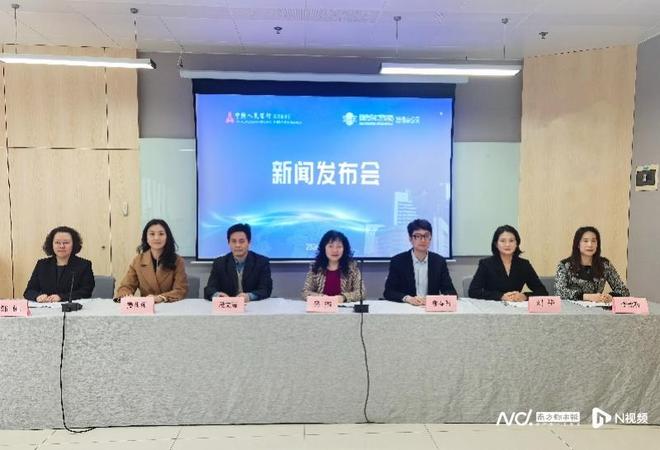
深圳最新发布:14.63万亿元!
Zhong Guo Ji Jin Bao· 2026-01-23 04:51
Core Insights - In 2025, Shenzhen's total deposits and loans reached 14.63 trillion yuan, maintaining the third position among major cities in China, with a year-on-year growth of 7.8% [1][2] Financial Performance - As of the end of 2025, Shenzhen's total deposits and loans stood at 14.63 trillion yuan, with deposits increasing by over 1 trillion yuan compared to the beginning of the year, and loans reaching 9.97 trillion yuan, up 5.1% year-on-year [2] - The social financing scale in Shenzhen saw a reasonable increase, with an annual increment exceeding 630 billion yuan, and direct financing accounting for about 40% of the total, a historical high [2] - The average interest rate for newly issued corporate loans in December 2025 was 2.55%, down 0.47 percentage points year-on-year [2] Loan Structure and Support for Economic Development - The loan structure in Shenzhen has been optimized to support high-quality economic development, with loans for technology, green, and digital economy industries increasing by 1.9, 3.3, and 1.4 percentage points respectively compared to the end of 2024 [3] - Loans to the private economy reached 4.35 trillion yuan, accounting for 43.7% of total loans, while inclusive small and micro loans amounted to 2.01 trillion yuan [3] Innovation in Financial Products - The issuance of technology bonds in Shenzhen reached 44.15 billion yuan, ranking second among cities in China, with technology loans totaling 2.28 trillion yuan by the end of 2025 [4] - New consumer loans related to service consumption and elderly care exceeded 80 billion yuan, with personal medium- and long-term non-housing consumption loans growing by 13.12% year-on-year [4] Inclusive and Green Finance - Inclusive finance in Shenzhen has effectively supported the vitality of the private economy, with over 2 trillion yuan in inclusive small and micro loans [5] - Shenzhen has become one of the first cities in China to conduct green external debt pilot programs, with three enterprises signing contracts exceeding 170 million yuan [5] Cross-Border Financial Activities - Shenzhen ranked third in the country for cross-border payment and receipt scale, with a total of 5.83 trillion yuan in cross-border RMB transactions [6][7] - The city has implemented high-level pilot policies to enhance cross-border trade and investment facilitation, benefiting over 1,900 enterprises [7] - By the end of 2025, Shenzhen's cross-border RMB receipts for goods trade reached 1.2352 trillion yuan, a year-on-year increase of 191.3 billion yuan, marking a new high since the business's inception in 2009 [7] Service Quality in Cross-Border Finance - Shenzhen has continuously optimized the quality and efficiency of cross-border financial services, launching initiatives to enhance communication between government, banks, and enterprises [8]
深圳最新发布:14.63万亿元!
中国基金报· 2026-01-23 04:44
Core Viewpoint - In 2025, Shenzhen's financial performance shows stable growth, with total deposits and loans ranking third among major cities in China, and the balance of various deposits in domestic and foreign currencies reaching 14.63 trillion yuan, a year-on-year increase of 7.8% [2][4]. Group 1: Financial Growth and Structure - As of the end of 2025, Shenzhen's total deposits and loans remain third among major cities in China, with a balance of various deposits at 14.63 trillion yuan, up 7.8% year-on-year, and an increase of over 1 trillion yuan compared to the beginning of the year [4]. - The balance of various loans in domestic and foreign currencies reached 9.97 trillion yuan, growing by 5.1% year-on-year, with an increase of 4.83 billion yuan compared to the beginning of the year [4]. - The social financing scale in Shenzhen maintained reasonable growth, with an annual increment exceeding 630 billion yuan, a year-on-year increase of over 150 billion yuan, and direct financing accounting for about 40% [4]. Group 2: Loan Structure and Support for Economic Development - The loan structure has been optimized to support high-quality economic development, with loans for technology, green, and digital economy industries increasing by 1.9, 3.3, and 1.4 percentage points respectively compared to the end of 2024 [5]. - The balance of loans for the private economy in Shenzhen reached 4.35 trillion yuan, accounting for 43.7% of total loans, while inclusive small and micro loans amounted to 2.01 trillion yuan [5]. - In 2025, loans in the "Five Major Areas" of finance became a significant driver of credit growth, with technology loans reaching 2.28 trillion yuan and consumer loans growing by 13.12% year-on-year [6][7]. Group 3: Cross-Border Financial Activities - Shenzhen ranked third in the country for cross-border payment and receipt scale, with a total of 5.83 trillion yuan in cross-border RMB transactions, maintaining its position as the primary currency for cross-border settlements between Shenzhen and Hong Kong [9]. - The total cross-border RMB receipts for goods trade reached 12.352 billion yuan in 2025, a year-on-year increase of 1.913 billion yuan, marking a new high since the business began in 2009 [10]. - The city has implemented high-level pilot policies to enhance cross-border trade and investment facilitation, benefiting over 1,900 enterprises and achieving a business scale exceeding 250 billion USD [9].

深圳市存贷款规模2025年末稳居全国主要城市第三,本外币各项贷款余额同比增5.1%
Sou Hu Cai Jing· 2026-01-23 03:13
Core Insights - Shenzhen's financial performance in 2025 shows significant growth in both deposits and loans, with total deposits reaching 14.63 trillion yuan, a year-on-year increase of 7.8%, and total loans at 9.97 trillion yuan, up 5.1% [1] - The social financing scale in Shenzhen maintained reasonable growth, with an increase of over 630 billion yuan, and direct financing accounting for about 40% of the total, marking a historical high [1][2] - The average interest rate for newly issued corporate loans in Shenzhen decreased to 2.55%, down 0.47 percentage points year-on-year, reflecting a downward trend in financing costs [2] Financial Growth and Support - The People's Bank of China and the State Administration of Foreign Exchange have guided financial institutions to focus on supporting key areas such as consumption and technological innovation, leading to a significant increase in loans for these sectors [3][4] - The balance of loans for technology, green, and digital economy industries increased by 1.9%, 3.3%, and 1.4 percentage points respectively compared to the previous year, indicating strong support for high-end, intelligent, and green production [2][3] Consumer and SME Financing - Personal medium- and long-term non-housing consumption loans grew by 13.12%, outpacing the overall loan growth rate by 8 percentage points, demonstrating robust consumer financing [4] - The balance of loans to the private economy reached 4.35 trillion yuan, accounting for 43.7% of total loans, with inclusive small and micro loans exceeding 2 trillion yuan, supporting the vitality of Shenzhen's private sector [5] Green Finance Initiatives - Shenzhen has initiated pilot programs for green finance, including green foreign debt, with three companies signing agreements totaling over 170 million yuan, promoting the development of green industries [6] - Banks issued carbon reduction loans totaling 2.72 billion yuan, supporting various green projects, including distributed photovoltaic and digital energy initiatives [6] Digital Finance Innovations - The balance of loans in the digital economy sector grew by 17.3%, significantly higher than the overall loan growth rate, indicating a strong push towards digital financial services [7] - Innovative financial products and services, such as cross-border credit and digital currency wallets, have been introduced to enhance financial service efficiency and support international trade [7][9] Cross-Border Financial Services - Shenzhen's cross-border payment volume reached 5.83 trillion yuan, maintaining its position as the leading city for cross-border RMB transactions [8] - The implementation of high-level pilot policies for cross-border trade and investment has expanded the coverage to over 1,900 enterprises, with a business scale exceeding 250 billion USD [8][9] Comprehensive Financial Service Improvements - The introduction of a new integrated currency pool has facilitated cross-border capital operations for multinational companies, supporting local economic development [9] - Efforts to enhance cross-border financial service efficiency have included reducing document review times from one day to one hour, significantly improving transaction processing [10]
从APEC高光时刻到压力测试,2025深圳金融八问
Nan Fang Du Shi Bao· 2026-01-12 06:45
Core Viewpoint - Shenzhen is positioning itself as a global industrial financial center, focusing on "production and finance symbiosis" to enhance industrial upgrades and financial empowerment [1][2]. Group 1: Financial Industry Performance - By the end of the first three quarters of 2025, Shenzhen's financial industry achieved an added value of 398.76 billion yuan, a year-on-year increase of 14.5%, accounting for approximately 14.3% of GDP [1]. - The total assets of the banking sector and the scale of deposits and loans rank third among major cities in China [1]. - Shenzhen has 424 A-share listed companies, ranking third in the country, with a total market value of 11.58 trillion yuan, second in the nation [1]. Group 2: Strategic Goals and Opportunities - The "15th Five-Year Plan" aims to create a globally influential industrial financial center, with a focus on deep integration with local industries [14]. - Shenzhen is expected to leverage the APEC summit to enhance its international financial competitiveness and attract more financial institutions to establish regional headquarters [4][5]. - The establishment of the AIC fund is seen as a significant step in nurturing "patient capital" to support hard technology sectors [20][22]. Group 3: Challenges and Regulatory Environment - Shenzhen's financial industry faces regulatory pressures, with a need for compliance and adaptation to international standards [7][30]. - In 2025, the financial regulatory authorities issued nearly 40 fines totaling approximately 130 million yuan, highlighting the need for improved compliance within the industry [31][32]. - The city is also focusing on building a more attractive talent ecosystem to meet the demands of international finance and compliance management [7]. Group 4: Development of New Financial Centers - The Xiangmi Lake New Financial Center is being developed to rival global financial hubs like London and Manhattan, with a focus on innovative financial services [9][10]. - The center is strategically located and aims to provide over 2 million square meters of industrial space, focusing on industrial finance, innovation capital, and wealth management [9][10]. - The development of the center is supported by Shenzhen's strong financial ecosystem, which includes a significant number of licensed financial institutions and a robust venture capital landscape [10][12]. Group 5: Integration of AI and Finance - Shenzhen is actively integrating AI into its financial services, with a focus on enhancing operational efficiency and customer experience [25][26]. - The city has identified AI as a key area for development, aiming for widespread application in financial services by 2027 [25][26]. - However, challenges such as risk management and data privacy need to be addressed to ensure the successful implementation of AI in finance [27].
深圳2025年存贷款规模居全国前三,债市科技板领跑全国
Nan Fang Du Shi Bao· 2026-01-09 14:57
Core Insights - The People's Bank of China and Shenzhen Foreign Exchange Bureau have outlined significant achievements in Shenzhen's financial sector for 2025, focusing on monetary policy implementation, financial reform, and support for technological innovation and green development [1] Group 1: Financial Metrics - By the end of 2025, Shenzhen's loan balance is projected to approach 10 trillion yuan, with deposits exceeding 14 trillion yuan, ranking third among Chinese cities [2] - The balance of technology loans is expected to reach 2.26 trillion yuan, while inclusive small and micro loans will be around 1.97 trillion yuan, both showing growth rates above the average for all loans [2] Group 2: Debt Market and Innovation - Shenzhen has led the nation in the issuance of technology bonds, with a total issuance of 441.5 billion yuan, ranking second among Chinese cities [3] - The city has introduced three service models that have collectively supported over 5,100 tech startups with loans exceeding 16 billion yuan [3] Group 3: Payment Services and Cross-Border Transactions - Shenzhen has enhanced payment services, resulting in a 30% year-on-year increase in inbound consumption, with 1.89 billion transactions totaling 26.4 billion yuan [4] - The city has pioneered a special work plan for RMB settlement in goods trade, achieving a total of 1.23 trillion yuan in cross-border RMB receipts, a year-on-year increase of 187.8 billion yuan, with the settlement ratio reaching 30.8% [5] Group 4: E-commerce and Trade Support - Cross-border e-commerce exports have reached 65.86 billion USD, helping 253,000 enterprises save over 580 million yuan in settlement fees [6] - The "micro trade loan" product has supported 9,070 foreign trade enterprises with a loan balance of 1.07 trillion yuan, with nearly 80% being small and micro enterprises [7] Group 5: Integrated Financial Services - The integrated currency pool for multinational companies has been upgraded to version 3.0, benefiting nearly 2,000 domestic and foreign enterprises, with a total business scale of 3.8 trillion USD [8] - The digital currency cross-border payment system has processed over 24.8 billion yuan, serving more than 2.8 million customers [9] Group 6: Green Finance Initiatives - Shenzhen has signed green foreign debt agreements totaling 170 million yuan and issued carbon reduction loans exceeding 20 billion yuan, expected to facilitate a carbon reduction of 4.2 million tons [11] Group 7: Tax Refunds and Public Awareness - The city processed 5.78 million personal income tax refunds amounting to 9.05 billion yuan, benefiting nearly 5.6 million individuals [12]
深圳:落地全国首批债市“科技板”,发行规模超400亿元
Bei Jing Shang Bao· 2026-01-09 13:02
Core Insights - The People's Bank of China and the State Administration of Foreign Exchange in Shenzhen have established a comprehensive technology finance service system that connects domestic and international markets [1] Group 1: Debt Market Innovations - Shenzhen has launched the first batch of technology bonds in the national debt market, achieving a total issuance of 44.15 billion yuan in 2025, ranking second among cities in China [1] - The city has introduced risk-sharing tools as part of its innovative debt market initiatives [1] Group 2: Financial Support for Startups - The "Tengfei Loan," "Technology Startup Pass," and "Tech Exchange" models have been promoted nationwide, enabling over 5,100 early-stage and growth-stage technology companies in Shenzhen to secure more than 16 billion yuan in loans [1] Group 3: Loan Support for Technological Innovation - A total of 611 billion yuan in loans has been issued to 2,843 technology companies and 122 technology transformation projects, positioning Shenzhen as the third city in China for such financial support [1]
2025年深圳人民银行、深圳外汇局十件大事,发布!
Jin Rong Jie· 2026-01-09 11:46
Group 1: Monetary Policy and Financial Support - The People's Bank of China in Shenzhen aims to implement a moderately loose monetary policy, targeting a credit structure with technology and inclusive loans each reaching 2 trillion yuan, and green and digital economy loans each reaching 1 trillion yuan by the end of 2025 [2] - Shenzhen's deposit balance is expected to exceed 14 trillion yuan and loan balance to approach 10 trillion yuan by 2025, maintaining the third-largest scale among cities in China [2] Group 2: Technology and Innovation Financing - Shenzhen has launched the first batch of a "Technology Board" in the bond market, with an issuance scale exceeding 40 billion yuan, and three financing models have been promoted nationwide, benefiting over 5,100 tech startups with loans exceeding 16 billion yuan [3] - A total of 441.5 billion yuan in tech innovation bonds is expected to be issued by non-financial enterprises in Shenzhen by 2025, ranking second among cities in China [3] Group 3: Cross-Border Payment and Trade - Shenzhen's cross-border RMB settlement for goods trade has reached 30%, with a total of 12,317 billion yuan in cross-border RMB receipts and payments, marking a significant increase since 2009 [5] - The city has supported over 25,000 enterprises in saving nearly 600 million yuan in settlement fees through cross-border e-commerce [6] Group 4: Digital Currency and Payment Innovations - The "Digital Currency Bridge" has facilitated cross-border payments exceeding 24.8 billion yuan, serving over 2.8 million people [9] - Shenzhen has launched the first cross-border payment service, with nearly 1 million transactions amounting to around 4 billion yuan by 2025 [10] Group 5: Green Financing Initiatives - Shenzhen has initiated the first pilot for green foreign debt, with over 400 billion yuan in loans supporting green development projects [11] - The city has issued carbon reduction loans totaling 200.46 billion yuan, expected to drive a carbon reduction of 4.2 million tons [11] Group 6: Tax Refund and Fraud Prevention - Efficient tax refund services are projected to benefit nearly 5.6 million people, with 578 million yuan in personal income tax refunds processed by 2025 [12] - The city has launched various anti-fraud initiatives targeting youth and elderly populations, including campus outreach and community services [12]
深圳去年末贷款余额近10万亿 存贷款稳居全国城市第三
2 1 Shi Ji Jing Ji Bao Dao· 2026-01-09 08:16
Group 1: Monetary Policy and Financial Support - The People's Bank of China and the State Administration of Foreign Exchange in Shenzhen aim to implement a moderately loose monetary policy, targeting a credit structure with technology and inclusive loans at 2 trillion each, and green and digital economy loans at 1 trillion each by the end of 2025 [1] - Shenzhen's deposit balance is expected to exceed 14 trillion yuan and loan balance to approach 10 trillion yuan by 2025, maintaining the third-largest scale among cities in China [1] - New loans for service consumption and elderly care in Guangdong province account for over 60% of the total [1] Group 2: Technology and Innovation Financing - Shenzhen has launched the first batch of technology boards in the bond market, with an issuance scale exceeding 40 billion yuan, and three financing models have been promoted nationwide [2] - Over 5,100 technology enterprises in their initial and growth stages have received more than 16 billion yuan in loans through the "Tengfei Loan," "Technology Startup Pass," and "Tech Exchange" models [2] - A total of 611 billion yuan in loans has been issued to 2,843 technology enterprises and 122 technology transformation projects, ranking third among cities in China [2] Group 3: Payment Services and Cross-Border Transactions - Shenzhen has established a comprehensive payment demonstration zone, enhancing inbound consumption by over 30% year-on-year [3] - The city has implemented a tax refund system that allows for refunds to domestic and international electronic wallets, resulting in a 199% increase in sales of tax refund goods [3] - Cross-border payment services have facilitated nearly 1 million transactions amounting to approximately 4 billion yuan, becoming a key method for residents and businesses in Shenzhen and Hong Kong [7] Group 4: Currency Settlement and Trade Facilitation - Shenzhen's cross-border RMB settlement for goods trade has reached 30%, with a total of 12.317 billion yuan in cross-border RMB receipts and payments, marking a significant increase since 2009 [4] - The number of trial banks for cross-border trade has expanded to seven, with transaction amounts increasing by 90% [4] - Financial support for foreign trade has saved over 600 million yuan in settlement fees for more than 250,000 enterprises [5] Group 5: Green Finance Initiatives - Shenzhen has initiated the first national pilot for green foreign debt, issuing over 40 billion yuan in loans to support green development projects [8] - Carbon reduction loans amounting to 200.46 billion yuan are expected to facilitate a reduction of 4.2 million tons of carbon emissions [8] - The climate investment and financing project loan balance is nearing 250 billion yuan, with new loans of 38.39 billion yuan issued in 2025 [8] Group 6: Tax Refund and Fraud Prevention - Efficient tax refund services have benefited nearly 5.6 million individuals, with a total of 90.5 billion yuan in personal tax refunds processed [10] - The introduction of online tax refund for personal postal items has reduced processing time by 3-5 working days [10] - Anti-fraud initiatives have been actively promoted in schools and communities, targeting youth and elderly populations [10]