
跨境金融

Search documents
丰泊国际CEO孙慧来:科技金融不看“后视镜”,只看“导航”
Sou Hu Cai Jing· 2026-02-27 05:46
Core Insights - FundPark, founded in 2016, leverages smart technology to provide operational funding solutions for cross-border e-commerce SMEs, having issued over $7 billion in loans and served over 33,000 merchants, facilitating a total GMV exceeding $14.7 billion [1][15] - The company received a $250 million asset-backed securitization project from Goldman Sachs in 2022, marking Goldman’s first investment in the global e-commerce finance sector, which was later increased to $500 million [1][11] - FundPark's total funding pool is nearing $1 billion, making its ABS project the largest in Asia's cross-border finance industry [1][13] Company Background - The inception of FundPark can be traced back to a rejected loan of HKD 2 million, which motivated the founders to create a new financial mechanism for SMEs [2][6] - The founders, including Sun Huilai, transitioned from traditional banking roles to establish FundPark, aiming to address the financing challenges faced by SMEs in the cross-border e-commerce sector [7][10] Business Model and Strategy - FundPark focuses on providing financing solutions based on real-time data rather than traditional financial statements, addressing the unique needs of SMEs in the cross-border e-commerce space [10][11] - The company has shifted from a single funding provider to a multi-dimensional strategic growth partner, introducing a "Scale Up as a Service" model that integrates AI-driven dynamic financing and proactive insights [15] Market Context - The global e-commerce retail market is projected to exceed $6 trillion by 2025, with cross-border e-commerce experiencing significant growth and a funding gap exceeding $2 trillion [16] - FundPark aims to expand internationally, catering to local clients in regions such as Europe and Southeast Asia while maintaining its core mission of empowering the e-commerce industry [16][17]
东盟门户·湾区腹地—2026广西(香港)推介会在香港举行 陈刚李家超出席并致辞
Guang Xi Ri Bao· 2026-02-27 01:52
Group 1 - The event "2026 Guangxi (Hong Kong) Promotion Conference" was held in Hong Kong, focusing on friendship and cooperation between Guangxi and Hong Kong [1] - Key leaders, including Chen Gang and John Lee, attended the event and witnessed the signing of various agreements [1][4] - The conference highlighted Guangxi's strategic positioning as a key player in the Belt and Road Initiative and its role in connecting with ASEAN countries [2][3] Group 2 - Chen Gang emphasized Guangxi's commitment to high-quality development and the importance of AI collaboration with ASEAN nations [2] - The conference included the signing of 24 projects related to artificial intelligence, cross-border finance, and economic investment [4] - Hong Kong's unique advantages as a core city in the Greater Bay Area and its role in facilitating Guangxi's international outreach were underscored [3]
聚焦打造引领区 迈出新步伐 陈吉宁参加浦东新区代表团审议 与代表热议“十五五”发展
Jie Fang Ri Bao· 2026-02-04 02:02
Group 1: Economic Development and Goals - Pudong is projected to achieve a GDP of 1.88 trillion yuan by 2025, accounting for approximately one-third of Shanghai's total GDP, serving as a growth stabilizer and innovation engine for the city [2] - The goal for Pudong is to maintain a GDP growth rate of over 5% this year, focusing on key technology breakthroughs, future industry layout, and optimizing enterprise support services [2][3] - The construction of the "Five Centers" is a significant mission assigned to Shanghai by the central government, with Pudong playing a crucial role in this initiative [2][3] Group 2: Technological Innovation and Industry - The construction of an international technology innovation center is a key mission for Shanghai, with technology innovation becoming a powerful driver for high-quality development [4] - Zhangjiang Science City is identified as the core area for Shanghai's international technology innovation center, currently hosting nearly 500 AI companies [5] - The integration of technology and industry is becoming increasingly close, with significant explorations in various fields expected to drive future industrial growth [6] Group 3: Public Services and Quality of Life - There is a growing expectation among Pudong residents for high-quality living standards, with a focus on improving public services such as education and healthcare [8][9] - The demand for integrated elderly care services is increasing due to the aging population, with suggestions for policies to convert existing urban properties into community-based elderly care facilities [8] - The implementation of a no-accompaniment care pilot program has improved patient experiences and healthcare quality, with recommendations for further innovations in payment mechanisms and caregiver training [9] Group 4: Urban Governance and Safety - The government aims to enhance urban governance efficiency and improve the safety resilience of the mega-city [10] - The establishment of property management committees and the involvement of party organizations in property governance have shown positive results, but challenges remain in managing complex urban environments [11] - Recommendations include strengthening local responsibilities for safety management in high-rise buildings and promoting community involvement in safety measures [12]
地方两会|海南省政协委员李世杰:把握海南全岛封关机遇,金融机构提供“账户+结算+融资”一体化服务
Zhong Guo Jing Ying Bao· 2026-02-03 15:03
Core Viewpoint - The official launch of the Hainan Free Trade Port marks a significant milestone in China's opening-up strategy, focusing on cross-border financial opportunities through a policy framework that emphasizes "one line open, one line controlled, and free movement within the island" [1] Group 1: Cross-Border Financial Opportunities - Cross-border funds can achieve efficient and free movement, with the EF account system allowing for direct transfers across the first line without restrictions on foreign exchange quotas and approvals, positioning Hainan as a regional financial management center [2] - The expansion of cross-border trade finance will enable new offshore international trade and cross-border e-commerce, meeting financial needs in settlement, exchange, and financing [2] - The development of cross-border investment and asset management will be supported by pilot programs for cross-border fund operations and asset management, attracting foreign capital for RMB asset allocation and enriching the supply of cross-border wealth management and offshore debt products [2] Group 2: Supporting Policies - The core policy for financial openness, the "Management Measures for Multi-functional Free Trade Accounts in Hainan Free Trade Port," will be implemented with the EF account officially launching in May 2024, allowing free transfers across the first line and managing the second line with a negative list and quota system [3] - The "Implementation Rules for Cross-Border Asset Management Pilot Business in Hainan Free Trade Port" will be released by July 21, 2025, with an initial pilot scale cap of 10 billion RMB, allowing foreign investors to purchase various asset management products issued by financial institutions in Hainan [3] - Previous pilot programs such as QFLP and QDLP have been initiated to broaden channels for foreign investors to participate in RMB asset allocation [3] Group 3: Financial Institutions' Innovations - Financial institutions are encouraged to leverage the policy window by innovating in accounts, products, and risk control, focusing on integrated services that support offshore debt issuance and new offshore trade settlements [4] - Innovations in product services should include developing a one-stop platform for cross-border e-commerce financial services and exploring new investment products like cross-border acquisition loans and cross-border bill financing [4] - Institutions should also expand cross-border wealth management and insurance services, as well as develop innovative financial services for elderly care and inclusive finance [4]
海南将加强立法 完善与高水平自贸港相适应的政策制度体系
Zhong Guo Xin Wen Wang· 2026-01-29 07:33
Core Viewpoint - Hainan Province is focusing on legislative efforts to enhance the policy and institutional framework for its Free Trade Port, with significant developments expected by 2026, the first year of full operation after the island's closure [1][2]. Legislative Developments - The Hainan Provincial People's Congress will prioritize legislation that supports the Free Trade Port, including regulations on cross-border finance, low-altitude economy, and urban renewal [1]. - New regulations will be introduced to improve port management and facilitate customs processes, including a trial regulation for port management services and credit management for "second-line ports" [2]. Economic and Industry Initiatives - Hainan is modifying its marine usage management laws to promote marine development while protecting ecological boundaries, focusing on the acquisition and regulation of marine usage rights [3]. - The province is advancing its tourism sector by establishing a tourism regulation that aligns national support policies with local laws, easing foreign investment in tourism [3]. - New regulations are being implemented to support the modern service industry, including tax-related services and logistics, aimed at reducing costs and enhancing efficiency [3]. - Hainan is also promoting the development of the private economy by addressing operational challenges faced by private enterprises and fostering a fair competitive environment [3].
再创新高 突破6300亿元
Xin Lang Cai Jing· 2026-01-19 22:17
Core Insights - The total amount of cross-border RMB payments in Tianjin is expected to exceed 630 billion yuan by 2025, marking a 17% year-on-year increase and setting a historical record [1] - This growth has been supported by a collaborative effort among multiple government departments and the establishment of a special task force to enhance service efficiency for enterprises [1] Group 1: Cross-Border RMB Payment Growth - The cross-border RMB payment volume for goods trade in Tianjin is projected to grow by 24% year-on-year by 2025, with RMB transactions accounting for over 30% of total foreign and domestic currency settlements [1] - The cross-border RMB business related to new foreign trade formats in Tianjin is expected to achieve a rapid growth rate of 110% by 2025 [1] - The issuance of "Panda Bonds" by foreign enterprises in Tianjin is anticipated to reach 6.8 billion yuan, reflecting a 130% year-on-year increase [1] Group 2: Financial Innovation and Support - The People's Bank of China Tianjin Branch is guiding financial institutions to leverage RMB financing advantages, creating customized cross-border usage "roadmaps" for enterprises [1] - The cross-border RMB business in financing leasing is projected to grow by 78% year-on-year by 2025 [1] - The expansion of cross-border RMB convenience policies has led to a significant increase in the number of recognized quality enterprises from over 1,600 to 9,000 [2] Group 3: Regional Collaboration - The cross-border RMB convenience policy has evolved from mutual recognition among the Beijing-Tianjin-Hebei region to a broader alliance involving 16 regions nationwide [2] - Enterprises included in the mutual recognition list can complete related business operations with minimal requirements, enhancing efficiency and convenience [2] - Tianjin has cumulatively processed over 540 billion yuan in cross-border RMB convenience transactions [2]
探索开展人民币外汇期货交易试点,稳步有序发展期货和衍生品市场……上海“十五五”规划建议最新部署!
Qi Huo Ri Bao· 2026-01-19 00:03
Group 1 - The core viewpoint of the Shanghai "14th Five-Year" planning proposal emphasizes the acceleration of building "five centers" to enhance the city's capabilities and competitiveness, with a focus on futures and derivatives [1] - The proposal aims to strengthen Shanghai's position as an international financial center by establishing a global RMB asset allocation center and risk management center, expanding cross-border and offshore financial services, and promoting RMB internationalization [1][2] - It highlights the need for a robust financial market system, promoting direct financing, enhancing capital market functions, and developing a multi-tiered equity market while also focusing on the orderly development of futures and derivatives markets [2] Group 2 - The proposal includes plans to enhance the international trade center by strengthening the resource allocation function of bulk commodities and supporting the establishment of a national bulk commodity warehouse registration center [2] - In the context of building a global leading international shipping center, the proposal emphasizes the development of modern shipping services and the establishment of a world-class shipping exchange [3] - It supports the expansion of shipping financial services, including insurance and financing leasing for ships and aircraft, while also promoting the use of RMB for shipping freight settlements [3]
成效初显 海南自贸港封关运作将迎“满月”
Qi Huo Ri Bao Wang· 2026-01-16 02:09
Core Insights - The establishment of Hainan Free Trade Port marks a significant step in China's institutional opening, characterized by "zero tariffs, low tax rates, and simplified tax systems" [1][2] - Hainan Free Trade Port serves as a strategic response to global trade adjustments and protectionism, aiming to create a new framework for international trade rules [2] - The operational success of Hainan Free Trade Port provides a practical model for institutional opening, showcasing resilience and vitality in China's economic landscape [3] Trade and Economic Impact - Since the closure on December 18, 2025, Hainan Free Trade Port has seen a total import and export value of 21.42 billion yuan, a year-on-year increase of 19.6%, with exports rising by 31.6% and imports by 13.3% [4] - The number of newly registered foreign trade enterprises reached 4,709 within 24 days, surpassing the total for the first quarter of 2024, indicating a strong trade creation effect [4] - Customs efficiency improvements have significantly reduced costs, with import clearance times cut by 54% and compliance costs down by 31% [4] Industry Empowerment - The "zero tariff" policy has reduced procurement costs for enterprises by 5% to 15%, enhancing the competitive edge in the commodity trade sector [5] - The establishment of a preliminary "import-processing-domestic sales/export" industrial chain is evident, with significant growth in sectors like modern services and high-end manufacturing [5][8] - The transportation network has expanded, with 92 international and regional passenger routes, improving logistics and reducing costs by 15% to 20% [6] Future Prospects - Hainan Free Trade Port is expected to strengthen its position as a trade hub in the Asia-Pacific region, attracting multinational companies and enhancing the entire supply chain ecosystem [7] - The port's policies are anticipated to drive the transition towards high-quality, diversified, and green industrial development, particularly in advanced manufacturing and modern services [8] - The collaborative model with the Guangdong-Hong Kong-Macao Greater Bay Area is set to enhance cross-border trade and financial cooperation, contributing to a national open linkage framework [9] Social and Economic Benefits - The benefits of Hainan Free Trade Port are projected to improve local livelihoods, with increased employment opportunities and enhanced public services [9][10] - The "zero tariff" policy will allow residents to purchase imported goods at lower costs, improving living standards [9] - The commitment to ecological and industrial synergy aims to create a sustainable environment while promoting economic growth [10]
三年为企减税超21亿!广州南沙三大国家级政策红利加速转化
Sou Hu Cai Jing· 2026-01-12 08:59
Core Insights - The Guangzhou Nansha District is experiencing significant policy effects from the "Nansha Plan," particularly in tax incentives, market access, and financial openness, with key indicators showing accelerated development outcomes [2][3] Tax Incentives - Since the implementation of three regional tax incentive policies in 2022, by the end of November 2025, 60 enterprises in Nansha have benefited from a 15% corporate income tax reduction, resulting in a total tax relief exceeding 2.1 billion yuan [2] - Personal income tax reductions for Hong Kong and Macau residents have reached 150 million yuan, with an average tax burden decrease of over 50% [2] - The Qicheng Hub area has become a popular location for Hong Kong and Macau enterprises, with over 210 registered and settled companies in the Yuexiu iPARK Guangdong-Hong Kong Smart Valley [2] Market Access - The "Nansha Opinions" issued by three national ministries in 2023 have facilitated institutional openings in sectors such as biomedicine and intelligent unmanned systems [3] - Nansha has achieved several national firsts in clinical applications related to cell and gene therapy, including treatments for thalassemia and liver failure [2] - Over 40 well-known enterprises in the cell and gene field have gathered in the district, with multiple stem cell treatment projects entering clinical application stages [2] Financial Openness - The "Nansha Financial 30 Measures" released in May 2025 support the establishment of a cross-border financial hub, leading to significant financial innovations [3] - Nansha successfully executed Guangdong's first foreign currency direct borrowing for a financial leasing company and expanded the foreign debt quota for a subsidiary to nearly 2.5 billion yuan [3] - The Free Trade Account (FT Account) system has opened over 9,700 accounts, with cross-border settlement volume reaching 4.92 trillion yuan, significantly reducing the time for capital settlement for Hong Kong-funded enterprises by over 50% [3] Policy Synergy - The interlinking of tax incentives, relaxed market access, and financial openness has created a comprehensive support system covering industrial incentives, institutional innovation, and financial backing [3] - Nansha aims to continue promoting policy implementation and deepen the integration of Guangdong-Hong Kong-Macau regulations to build a global cooperation platform [3]

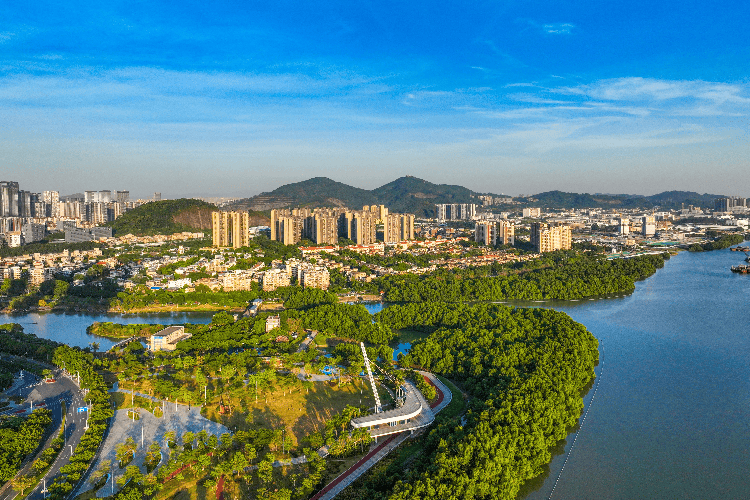
广州南沙三大国家级政策红利加速全面释放
Zhong Guo Jing Ji Wang· 2026-01-12 06:16
Core Insights - The "Nansha Plan" has successfully achieved its first phase goals by 2025, positioning Nansha as a significant national strategic platform that integrates the Greater Bay Area, collaborates with Hong Kong and Macau, and engages with the global market [1] Tax Incentives and Economic Growth - Since the implementation of three regional tax incentives under the "Nansha Plan" in 2022, a total of 2.1 billion yuan has been saved in tax reductions for enterprises, and 150 million yuan in personal income tax has been waived for Hong Kong and Macau residents, resulting in an average tax burden reduction of over 50% [1] - Guangzhou Jiesen Entertainment Development Co., Ltd. reported a sixfold increase in sales revenue in 2024, attributed to the supportive policies of the "Nansha Plan" [2] - The Qingsheng Hub area, a pilot zone in Nansha, has seen a fivefold increase in the number of Hong Kong and Macau enterprises over three years, with over 210 registered and settled companies [2] Healthcare and Innovation - The "Nansha Opinions" have initiated institutional reforms in the fields of biomedicine and intelligent unmanned systems, allowing for clinical applications of restricted cell transplantation technologies [3] - Nansha has achieved significant breakthroughs in cell and gene therapy, including the first clinical application of Mediterranean anemia treatment and the first allogeneic stem cell treatment for liver failure [3] - By June 2025, 38 patients with Mediterranean anemia had successfully been discharged after treatment in Nansha, demonstrating accelerated clinical application [3] Financial Support and Cross-Border Financing - The "Nansha Financial 30 Measures" aim to enhance cross-border financing efficiency, addressing traditional challenges such as lengthy approval processes and strict capital controls [3] - The first foreign currency direct loan for a financial leasing company in Guangdong Province was successfully executed, along with an expanded foreign debt quota for a subsidiary of China Southern Airlines International Financing Leasing [3] Climate Financing and Sustainable Development - Nansha has been recognized for three consecutive years as the best in institutional innovation within Guangdong Free Trade Zone and has developed the first set of local standards for climate financing cooperation among Guangzhou, Hong Kong, and Macau [4] - Innovative financial products such as the first "climate financing guarantee" loan and the first "climate financing + rural revitalization" sustainable development-linked loan have been introduced [4] - Nansha aims to create a high-quality development loop through the integration of industrial incentives, institutional innovation, and financial support, establishing itself as an ideal location for investment and innovation [4]