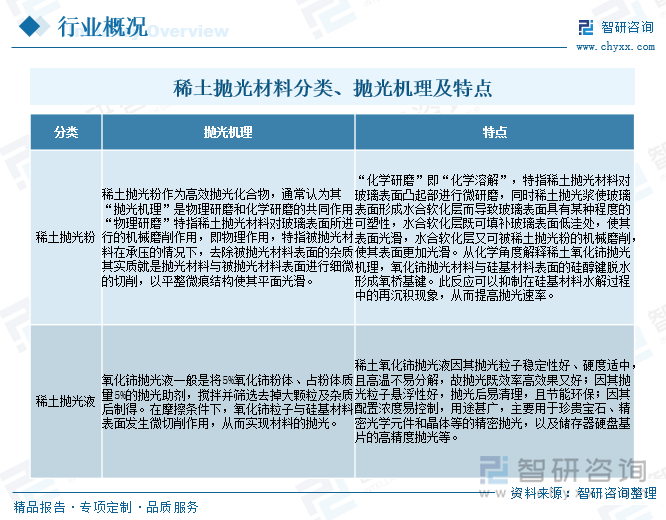
稀土抛光粉

Search documents
台积电认怂了!董事长魏哲家称,台积电稀土告急,求大陆放手?一个据称来自台积电董事长魏哲家的求助信号,让整个半导体圈都竖起了耳朵,表面上看,这只是一句“稀土告急”,希望大陆能伸出援手。但懂的人都明白,这背后水深着呢。这根本不是什么简单的原材料短缺,而是全球科技权力天平的一次剧烈晃动,...
Sou Hu Cai Jing· 2025-11-15 02:16
Core Insights - TSMC's chairman, Wei Zhejia, has signaled a critical shortage of rare earth materials, indicating a plea for assistance from mainland China, which reflects deeper geopolitical tensions in the semiconductor industry [1][3] - China's dominance in rare earth processing and technology creates a significant leverage point in the global semiconductor supply chain, with 92.3% of global refining capacity and 60% of core patents held by China [1][2] - The reliance on rare earth materials, particularly neodymium-iron-boron magnets used in advanced EUV lithography machines, poses a substantial risk to TSMC's production capabilities, especially as the demand for advanced chips increases [2][3] Industry Analysis - The U.S. has struggled to achieve rare earth independence, with 90% of materials from the Mountain Pass mine still needing to be processed in China, highlighting the inefficiencies and high costs of domestic production [2] - TSMC's advanced manufacturing processes are increasingly vulnerable, as the consumption of rare earth materials in 5nm chips is three times that of 14nm chips, making supply chain disruptions particularly damaging [2][3] - The geopolitical landscape is shifting, with TSMC being forced to relocate advanced manufacturing to the U.S., despite higher costs, indicating a loss of operational autonomy and a response to external pressures [3][4] Strategic Implications - The rare earth crisis underscores a new paradigm in technology leadership, where control over upstream supply chains is as critical as technological prowess [4] - TSMC's predicament reflects broader challenges faced by global companies navigating geopolitical tensions, emphasizing the need for robust supply chain strategies [4]



2025年中国稀土抛光材料行业市场政策、产业链、发展现状、竞争格局及发展趋势研判:北方稀土、凯盛科技龙头优势明显[图]
Chan Ye Xin Xi Wang· 2025-04-30 01:40
Core Viewpoint - The rare earth polishing materials market in China is experiencing a decline in demand due to macroeconomic slowdown and saturation in the mobile phone market, with projected demand dropping to 37,100 tons and market size to 768 million yuan in 2024, where polishing powder accounts for approximately 80.73% and polishing liquid for 19.27% [1][14]. Market Policy - The Chinese government has issued several policies to support the development of the rare earth polishing materials industry, including initiatives for technological innovation and industry upgrades, positioning rare earth functional materials as a key area for development [5][7]. Industry Chain - The industry chain for rare earth polishing materials includes upstream activities such as rare earth mining and refining, midstream production of polishing materials, and downstream applications in sectors like mobile phone covers, precision optics, and semiconductors [8][10][12]. Current Development - The demand for rare earth polishing materials has surged in recent years due to the rapid growth of downstream markets, but recent trends indicate a decline in demand, with 2024 projections showing a decrease in both volume and market size [1][14]. Competitive Landscape - The industry is characterized by a polarized market structure, with leading companies like Northern Rare Earth and Kaisheng Technology dominating the high-end market through technological advancements, while many smaller firms compete primarily on price [16][18]. Industry Representative Analysis - Northern Rare Earth Group Co., Ltd. reported a total revenue of 12.99 billion yuan in the first half of 2024, with a significant portion coming from functional materials [18]. - Kaisheng Technology Co., Ltd. achieved a total revenue of 4.894 billion yuan in 2024, with a gross profit margin of 16.97% [20]. Development Trends - Future trends indicate a focus on developing high-performance rare earth polishing powders, including environmentally friendly options, to meet the increasing demands of high-precision processing in electronics and optics [23].