
华龙一号

Search documents
政策护航核电可持续发展,核能出海有望提速
KAIYUAN SECURITIES· 2026-03-27 09:13
Core Insights - The report maintains a positive investment rating for the power industry, highlighting the potential for growth in nuclear energy and related technologies as China joins the "Triple Nuclear Energy Declaration" aimed at tripling global nuclear capacity by 2050 [1][23][29] Group 1: Nuclear Energy Development - China has announced its commitment to the "Triple Nuclear Energy Declaration," which aims to increase global nuclear capacity to at least three times the level of 2020 by 2050, with 38 countries currently signed on [23][24] - The report outlines the historical context of nuclear energy development, noting that from 1970 to 1990, global nuclear capacity grew from 18.1 GW to 364.2 GW, while from 2010 to 2025, China's nuclear capacity increased from 11.1 GW to 60.7 GW, reflecting a compound annual growth rate of 12.0% [28][29] - The report emphasizes the importance of nuclear power as a stable energy source in the transition to a new power system, particularly as renewable energy sources increase their share in the energy mix [41][42] Group 2: Technological Advancements - China's third-generation nuclear technologies, including the Hualong One and Guohe One, are being promoted for mass production, with significant advancements in safety and efficiency [29][32] - The report highlights the ongoing development of fourth-generation nuclear technologies, which focus on sustainability and safety, with several projects expected to come online in the coming years [15][36] - The report notes that the HTR-PM high-temperature gas-cooled reactor has successfully begun commercial operation, marking a significant milestone in fourth-generation technology [36][39] Group 3: Policy Support and Market Dynamics - The report discusses the introduction of supportive pricing policies for nuclear power in various provinces, which are expected to alleviate uncertainties in market pricing and enhance profitability for operators [4][5] - It is projected that the demand for nuclear power equipment will continue to grow, with a stable approval pace for new nuclear projects expected to maintain order and delivery certainty [4][5] - The report identifies key beneficiaries in the nuclear sector, including operators like China National Nuclear Corporation and China General Nuclear Power Group, as well as equipment manufacturers such as Shanghai Electric and Dongfang Electric [5][41]


中国加入《三倍核能宣言》,全球核能加速复兴,看好中国核工业的成长性
China Post Securities· 2026-03-17 12:59
Investment Rating - The industry investment rating is "Outperform the Market" and is maintained [1] Core Insights - The report highlights the growth potential of the nuclear industry in China, especially following China's announcement to join the "Triple Nuclear Declaration" at the second Nuclear Energy Summit in Paris on March 10, 2026. This declaration aims for a global nuclear power capacity of 1200 GW by 2050, which is three times the capacity in 2020. The number of signatory countries has expanded to 38, indicating a strong global revival of nuclear energy [4][5] - The report emphasizes the strategic importance of advanced reactor technologies, particularly high-temperature gas-cooled reactors, and suggests that companies like Shanghai Electric, Dongfang Electric, Harbin Electric, and Zhejiang Fu Holdings are key players to watch in this sector [5] Industry Overview - The closing index for the industry is 11569.47, with a 52-week high of 11731.28 and a low of 6107.84 [1]
欧洲承认犯了重大错误,中国机会来了?
虎嗅APP· 2026-03-14 13:37
Core Viewpoint - The article discusses the significant shift in global nuclear energy dynamics, highlighting China's growing role as a nuclear power exporter and the strategic errors made by Europe in reducing its reliance on nuclear energy [4][8]. Group 1: Global Nuclear Energy Landscape - China announced its commitment to the "Triple Nuclear Energy Declaration" at the second nuclear energy summit in Paris, aiming to triple global nuclear power capacity by 2050 compared to 2020 levels [4]. - European leaders, including Ursula von der Leyen and German Chancellor Merz, acknowledged the strategic error of reducing nuclear energy reliance, indicating a dramatic shift in Europe's energy policy [8][9]. - Over the past decade, Europe, particularly Germany, has moved from a strong anti-nuclear stance to recognizing the importance of nuclear energy, while China has advanced its nuclear technology and expanded its export capabilities [10][11]. Group 2: China's Nuclear Export Strategy - China has become a significant player in the global nuclear market, with a focus on exporting its "Hualong One" technology, exemplified by projects in Pakistan and other countries [15][36]. - The total contract value for the Karachi K-2 and K-3 projects in Pakistan is approximately $9.6 billion, marking one of China's highest-value exports [15]. - China's nuclear power capacity reached 113 million kilowatts by the end of 2024, positioning it among the top nuclear power countries globally [33][34]. Group 3: Competitive Landscape in Nuclear Energy - The nuclear export market is characterized by major players like Russia, France, and the U.S., each with distinct strategies and competitive advantages [23][24]. - Russia's Rosatom offers a comprehensive service model, including financing options that appeal to countries seeking to develop their nuclear capabilities [24]. - France maintains a strong nuclear industry with advanced technology, but faces challenges related to project management and cost overruns [28]. Group 4: Future Prospects and Challenges - China's nuclear exports are supported by a combination of competitive pricing, financing options, and the ability to provide integrated energy solutions, including desalination and hydrogen production [39][40]. - The article suggests that while China's nuclear power stations are currently competitively priced, there is potential for higher pricing as new technologies and standards are developed [47]. - The global demand for nuclear energy is expected to rise, driven by the need for clean energy solutions and the push for energy independence in developing countries [48][51].

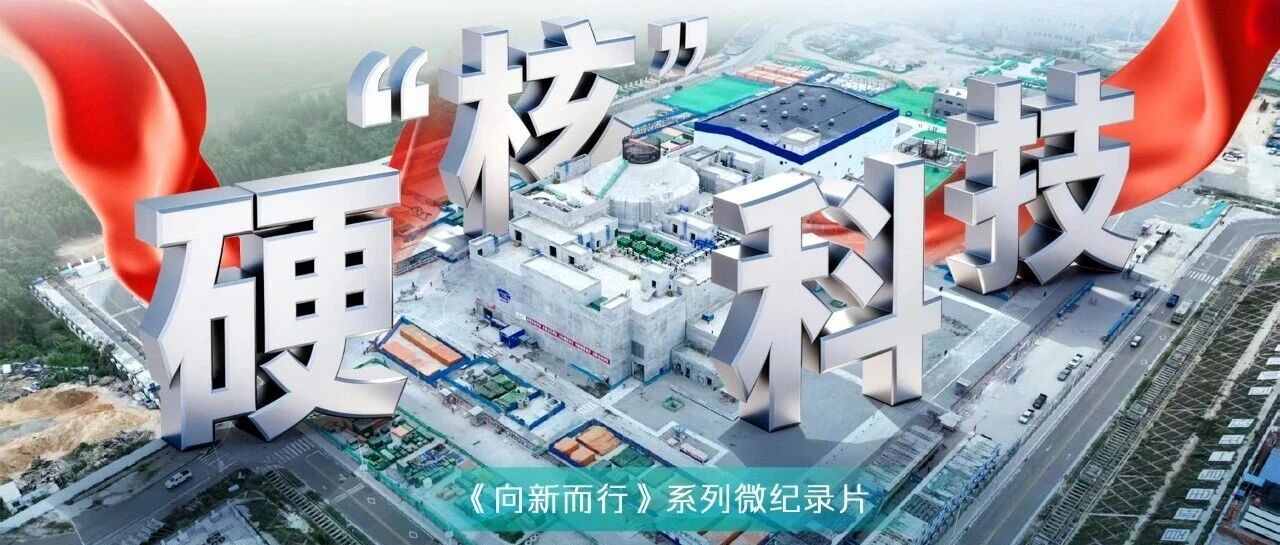
向新而行︱硬“核”科技 核能领域“移动充电宝”!“玲龙一号”有多强?
国家能源局· 2026-03-09 08:42
Core Viewpoint - The article emphasizes the importance of energy transformation as a strategic precursor to productivity advancement, highlighting the development of nuclear energy technology as a new growth point for industrial upgrading in China [2]. Group 1: "Linglong No. 1" Overview - "Linglong No. 1" is the world's first land-based commercial modular small reactor that has passed safety review by the International Atomic Energy Agency, showcasing China's significant achievement in nuclear power innovation [4][17]. - The reactor is compact, with its nuclear island area being only one-third of that of the larger "Hualong No. 1" reactor, demonstrating its small and efficient design [4]. Group 2: Technical Features - "Linglong No. 1" utilizes a domestically designed main pump and an integrated pressure vessel, eliminating the complex piping systems found in traditional large reactors, thus enhancing its compactness and efficiency [5]. - The reactor is expected to generate an annual electricity output of 1 billion kilowatt-hours, sufficient to meet the electricity needs of 526,000 households in Hainan [7]. Group 3: Environmental Impact - The reactor is characterized by low emissions and high efficiency, making it a valuable source of clean energy [8]. - Once operational, "Linglong No. 1" is projected to reduce carbon dioxide emissions by 880,000 tons annually, equivalent to planting 7.5 million trees [9]. Group 4: Safety Measures - The construction and operation of nuclear power plants in China adhere to the principles of green development and ecological priority, ensuring environmental protection [11]. - "Linglong No. 1" incorporates multiple safety measures, including internal safeguards against nuclear leakage and external environmental monitoring stations [15][16]. Group 5: Future Prospects - Following its commissioning, "Linglong No. 1" is expected to serve not only as a power generation facility but also as a multi-purpose energy platform for urban heating, seawater desalination, industrial gas supply, and oil extraction [18]. - The development of nuclear power is seen as essential for optimizing China's energy structure, alleviating environmental pollution, and ensuring energy security, thus fostering new productive forces [18].
代表委员声音 | 能源转型的“新路径”究竟怎么走?
国家能源局· 2026-03-06 09:45
Core Viewpoint - The article summarizes various suggestions and opinions from representatives and committee members during the 2026 National Two Sessions regarding the energy sector, covering areas such as the power grid, coal, natural gas, photovoltaics, nuclear energy, and hydrogen energy. Power Grid - The power grid plays a crucial role in resource optimization and supporting energy transition, serving as a "lifeline" for high-quality economic and social development [3] - The safety of the power grid is fundamental for building a strong energy nation, with significant improvements in resilience during the 14th Five-Year Plan period [3] - The 15th Five-Year Plan period presents new challenges for grid safety, necessitating innovation in technology and management to enhance the grid's protective capabilities [3] Coal - The coal industry is at a critical juncture for high-quality development during the 15th Five-Year Plan, with coal consumption expected to peak in the mid to late period [7] - The industry will focus on intelligent and green development, with large coal mines achieving full automation and a significant reduction in carbon emissions [7] - Coal's role is shifting from a primary energy source to a supportive one, emphasizing its importance in energy security and the development of coal-based new materials [8] Natural Gas - The integration of natural gas and hydrogen energy is essential for industry transformation, with recommendations for establishing safety standards and pricing mechanisms for hydrogen blending [11] - A modern biogas industry system should be developed, with support for biogas projects and a national certification platform for emissions reduction [12] - The gas-electricity pricing mechanism needs improvement to reflect the higher adjustment value of gas power in the new power system [12] Photovoltaics - High standards are necessary to address "involution" in the photovoltaic industry, with measures to enhance safety, reliability, and efficiency [14] - A green electricity consumption system should be established to promote the application of renewable energy and stabilize the domestic photovoltaic market [15] - Rural photovoltaic development requires infrastructure upgrades and financial products to ensure stable returns for farmers and investors [17] Nuclear Energy - The export of nuclear technology, particularly the "Hualong One" reactor, has gained international recognition, with plans to enhance competitiveness in global markets [20] - A three-step strategy for nuclear power development focuses on maintaining a steady approval pace for mainstream reactor types and advancing research on advanced reactors [21] - Nuclear energy should be integrated into green certificate trading systems to reflect its zero-carbon value and support energy structure optimization [23] Hydrogen Energy - A national hydrogen energy infrastructure plan is needed to facilitate large-scale development, including a comprehensive hydrogen pipeline network [25] - The coupling of electricity and hydrogen should be prioritized, with policies to support green hydrogen projects and their integration into the power market [26] - The establishment of a unified green hydrogen certification and traceability system is crucial for promoting market transactions and ensuring fair returns on investments [29]
全国政协委员辛锋:呼吁国家出台核电“走出去”相关政策
中国能源报· 2026-03-05 11:28
Core Viewpoint - The article emphasizes the importance of nuclear power "going global" and the need for supportive national policies to enhance the competitiveness of China's nuclear technology exports, particularly the "Hualong One" reactor design [2]. Group 1: Nuclear Power Export - The company has successfully exported 7 nuclear power units and 7 research reactors, contributing significantly to the energy security of the importing countries and receiving high recognition for its nuclear technology [2]. - Future plans include increasing the export of "Hualong One" technology and opening 12 nuclear research facilities for international collaboration by 2024 [2]. Group 2: Technological Innovation - The company has committed to an average R&D investment intensity exceeding 9% during the 14th Five-Year Plan period, with a peak of 9.8% in 2025, and over 18% of this investment will focus on basic research [3]. - Key technological development directions include focusing on core responsibilities, addressing weaknesses in the entire industry chain, and establishing high-energy research platforms for effective collaboration [3]. Group 3: Uranium Resource Security - The company aims to enhance natural uranium resource security and nuclear fuel processing capabilities, emphasizing the need for increased exploration in under-researched areas and deeper regions [4]. - A significant project, "Guo Uranium One," has been completed, establishing a thousand-ton capacity base, with plans to initiate more major capacity projects in uranium-rich areas [4]. Group 4: Nuclear Fuel Processing Capability - The company is the only domestic entity with a full nuclear industry chain capability, recognizing its responsibility in ensuring stable domestic nuclear fuel supply [5]. - The company has been proactive in capacity construction to meet nuclear power development needs and enhance nuclear fuel processing capabilities [5].
全国政协委员卢铁忠:“以核带新、核新耦合”高度契合国家战略
中国能源报· 2026-03-05 08:35
Core Viewpoint - The article discusses the development strategy of China National Nuclear Corporation (CNNC) focusing on the integration of nuclear energy with renewable sources, particularly in the context of the "wind-solar-water-nuclear" energy base construction and the synergy between the nuclear and computing industries [2]. Group 1: Energy Development Strategy - CNNC's energy development approach emphasizes the coupling of nuclear energy with new energy sources, aligning with national strategies to accelerate the establishment of a new energy system that includes multiple energy sources [2]. - Recent projects include the 2 million kW tidal flat photovoltaic demonstration project at Tianwan Nuclear Power Plant, which has achieved its first grid connection, and multiple photovoltaic projects around the Sanmen Nuclear Power Base [2]. Group 2: Future Outlook - CNNC is particularly focused on the construction of "wind-solar-water-nuclear" multi-energy complementary bases, especially in regions like Northwest and North China, where large-scale wind and solar bases are being developed [2]. - The company advocates for the establishment of nuclear power plants in these regions to provide stable peak-shaving power support, enhancing the reliability of energy supply [2]. Group 3: Nuclear Energy and Computing Industry - Nuclear power is increasingly favored by the computing industry due to its long-term stable operation, zero carbon emissions, and high efficiency [3]. - The integration of nuclear energy with artificial intelligence (AI) is seen as a significant opportunity, where AI can enhance operational efficiency and better match nuclear power output with the energy demands of data centers [3]. Group 4: "Hualong One" Technology Upgrades - The "Hualong One" technology is currently in a phase of mass construction, representing the largest number of third-generation nuclear reactors globally [3]. - The 2.0 version of "Hualong One" includes innovations in safety systems, construction methods, and the application of AI and digital technologies to improve the intelligence of power plants [4].
全国政协委员王明弹:巩固三代主流堆型优势,加快推进小堆和四代堆研发
中国能源报· 2026-03-04 08:38
Core Viewpoint - The article emphasizes the importance of nuclear power in establishing a strong energy nation, highlighting the need for high-quality development in the nuclear sector and the integration of safety, technology, and market mechanisms to enhance the nuclear energy system [2][3]. Group 1: Nuclear Power Development - Nuclear power is recognized as a significant indicator of national strength and competitiveness, with a focus on high-quality development as a necessity for building a strong energy nation [2]. - China has established a competitive advantage in the global nuclear power industry, with advanced models like "Guohe No. 1" and "Hualong No. 1" gaining international recognition for their technology, safety, and economic viability [2][3]. - As of January 2023, China has 101 operational and under-construction nuclear power units, with a strong safety record and no adverse impacts on the public or environment [3]. Group 2: Safety and Technology - Safety is deemed the lifeline of nuclear power, with China maintaining a rational and coordinated nuclear safety approach, supported by a robust regulatory framework [2][3]. - The "Guohe No. 1" model employs a "passive" safety design philosophy, ensuring absolute safety through comprehensive testing and advanced facilities [3]. - The integration of digital and intelligent technologies is expected to enhance the resilience and overall efficiency of the nuclear energy industry [3]. Group 3: Future Development Strategies - Five key recommendations are proposed for advancing the nuclear power sector: 1. Promote standardized and batch construction of nuclear power plants to enhance economic efficiency and safety [4]. 2. Accelerate the research and development of advanced small reactors and fourth-generation reactors, supported by national technology initiatives [4]. 3. Integrate nuclear power into green certificate trading systems to optimize energy structure and recognize its zero-carbon value [4]. 4. Strengthen top-level design and policy support for comprehensive nuclear energy utilization, including heating, desalination, and hydrogen production [5]. 5. Enhance public communication and education on nuclear safety to foster a supportive social environment for nuclear development [5].
全国政协委员杨长利:在能源强国建设中担重任锻长板
中国能源报· 2026-03-04 07:45
Core Viewpoint - The article emphasizes the strategic importance of building an energy powerhouse in China, highlighting the role of state-owned energy enterprises in achieving this goal and the need for green development and technological innovation [2][4]. Group 1: Characteristics of Energy Powerhouse - The five main characteristics of an energy powerhouse are supply security, safety, green and low-carbon development, economic efficiency, and self-reliance [4]. - Current challenges in China's energy development include an imbalanced supply structure, regional disparities in energy development, and the need for improved power system regulation capabilities [4]. Group 2: Strategies for Overcoming Challenges - The company advocates for green development, emphasizing the importance of advancing clean energy sources such as wind, solar, hydro, and nuclear power [5]. - Technological innovation is crucial, with plans to enhance efficient power generation methods and develop advanced nuclear technologies like the "Hualong One" [5]. - Digital transformation is essential, focusing on smart power plants and integrating digital technologies to improve operational efficiency and safety [5]. Group 3: Nuclear Energy Development - The period of the 14th Five-Year Plan is critical for China's nuclear power sector, with a focus on high-quality and safe development [7]. - The company operates 28 nuclear units and has 20 under construction, with a total installed capacity exceeding 56 million kilowatts [7]. - The "Hualong One" project aims for mass production and has led to significant domestic equipment localization [7][8]. Group 4: Solar Thermal Energy Initiatives - The company is actively developing large-scale solar thermal projects, particularly in resource-rich areas, to address the challenges posed by the rapid expansion of renewable energy [10]. - Solar thermal power offers both peak-shaving and energy storage capabilities, providing stable power generation to support the new energy system [10]. - The company has established significant solar thermal projects in Qinghai, including the largest operational tower solar project in China [10][11]. Group 5: Future Directions - The company plans to leverage its leadership in the solar thermal industry to drive technological advancements and cost reductions [11][12]. - Continuous R&D efforts will focus on improving the economic indicators of solar thermal technology and enhancing system efficiency [12]. - The integration of solar thermal with other renewable sources is a priority, aiming to create a "pure green" energy base and improve overall clean energy utilization [12].

能源开新局|推动核电高质量发展迈上新台阶
Zhong Guo Dian Li Bao· 2026-02-24 02:22
Core Viewpoint - The development of nuclear power in China has achieved significant results during the "14th Five-Year Plan" period, with a focus on safe, orderly, and high-quality growth, positioning the country as a global leader in nuclear energy [1][3]. Group 1: Achievements in Nuclear Power Development - China has maintained a safe and stable operation of its nuclear power units, with no adverse effects on the public or environment, and has achieved a high level of safety that is internationally recognized [1]. - The total number of operational and approved nuclear power units in mainland China has reached 112, with a total installed capacity of 125 million kilowatts, making it the world's largest nuclear power country [1]. - By 2025, nuclear power generation is expected to reach approximately 480 billion kilowatt-hours, accounting for 4.8% of the total national power generation and 2% of total primary energy consumption [1]. Group 2: Technological Advancements - The "Hualong One" technology has 38 units approved for operation and construction in China, making it the largest scale of third-generation nuclear technology globally [2]. - The successful operation of the high-temperature gas-cooled reactor demonstration project marks the world's first commercial demonstration of fourth-generation reactor technology [2]. - The domestic nuclear power equipment supply chain has become the most complete globally, with a domestic manufacturing rate exceeding 90% for key equipment and materials [2]. Group 3: Strategic Directions for Future Development - The "15th Five-Year Plan" emphasizes the need for continued efforts in scaling up nuclear power construction, ensuring safety and quality, promoting technological innovation, and enhancing the supply chain [3][4]. - The plan includes a focus on maintaining a steady construction pace, promoting standardized and modular construction, and supporting private sector investment in nuclear power [6][7]. - There is a commitment to advancing nuclear technology, including small reactors and fusion energy, to drive innovation and maintain competitive advantages [4][6]. Group 4: Domestic and International Context - Internationally, over 30 countries have committed to increasing nuclear power, presenting new opportunities for China to enhance international cooperation and expand its nuclear power presence globally [5]. - Domestically, the demand for energy and electricity is expected to grow steadily, highlighting the strategic importance of nuclear power in the new energy system [5]. - Challenges include ensuring safety for a large number of operational and under-construction units, adapting to a unified national electricity market, and aligning long-term technological goals with current commercial realities [5].