第三套人民币

Search documents
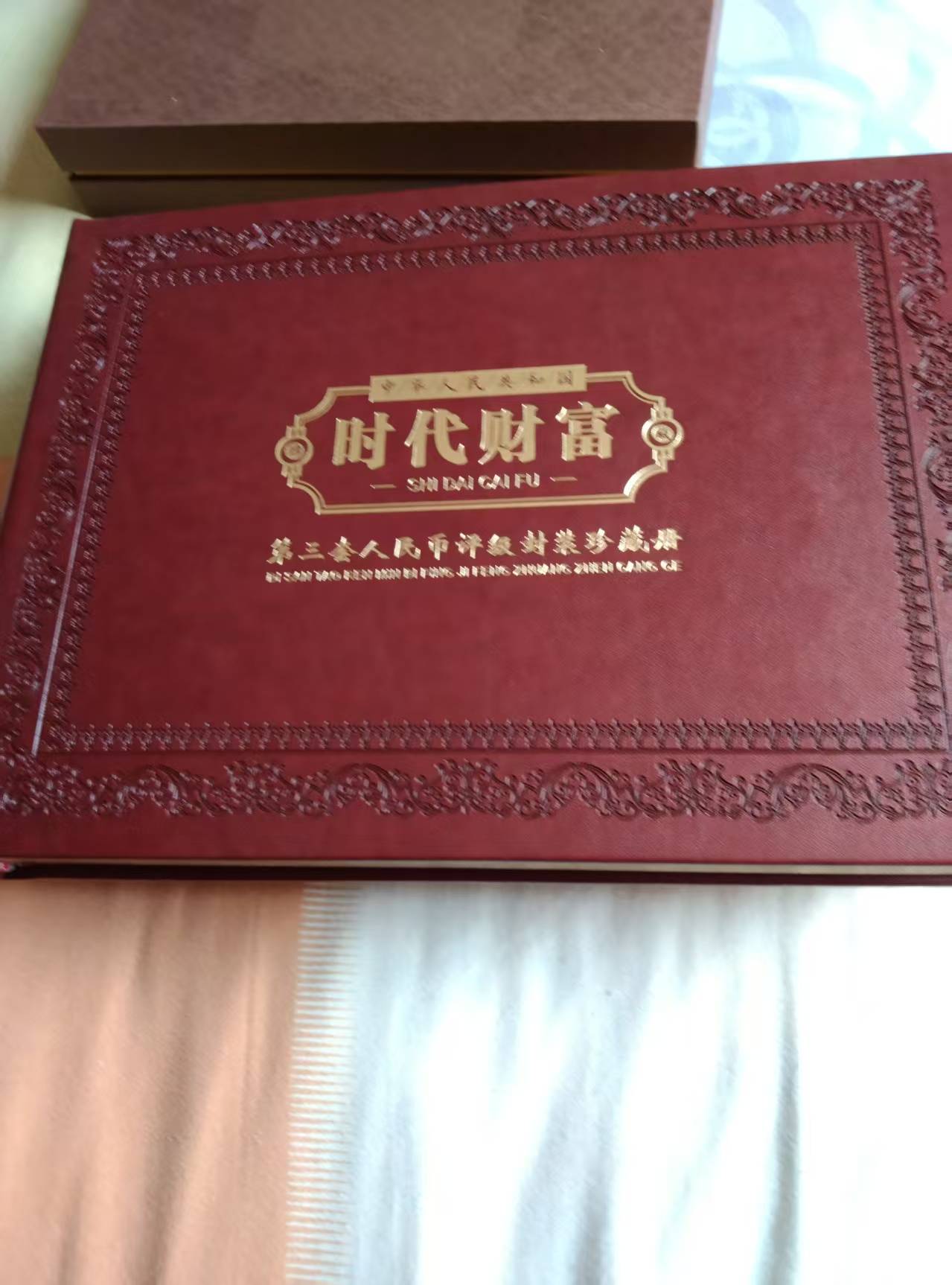
第三套人民币珍藏册:一个时代的经济记忆与收藏瑰宝
Sou Hu Cai Jing· 2025-10-28 02:23
Core Insights - The third set of Renminbi (RMB) is a significant artifact in China's monetary history, reflecting the economic changes of the mid-20th century and serving as a medium of exchange and a historical record [1][2] Historical Background - The third set of RMB was issued on April 20, 1962, and remained in circulation for 38 years until July 1, 2000, making it the longest-circulating RMB set [2] - It was introduced during a period of economic adjustment, aimed at stabilizing the financial order and supporting economic development [2] - The design and issuance of the third set reflect the spirit of self-reliance and hard work, showcasing China's industrial achievements and collective ideals [2] Composition of the Collection - The "Third Set of RMB Collection Album" features a comprehensive collection of major banknotes and coins, emphasizing a complete collection system of "paper money + coins" [5] Paper Money Section - The 10 yuan note symbolizes political ideals with its imagery of the People's Congress, while the 5 yuan note represents industrial enthusiasm through the depiction of steelworkers [5][8] - The 2 yuan note features a lathe worker, reflecting mechanical industry development, and the 1 yuan note highlights agricultural mechanization with the image of a female tractor driver [8] - The 5角 note showcases textile workers, emphasizing the importance of light industry [8] - The 2角 note symbolizes infrastructure achievements with the Wuhan Yangtze River Bridge, and the 1角 note is notable for its various rare editions [11] - The fractional notes (5分, 2分, 1分) are categorized into "long-number" and "no-number" types, with the former being particularly valuable due to limited circulation [11] Coin Section - The collection includes hard coins issued from the 1950s to the 1990s, made from aluminum-magnesium alloy, featuring simple designs with the national emblem [11] Collectible Value - The collection's value is driven by its historical significance, artistic value, and market scarcity [14] - Each banknote and coin serves as a historical artifact, encapsulating specific societal memories and achievements [14] - The artistic design merges political and aesthetic elements, showcasing significant industrial and agricultural imagery [14] - Market scarcity has led to high prices for well-preserved sets, with some rare items exceeding 500,000 yuan in value [17][18] Cultural Significance - The collection transcends mere collectibles, acting as a narrative of contemporary Chinese history [18][21] - It reflects the value orientations and aesthetic tastes of mid-20th century China, showcasing labor and national identity [21] - The collection serves as primary data for analyzing monetary circulation, price levels, and industrial structure during the planned economy era [21] - It has fostered a culture of collecting and appreciation for currency as a historical and artistic medium, shifting from curiosity-driven to research-oriented collecting [21]

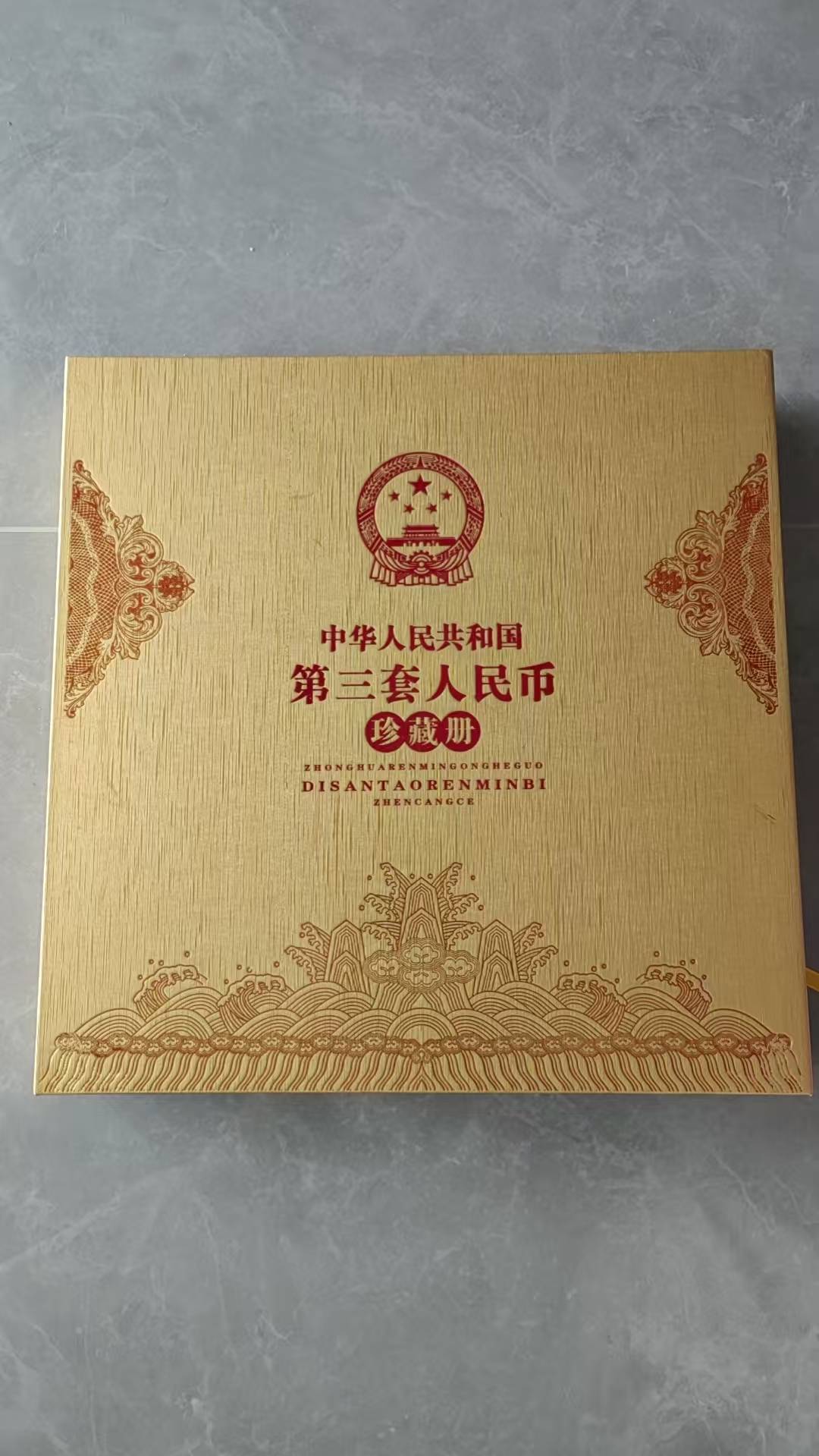
第三套人民币评级封装珍藏册:岁月沉淀的货币华章
Sou Hu Cai Jing· 2025-05-29 04:47
Core Viewpoint - The third set of Renminbi is a significant historical currency in China, reflecting the country's economic, cultural, and social transformations over 38 years, and has become a sought-after collectible item due to its unique design and rich historical context [2][11]. Group 1: Historical Significance - The third set of Renminbi was officially issued in April 1962 and gradually withdrew from circulation by July 2000, marking a period of substantial change in China [2]. - It was the first set of banknotes in China to be completely designed and printed independently, showcasing the top design and printing craftsmanship of the time [2]. Group 2: Diverse Denominations - The third set of Renminbi includes 7 denominations and 13 varieties, featuring notable designs such as the 1 Jiao note depicting education and labor, and the 2 Jiao note showcasing the Wuhan Yangtze River Bridge [3][4]. - Each denomination reflects significant aspects of Chinese society and economy, such as the role of women in industry and agriculture, and the importance of energy production [4]. Group 3: Preservation and Presentation - The third set of Renminbi is presented in a specially rated and sealed collectible album, ensuring the protection and display of these valuable banknotes [7]. - The album features high-quality materials and design, with detailed descriptions of each banknote's historical and cultural significance [7]. Group 4: Rarity and Collectible Value - The circulation of the third set of Renminbi has decreased over time due to recovery, destruction, and natural wear, making certain rare versions highly sought after, such as the 1962 version of the 1 Jiao note [8][11]. - The collectible value of the third set of Renminbi is expected to increase over time, solidifying its status in the collectible market [11]. Group 5: Market Recognition and Potential - The third set of Renminbi has consistently attracted attention in the collectible market, with prices showing a steady upward trend [12]. - The growing interest in cultural collectibles and the increasing living standards are expanding the market demand for the third set of Renminbi, indicating significant investment potential [12].