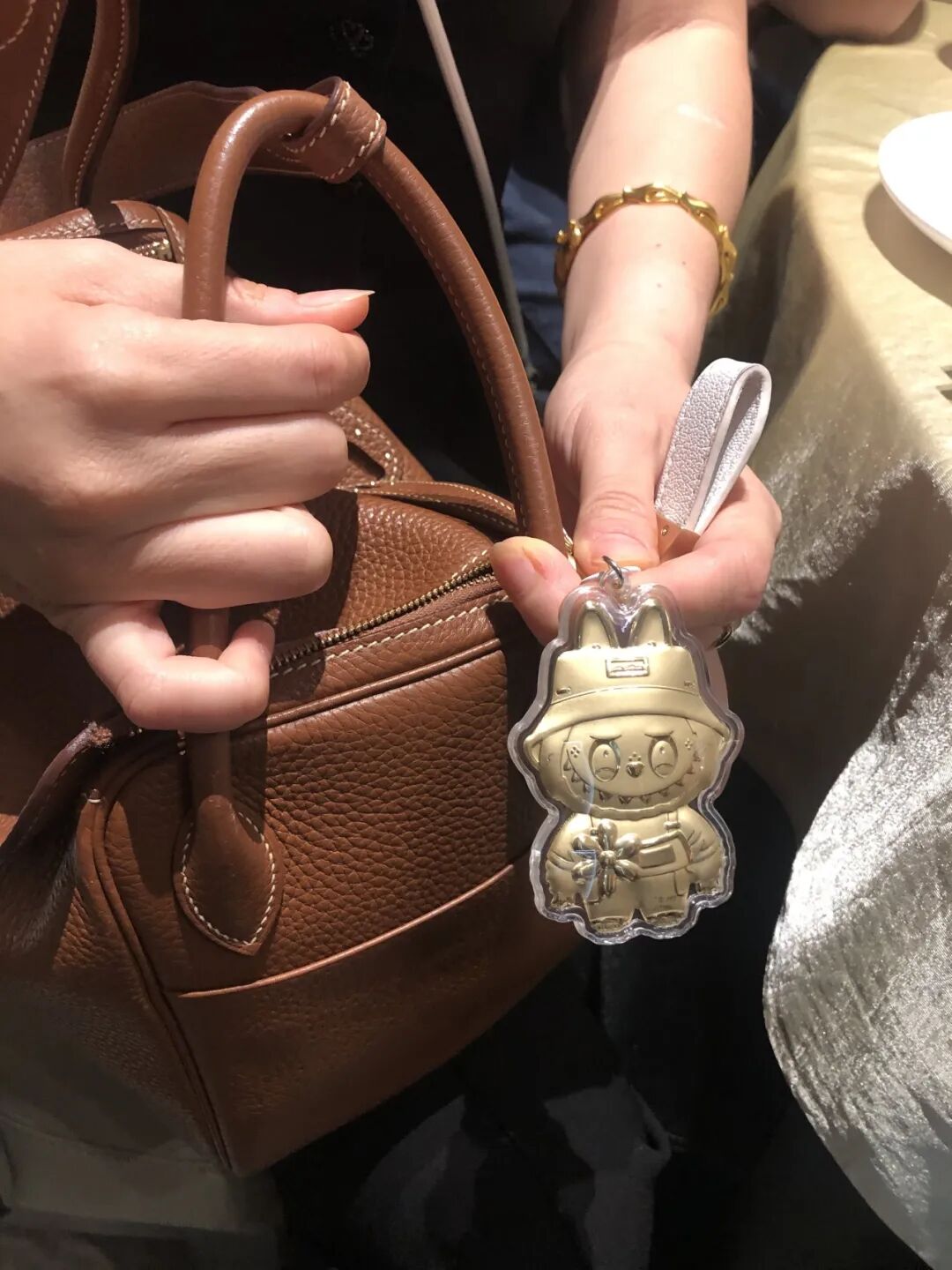
第四代迷你Labubu

Search documents
Labubu盲盒二手价大幅“跳水”,曾被炒至数千元
Xin Lang Cai Jing· 2025-12-29 12:30
Group 1 - The resale prices of Labubu blind boxes have significantly declined after initially soaring to high levels, with prices dropping from over 4600 yuan to around 260 yuan [1] - The fourth generation mini Labubu followed a similar trend, with initial resale prices reaching 1600 yuan and hidden variants nearing 800 yuan, but later falling to an average of 264 yuan for hidden variants and 1077 yuan for whole boxes by late December [1] - Recent data from the Dewu APP indicates that the average transaction price for the Labubu blind box over the past 30 days was 117.17 yuan, with a peak of 130.76 yuan on December 16, followed by a downward trend [1] Group 2 - Morgan Stanley's report indicates that Pop Mart is transitioning from a phase of explosive growth to a phase of sustainable growth, predicting a significant slowdown in revenue growth for Labubu by 2026, shifting from a single blockbuster to diversified drivers beyond Labubu IP [2] - Pop Mart reported strong performance, with a 245% year-on-year revenue increase in Q3 2025, including a 185%-190% increase in China and a 365%-370% increase overseas [2] - The company's stock reached a historical high of 339.8 HKD, with a market capitalization exceeding 420 billion HKD, but has since declined to 199.90 HKD per share as of December 29, reflecting a decrease of 0.15% [2]
买Lafufu的年轻人
3 6 Ke· 2025-09-28 23:58
Core Insights - The popularity of Labubu has led to a cultural phenomenon where both genuine and counterfeit versions are embraced by consumers, reflecting a shift in attitudes towards authenticity and value [1][4][6] - The emergence of Lafufu, a derivative of Labubu, indicates a growing acceptance of non-authentic products among consumers, particularly in the context of rising prices and limited availability of genuine items [5][8][17] Group 1: Consumer Behavior and Market Dynamics - Consumers are increasingly willing to purchase Lafufu, a non-authentic version of Labubu, due to its affordability and creative designs, which some find more appealing than the original [6][8][18] - The demand for Labubu has surged globally, with production struggling to keep pace, leading to a significant increase in counterfeit products [17][18] - A survey indicated that younger consumers are more accepting of counterfeit products as a cost-saving measure, reflecting a broader trend in consumer behavior [8][17] Group 2: Brand and Product Development - Bubble Mart, the company behind Labubu, has expanded its production capacity significantly, with a reported monthly output of approximately 10 million Labubu figures [17] - The company is diversifying its product offerings beyond core collectibles to include items like phone cases and keychains, although these products do not generate the same level of consumer interest [18] - Recent product releases have faced quality control issues, leading to consumer dissatisfaction and comparisons to counterfeit products, which some perceive as better made [9][12][18] Group 3: Cultural and Community Impact - The rise of Lafufu reflects a cultural shift where consumers express their identity and creativity through both authentic and non-authentic products [6][19] - The phenomenon of "magic modifications" or creative reinterpretations of popular characters is common, indicating a natural evolution of brand engagement among consumers [19][21] - The community around Labubu and Lafufu is evolving, with consumers finding ways to express their affection for the brand through various forms of engagement, including social media [1][19]