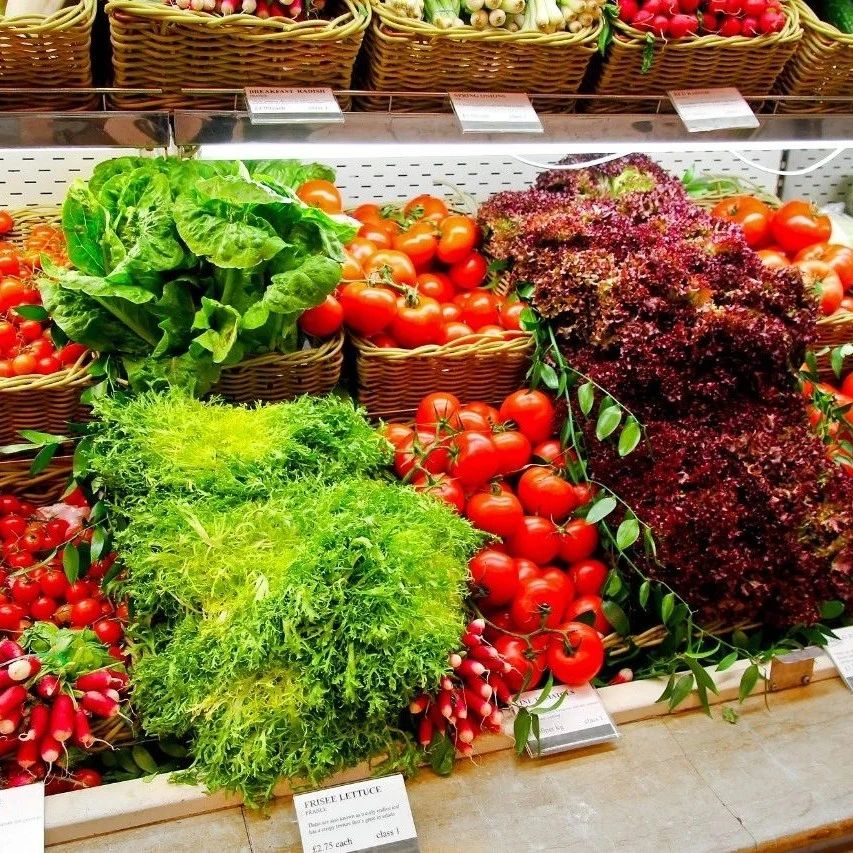
粤式茶点

Search documents
从“空城”到“满城烟火” 深圳新春的温暖转身
Chang Jiang Shang Bao· 2026-02-27 00:13
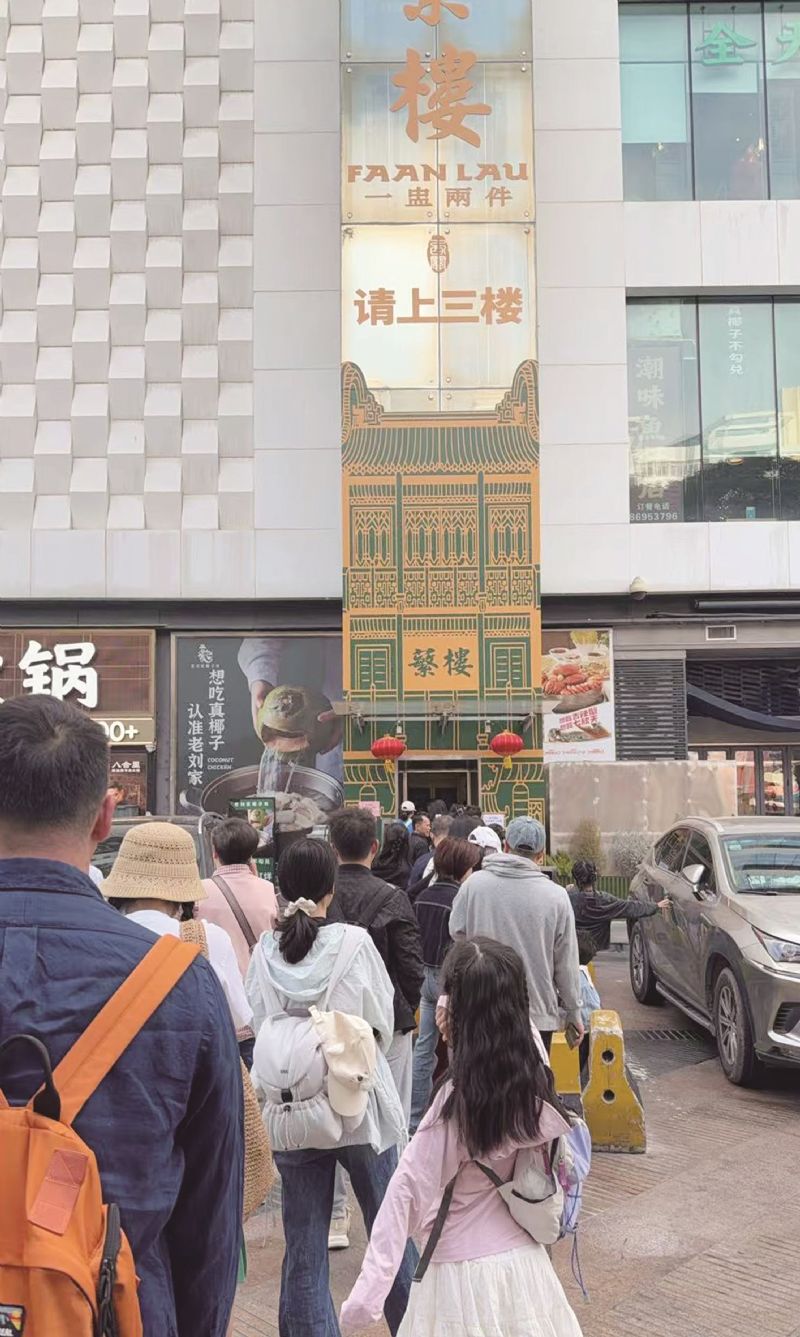
Core Viewpoint - Shenzhen has transformed from a "ghost city" during the Spring Festival to a vibrant and bustling metropolis, with increased human activity and festive atmosphere this year [3][6]. Group 1: City Atmosphere - The city is experiencing a revival in human activity, with many migrant workers choosing to celebrate the New Year locally, leading to a new trend of "reverse Spring Festival travel" [3]. - Streets are adorned with decorations, and popular areas like Shenzhen Bay are filled with families and tourists enjoying the festive environment [3]. - The overall atmosphere is characterized by warmth and celebration, contrasting sharply with previous years' quietness during the holiday [3][6]. Group 2: Tourism and Attractions - Shenzhen's tourism has seen a significant increase, with various attractions, including the Shenzhen Science Museum, becoming popular destinations for families [4][6]. - The Science Museum features interactive exhibits in fields like aerospace and artificial intelligence, drawing large crowds and providing educational experiences for children [4]. - The city is now recognized for its vibrant tourism, with family-oriented, science-focused, and coastal activities becoming mainstream during the holiday [6]. Group 3: Dining and Hospitality - The restaurant scene in Shenzhen has rebounded earlier than in previous years, with many well-known eateries opening their doors to welcome guests [5]. - Notable establishments like Fan Lou have seen long queues, indicating a strong demand for traditional Cantonese cuisine during the holiday [5]. - The city has implemented measures to enhance the dining experience, including extended operating hours and increased public transport services, ensuring a warm and welcoming environment for both locals and visitors [5][6].

【食品饮料】餐饮行业有望复苏,关注供应链相关标的——餐饮链板块跟踪报告(叶倩瑜/李嘉祺/董博文)
光大证券研究· 2025-05-21 14:00
Core Viewpoint - The restaurant market is showing signs of slow recovery in Q1 2025 compared to the entire year of 2024, with an increase in the number of stores [3] Group 1: Market Trends - The restaurant market's consumption was relatively weak in the first three quarters of 2024, but saw a significant increase in Q4 2024, likely due to the issuance of dining consumption vouchers and active holiday spending [3] - In Q1 2025, the restaurant market's prosperity slightly declined compared to Q4 2024, possibly influenced by the Spring Festival holiday, but remains in a recovery phase compared to the entire year of 2024 [3] - The number of restaurant stores increased by 1.5% in Q4 2024 and 1.8% in Q1 2025, indicating ongoing intense competition within the industry [3] Group 2: City-Level Analysis - First-tier cities have seen an increase in restaurant heat since Q4 2024, with cities like Shanghai, Guangzhou, and Beijing launching dining consumption vouchers to stimulate demand [4] - The number of restaurant stores in first-tier cities increased by 1.0% in Q3 2024, 2.4% in Q4 2024, and 3.6% in Q1 2025, indicating intensified competition on the supply side [4] - In contrast, the restaurant heat in second and third-tier cities showed mixed performance, with the number of stores remaining relatively stable [4] Group 3: Store Opening Rates - Categories with relatively low average spending, such as noodle shops and snacks, maintained high opening rates of 10.5% and 9.8% respectively, indicating a strong demand for affordable dining options [5] - Local specialty categories, including Cantonese dim sum and Yunnan mushroom hot pot, also exhibited rapid expansion [5] Group 4: Consumer Spending Trends - The trend towards affordable dining remains strong, with restaurants priced under 50 yuan accounting for 70% of the total number of stores as of Q1 2025, showing an increase in their market share [6] - The number of restaurants priced above 200 yuan decreased by 0.3%, while those priced between 100-200 yuan and 50-100 yuan also saw declines, indicating a softening in mid-range dining [6] - The expansion of low-cost, high-value dining options is particularly evident in first-tier cities, where the focus is on restaurants priced under 100 yuan [6]