
粤通行

Search documents
广东:推动自动驾驶大模型落地
Nan Fang Du Shi Bao· 2026-01-21 23:11
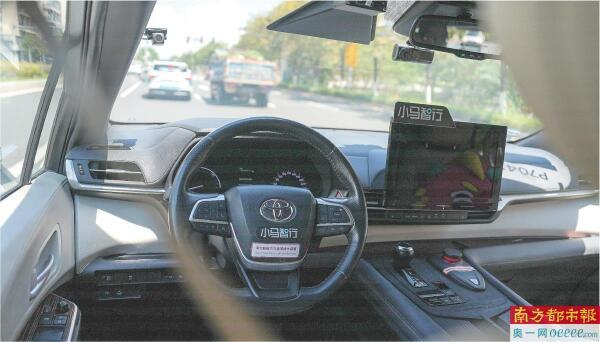
Core Viewpoint - Guangdong Province has officially issued a set of policies aimed at promoting high-quality development in transportation through artificial intelligence, establishing a comprehensive support system for smart transportation development [2] Group 1: Policy Measures - The policy includes 14 concrete measures to create a full-chain system of "core element supply - innovative scenario empowerment - work mechanism guarantee" [2] - It aims to accelerate the pilot application of intelligent connected vehicles and support the establishment of demonstration application recognition in free trade zones and administrative regions [2][5] Group 2: Data and Technology Support - The measures focus on three main areas: data supply, computing power and algorithm support, and key technology breakthroughs [3] - Guangdong will enhance data governance in the transportation sector, creating a standardized resource directory that includes key areas such as highways, railways, and ports [3] - The province will utilize data centers to support the orderly construction of computing power and deploy edge computing nodes in critical locations to form a collaborative system [3][4] Group 3: Application Scenarios - Eight innovative application scenarios are outlined to transition AI technology from the laboratory to practical use, including remote driving and intelligent decision-making [5][6] - The policy supports the construction of a national "vehicle-road-cloud integration" application pilot city in Guangzhou and Shenzhen, promoting the testing of autonomous driving in logistics scenarios [6] Group 4: Smart Infrastructure Development - The measures propose the integration of AI and domestic BIM technology in smart road construction, enhancing maintenance through unmanned inspections and data analysis [6] - The policy aims to transform road network management from "visible and measurable" to "intelligent research and prevention" [6] Group 5: Enhancing Transportation Efficiency - The integration of AI in rail transport will facilitate the optimization of passenger flow prediction and dynamic capacity allocation [7] - The development of a comprehensive monitoring system for waterways will enhance navigation efficiency and information exchange [7] Group 6: Emergency and Logistics Applications - AI will be applied in civil aviation for flight flow management and airport operations, optimizing resource allocation and enhancing safety [8] - The logistics sector will benefit from AI in demand integration and capacity allocation, improving multi-modal transport efficiency [9]

粤高速A(000429) - 广东省高速公路发展股份有限公司2024年度ESG报告
2025-03-03 12:15
CONTENTS 目录 | 可持续发展治理 | 13 | | --- | --- | | ESG治理体系 | 13 | | 可持续发展目标 | 14 | | 利益相关方沟通 | 16 | | 实质性议题 | 17 | | 关于本报告 | 01 | | --- | --- | | 董事长致辞 | 03 | | 2024年可持续发展亮点 | 04 | | 走进粤高速 | 05 | | 公司简介 | 05 | | 发展历程 | 07 | | 专题聚焦 | 09 | | 数智赋能新动力,创新驱动新未来 | 09 | | 坚守法规底线 | | | --- | --- | | 构建坚实基础 | 19 | | 治理架构 | 21 | | 三会运作 | 21 | | 合规内控 | 23 | | 信披与投关管理 | 27 | | 股东与债权人权益保护 | 28 | | 商业道德 | 29 | | 党建凝聚力量 | | | --- | --- | | 夯实兴企根基 | 31 | | 党委组织 | 33 | | 党的建设 | 34 | | 反腐倡廉 | 36 | | 践行绿色理念 | | | --- | --- | | 呵护地球家 ...
