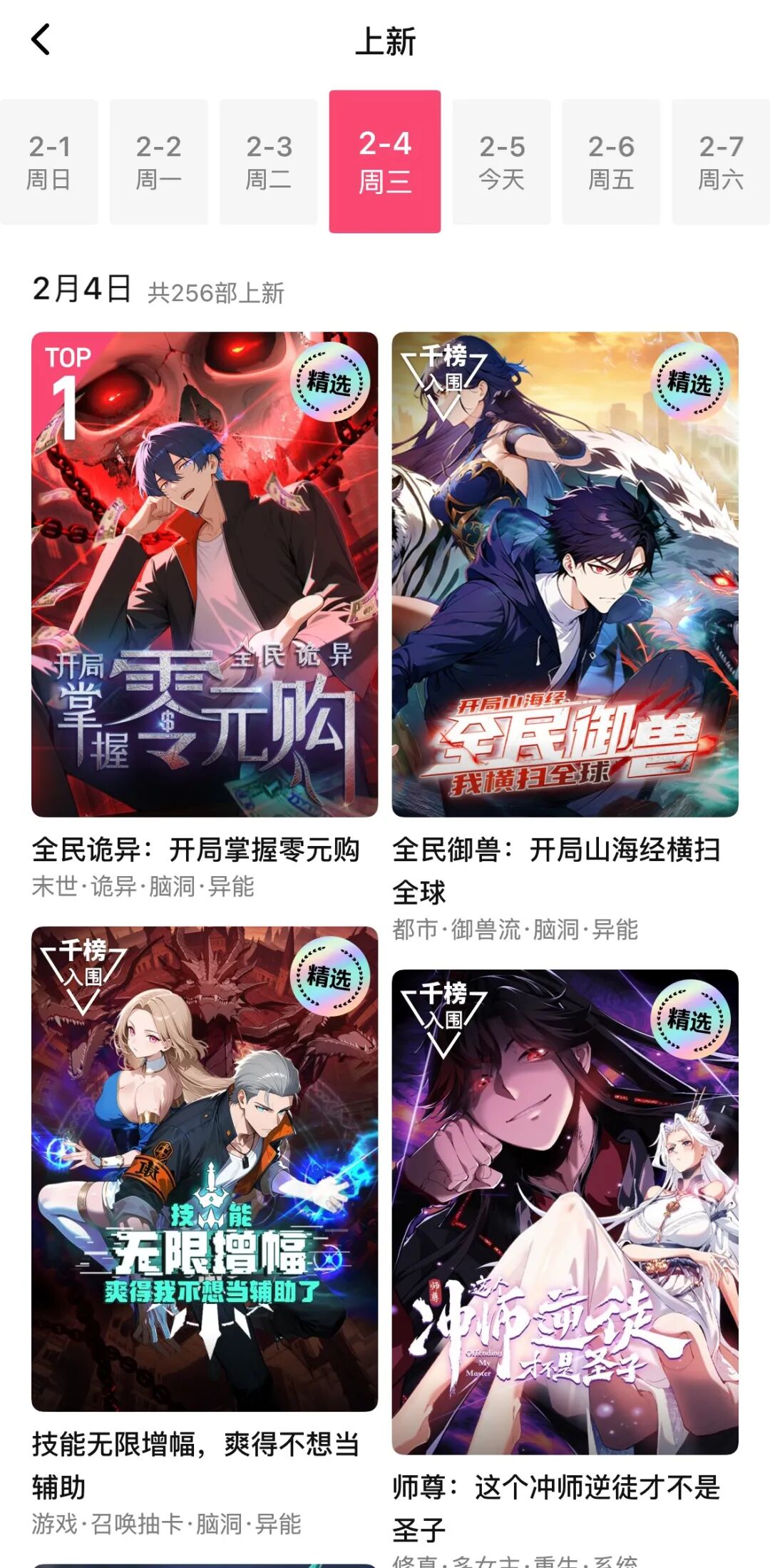
红果漫剧

Search documents
短剧“变天”,AI真人剧产能暴涨千倍
凤凰网财经· 2026-03-10 13:53
Core Viewpoint - The short drama industry is undergoing significant changes, with a shift from live-action to AI-generated content, driven by the need for cost reduction and increased profitability amid high production costs and industry losses [3][4][15]. Group 1: Industry Dynamics - The short drama market is experiencing a contraction, particularly in the live-action segment, as platforms like Hongguo cancel minimum guarantee policies for production companies, leading to reduced project initiations [5][6]. - The production costs for short dramas have escalated, with average costs rising from 100,000-200,000 to 400,000-500,000, and premium productions reaching up to 1 million [8][15]. - The industry is characterized by a high loss rate, with over 90% of companies operating at a loss, prompting a shift towards AI-generated content as a potential solution [3][15]. Group 2: Transition to AI Content - The industry is witnessing a rapid transition to AI-generated short dramas, with many production companies pivoting to this format in response to market changes and technological advancements [7][11]. - AI short dramas are becoming a refuge for creators, with production costs significantly lower than traditional live-action dramas, estimated at 15,000-150,000 per project compared to 300,000-1,000,000 for live-action [13][17]. - The introduction of advanced AI video generation tools, such as Seedance 2.0, is facilitating this transition, allowing for faster production cycles and lower costs [10][17]. Group 3: Market Competition and Future Outlook - The competition in the AI short drama space is intensifying, with a predicted explosion in production volume leading to potential price declines and increased market saturation [16][18]. - The industry is expected to shift from a director-centric model to a more individual-driven model, where creators can produce content independently using AI tools [17]. - Despite the technological advancements, there remains skepticism among audiences regarding the authenticity of AI-generated content, which could impact its acceptance in the market [15][18].


大厂入局引爆AI漫剧,第一批跳槽的人工资涨10倍?
创业邦· 2026-03-06 03:29
Core Insights - The article discusses the rapid growth of AI-generated animated dramas (漫剧), highlighting their potential to replicate the success of short dramas in the entertainment industry [5][10][22]. - The market for animated dramas is projected to reach 240 billion yuan by 2026, reflecting a 45% increase from 2025 [8]. - The production costs for animated dramas have significantly decreased, allowing for faster production cycles and increased output [19][30]. Group 1: Market Dynamics - The animated drama market is experiencing explosive growth, with the number of productions increasing from dozens to 200 within a few months [5][10]. - Major players like ByteDance and Baidu are entering the market, leveraging existing IPs to quickly scale their offerings [11][18]. - The competition for talent has intensified, with companies offering salaries up to ten times higher to attract skilled workers in AI and content creation [13]. Group 2: Audience and Content Trends - The primary audience for animated dramas is younger males, with over 80% of popular titles targeting male viewers [17][18]. - The themes of animated dramas often include fantasy and adventure, resonating with the emotional needs of young male audiences [17][18]. - There is a notable gap in female-targeted content, which is seen as a potential growth area for the industry [18]. Group 3: Production Efficiency - The cost of producing a 100-episode animated drama can be kept under 150,000 yuan, significantly lower than traditional live-action dramas [19]. - AI technology has reduced production time from 90 days to approximately 10-13 days, enhancing the industry's capacity to meet demand [19][30]. - The integration of AI across various production stages is transforming the creative process, allowing for more efficient content generation [30][32]. Group 4: Monetization Strategies - Animated dramas are adopting similar monetization strategies as short dramas, including advertising, in-app purchases, and platform revenue sharing [22][30]. - The return on investment (ROI) for animated dramas is reportedly higher than that of short dramas, indicating strong financial potential [22]. - The industry consensus is leaning towards free content models, as users have become accustomed to consuming entertainment without direct payment [22]. Group 5: Future Outlook - The article suggests that the animated drama sector may experience a second wave of growth, driven by technological advancements and evolving audience preferences [21][33]. - There is potential for animated dramas to develop into interactive experiences, similar to video games, enhancing user engagement [33]. - The ongoing competition among major players indicates a dynamic and rapidly evolving landscape, with significant opportunities for innovation and market capture [11][33].

2026年三大趋势,春节档大战后,腾爱优芒需要一份爆款成绩单
3 6 Ke· 2026-02-25 10:23
Core Insights - The Spring Festival this year saw streaming platforms like iQIYI, Tencent Video, and Youku struggling to produce blockbuster long dramas, with a focus on ancient and period dramas leading to a lack of standout hits [3][5] - In contrast, the short drama market thrived, with several series achieving over 1 billion views, indicating a shift in viewer preferences towards shorter content [3][5] Streaming Market Performance - Long dramas captured a market share of less than 20%, while short dramas consistently broke the 1 billion view mark, highlighting the challenges faced by long-form content [5] - The overall performance of long dramas reflects a year of increased competition, fewer blockbusters, and compressed profit margins, leading to a decline in project launches [5][18] Content Strategy and Trends - Streaming platforms are adopting a "layered attack" strategy for long dramas, combining innovative or ancient dramas targeting young audiences with family-friendly content to maximize viewership [7][10] - The emergence of generative AI technology is reshaping the video content industry, pushing platforms towards cost efficiency and innovative content creation [6][24] Future Directions - Three major trends are anticipated for 2026: the rise of innovative content like "infinite flow" narratives, new revenue-sharing models to support mid-tier productions, and the potential growth of AI-driven animated series [24][31] - The shift towards "infinite flow" and other innovative genres is seen as a key driver for attracting younger audiences and breaking away from formulaic storytelling [25][27] - The implementation of new revenue-sharing models is expected to revitalize mid-tier dramas, allowing them to find sustainable business models and audiences [28][30] User Engagement and Market Dynamics - The competition among platforms is shifting from acquiring new users to maximizing engagement and retention of existing users, with many new shows concluding within two weeks of their premiere [21][17] - The rise of micro-short dramas is becoming a significant trend, with platforms leveraging these formats to capture viewer attention in a fragmented market [23][31] Industry Challenges - The long video industry is facing significant challenges, with a decline in viewership for top content and a growing divide where a small number of high-quality shows capture the majority of audience attention [20][18] - The market is characterized by a "20/80" or even "10/90" rule, where a few standout series dominate viewership, leaving many mid-tier productions struggling for visibility [20][18]



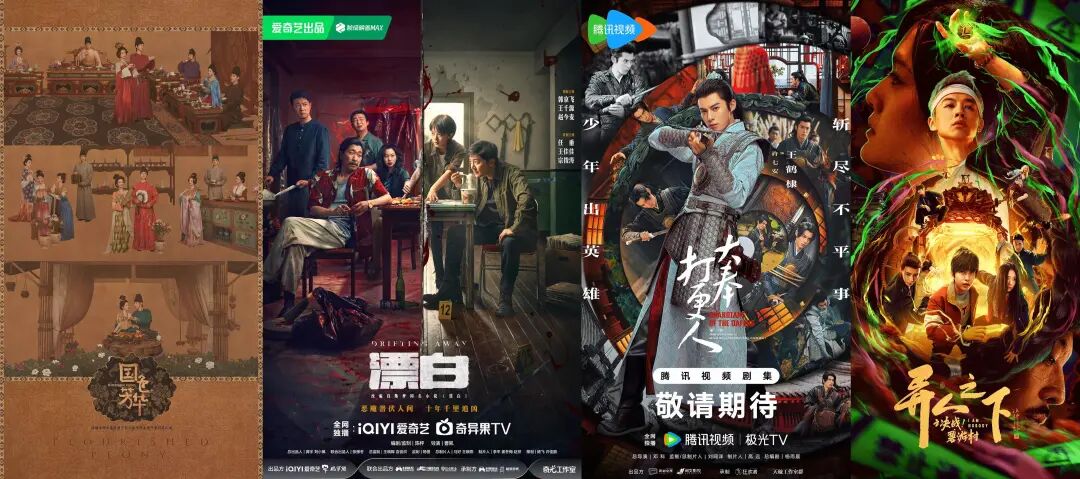
中信建投:多模态模型能力跃升 AI漫剧行业迎来战略机遇期
智通财经网· 2026-02-10 23:59
Group 1 - The core viewpoint of the report is that the release of ByteDance's Seedance 2.0 video model and the advancement of multimodal model capabilities are expected to revolutionize the film and television industry, particularly in the AI comic drama sector [1][2][4] - Comic dramas are a rare sector with low risk of being replaced by large models and high industry growth potential, as large models currently meet the creative needs of comic drama production [1][4] - The demand for tokens in comic drama creation is significant, with each minute of AI comic drama consuming between 500,000 to several million tokens, and a single comic drama project requiring over 100 million tokens [1][5][7] Group 2 - The competition among platforms is intense, providing profit margins for production companies, as various platforms continue to upgrade their revenue-sharing and traffic support policies for comic dramas [1][11][14] - By 2026, AI short dramas are expected to continue high growth, with a significant increase in the number of hits, as evidenced by a monthly playback increase of over 4.973 billion in January 2026, nearly double the 2.777 billion increase in November 2025 [1] - Major comic drama companies have already exceeded a monthly production capacity of over 100 episodes, with expectations for further growth due to industry expansion and short training cycles for new employees [8][20] Group 3 - The rapid iteration of large models is likely to reshape the film industry, with Google's DeepMind and ByteDance leading advancements in video generation technology [2][4] - The AI comic drama production companies are considered high-quality clients of large models, facing low replacement risks due to the relatively low quality requirements for video generation compared to traditional film and game industries [4][5] - The industry is witnessing a surge in participation from various stakeholders, including IP companies and production firms, with significant investments and strategic collaborations to drive growth [11][17]

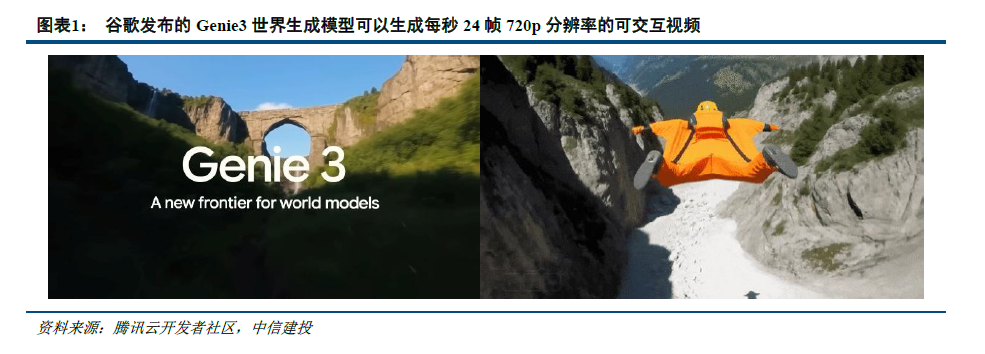
大厂“赶集”独立漫剧APP,都是什么气质?
3 6 Ke· 2026-02-06 02:50
Group 1 - The core concept of "Fire Dragon Manhua" is to create a community-focused platform for high-quality manhua series, distinguishing itself from traditional traffic distribution platforms [1][2] - The app launched with 1,701 manhua series on its first day and added 133 new series, although exclusive content is still limited in scale [1] - The app emphasizes IP value and aims to define standards for high-quality manhua, positioning itself as a central hub within Tencent's entertainment ecosystem [2] Group 2 - "Red Fruit Manhua," launched in November 2025, benefits from its established brand and resources, inheriting operational strategies and traffic from its predecessor [12][13] - The app aims to replicate the successful industrialized flow logic of short dramas in the manhua sector, focusing on efficiency and rapid content production [13] - It has access to over 60,000 web novel IPs and integrates with Douyin's copyright center for a full-service content adaptation and distribution chain [12] Group 3 - "Yuzu Manhua," launched in December last year, serves as a core entry point for Baidu's content ecosystem, integrating various resources and functionalities [24][25] - The app has shown significant growth, achieving a distribution scale that represents one-third of the total distribution volume of short dramas within a year [25] - Baidu is exploring the potential of manhua in the IP derivative market, indicating a strategic focus on leveraging manhua's traffic value [25] Group 4 - "Seven Cats Manhua," launched in January, is positioned as a free manhua platform, emphasizing its commitment to the genre and signaling its importance within Baidu's ecosystem [47] - The app features a minimalist design, focusing on basic functionalities and information flow, with a mission to assert its presence in the manhua market [47] Group 5 - Both iQIYI and Youku have opted for a more conservative approach by launching dedicated manhua channels within their main platforms instead of independent apps, aiming to enhance their long-form video content ecosystem [32][39] - iQIYI's manhua channel focuses on popular genres and aims to expand female-oriented content, while Youku launched its channel with a diverse range of themes [32][39]