AI漫剧

Search documents
永不停歇的情绪工厂:字节造红果,平台驯化影视业
晚点LatePost· 2026-03-30 17:08
Core Viewpoint - The article discusses the rapid evolution and dominance of short dramas in the Chinese entertainment industry, highlighting the shift from traditional long-form content to short, efficient productions driven by platforms like Hongguo, which leverage free viewing models and data-driven content creation to attract massive audiences [3][20][22]. Group 1: Industry Dynamics - The short drama market is projected to surpass the Chinese film box office by 2024, indicating a significant shift in viewer preferences and industry focus [7]. - Hongguo, a platform developed by ByteDance, has disrupted traditional video platforms by offering free access and achieving over 100 million monthly active users within two years [3][20]. - The production cost for a short drama ranges from 300,000 to 800,000 yuan, significantly lower than that of long dramas, allowing for a higher volume of content creation [10][11]. Group 2: Production Efficiency - Short dramas are produced at an unprecedented pace, with some companies able to release over 1,000 new episodes monthly, which is four times the annual output of long dramas [9][10]. - The production process is highly streamlined, often taking only a week from script approval to filming completion, emphasizing efficiency and cost-effectiveness [8][12]. - The industry has adopted a "no idle personnel" approach, where every crew member is essential to maintaining production speed and reducing costs [8][10]. Group 3: Audience Engagement - The content of short dramas is designed to be immediately engaging, often featuring dramatic plot twists and high-stakes scenarios to capture viewer attention quickly [9][17]. - Audience preferences are continuously monitored through data analytics, allowing platforms to adapt content in real-time to meet viewer demands [18][28]. - The emotional resonance of short dramas reflects current societal sentiments, with themes evolving from revenge to familial warmth as societal conditions change [18][19]. Group 4: Market Competition - The competitive landscape has shifted, with smaller production companies now able to thrive due to lower barriers to entry and the ability to produce content quickly and cheaply [11][12]. - The traditional hierarchy in the film industry is being dismantled, allowing for more collaborative input from all crew members, which enhances creativity and efficiency [12][29]. - The rise of AI-driven content creation tools is beginning to impact the industry, potentially lowering production costs even further and changing the competitive dynamics [32][33].


月薪3000的职校生,正在「干掉」北影导演
36氪· 2026-03-22 09:45
Core Viewpoint - The article discusses the rapid growth and transformation of the AI animation industry, highlighting the emergence of AI-generated content and its impact on traditional media, as well as the competitive dynamics within the industry. Group 1: Industry Growth and Dynamics - The AI animation industry has seen significant growth, with companies like 酱油动漫 achieving monthly revenues exceeding 500 million yuan, positioning themselves as leaders in the sector [5] - ByteDance's 红果漫剧 platform has also experienced remarkable growth, surpassing 10 million daily active users within just three months [6] - The AI animation market is projected to reach a scale of over 20 billion yuan, driven by advancements in multi-modal models and the introduction of tools like Seedance 2.0, which streamline production processes [7] Group 2: Competitive Landscape - The industry is witnessing a talent war, with companies aggressively recruiting skilled personnel, leading to instances of poaching among competitors [13][14] - Many traditional short drama companies are facing losses, with over 90% reportedly struggling financially, prompting a shift towards AI animation as a potential lifeline [16][17] - The competitive landscape is characterized by rapid changes, with companies needing to adapt quickly to maintain relevance and capitalize on emerging trends [62] Group 3: Production and Cost Efficiency - AI animation production processes have become more efficient, allowing for the creation of content at significantly lower costs, with some companies producing AI-generated animations for as little as 600 yuan per minute [12] - The introduction of advanced models like Seedance 2.0 has enabled companies to reduce reliance on traditional roles, such as storyboard directors, thereby cutting costs and increasing output [7][66] - Companies are now focusing on scaling production capabilities, with 酱油动漫 aiming to increase its monthly output to 1,000 episodes by the end of the year, which would represent a substantial portion of the current market [30] Group 4: Market Trends and Future Outlook - The AI animation sector is evolving rapidly, with a shift from lower-quality content to more sophisticated AI-generated works, such as仿真人剧, which are expected to dominate the market [46][50] - The industry's growth is accompanied by a decline in traditional short dramas, as platforms tighten policies and many companies struggle to survive [79] - The future of the industry will likely hinge on the ability to produce high-quality content efficiently, as well as the ongoing technological advancements that continue to reshape production capabilities [36][63]

阅文集团,亏损扩大至7.76亿元
Shen Zhen Shang Bao· 2026-03-19 12:52
Core Viewpoint - The company, Yuewen Group, is a comprehensive cultural industry group focused on digital reading and IP cultivation, facing financial challenges while exploring new business opportunities in AI and short dramas [1][2]. Financial Performance - The company reported a total revenue of 73.66 billion RMB for the year ending December 31, 2025, representing a year-on-year decline of 9.3% [3]. - Gross profit decreased by 13.4% to 33.97 billion RMB, with an operating loss of 8.04 billion RMB, an increase of 139.3% compared to the previous year [3]. - The pre-tax loss was 6.16 billion RMB, a significant increase of 523.0% year-on-year, while the net loss for the year was 7.76 billion RMB, up 270.4% [3]. - The loss attributable to equity holders was also 7.76 billion RMB, with non-IFRS profit down by 24.8% to 8.58 billion RMB [3]. Business Segments - Online business revenue increased by 0.4% to 40.47 billion RMB, driven by improved core product operations and high-quality content production [1]. - Copyright operation revenue fell by 20.0% to 31.92 billion RMB, primarily due to delays in broadcasting and a reduction in the number of film and television projects [1]. - The IP derivative products business performed exceptionally well, with a gross merchandise volume (GMV) exceeding 1.1 billion RMB, more than double that of the previous year [1]. AI and New Initiatives - The company has made significant strides in the AI comic drama sector, achieving over 1 billion RMB in revenue in the second half of the year, indicating market potential [1]. - Four major initiatives have been launched to build a comic drama ecosystem, including opening the IP resource library and establishing a 100 million RMB creative fund to support creators [2]. - The company introduced AIGC tools like the comic drama assistant to enhance adaptation efficiency and has integrated production, distribution, and IP collaboration across the entire value chain [2]. Asset and Liability Overview - The total assets of the company amounted to 215.83 billion RMB, with total liabilities at 40.56 billion RMB, resulting in a debt-to-asset ratio of 18.8% [2]. - Online business revenue accounted for 54.9% of total revenue, while copyright operations and others made up 45.1% [2].
刚刚,小云雀的短剧Agent上线了,背后是字节自己的Seedance 2.0。
数字生命卡兹克· 2026-03-19 03:31
Core Viewpoint - The article discusses the capabilities of ByteDance's AI short drama tool, Xiaoyunque, which utilizes the Seedance 2.0 model to generate high-quality short dramas quickly and efficiently, revolutionizing the production process for AI-generated content [1][2][19]. Group 1: Product Overview - Xiaoyunque is an AI short drama agent developed by ByteDance, leveraging the Seedance 2.0 model, which is recognized as the world's leading AI video model [2][19]. - The tool allows users to create entire episodes of short dramas by simply providing a script or even just a concept, eliminating the need for detailed storyboarding or editing [2][19]. Group 2: Performance and Efficiency - The article highlights that using Xiaoyunque can significantly reduce production time, with one user completing four episodes in just half a day, compared to traditional methods that may take days [8][9]. - The quality of the generated content is emphasized, with the AI producing high-quality short dramas that are engaging and visually appealing, even without post-production adjustments [4][7][19]. Group 3: Creative Process - The article outlines the creative process involved in using Xiaoyunque, which includes generating a script, selecting character designs, and creating scenes, all of which can be done in a streamlined manner [21][30][33]. - It also discusses the importance of a well-structured script, suggesting that while AI can assist in generating content, human creativity and oversight remain crucial for high-quality storytelling [41][48]. Group 4: Future Implications - The article suggests that the advancements in AI tools like Xiaoyunque represent a significant step towards the industrialization of AI in film and media, with potential for further improvements in future iterations of the technology [58][60]. - It raises questions about the future of storytelling and the role of human creativity in an era increasingly dominated by AI-generated content [58][61].

腾讯研究院AI速递 20260316
腾讯研究院· 2026-03-15 16:01
Group 1 - Claude 4.6 model with 1 million context fully launched, eliminating long text premium, with Opus charging $5 and $25 per million tokens [1] - OpenClaw 2026.3.12 version released, entering daily update iteration mode, with a modular UI and new deployment solutions [2] - Google Maps undergoes its largest update in a decade, introducing immersive 3D navigation and natural language dialogue search capabilities [3] Group 2 - Perplexity abandons MCP protocol in favor of API and CLI, with significant support for CLI due to its advantages in usability and efficiency [4] - Vidu by Shengshu Technology releases the world's first dedicated AI comic solution, addressing industry pain points with tailored algorithms [5][6] - xAI experiences a leadership exodus, with significant departures raising concerns about its operational structure and future plans [7] Group 3 - Google AlphaEvolve sets new lower bounds for five Ramsey numbers, marking a significant milestone in AI mathematics [8] - Stanford and Princeton release LabClaw, an open-source research skill library that simplifies biomedical research processes [9] - LATENT method by Galaxy General Robotics achieves the first high-dynamic tennis rally with humanoid robots, showcasing advancements in robotics [10] Group 4 - Karpathy assesses AI replacement risk across 342 occupations, highlighting that screen-based jobs face the highest risk of automation [11]
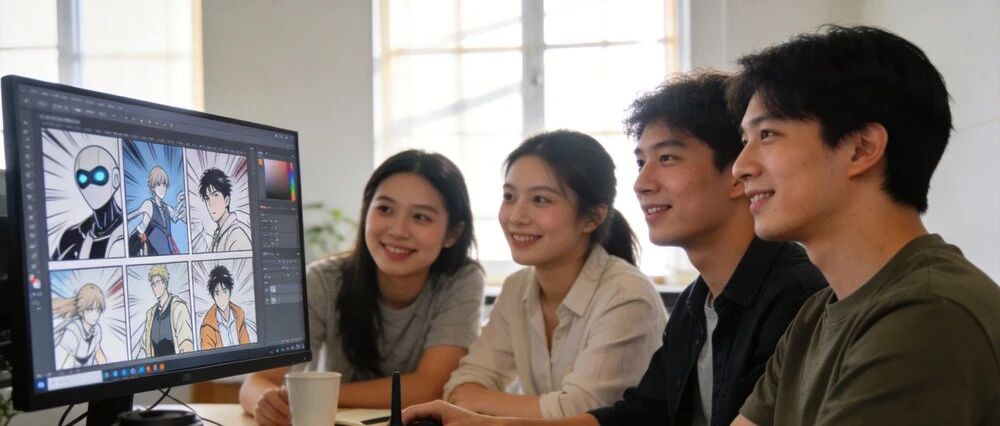
AI内容供需旺盛,英伟达发力本地AI创作
2 1 Shi Ji Jing Ji Bao Dao· 2026-03-13 04:32
Core Insights - NVIDIA is focusing on promoting AI content creation tools at GDC, aiming to lower development barriers for users [1] - The company introduced simplified features for its AI drawing tool ComfyUI and enhanced local AI video generation processes [1][2] - NVIDIA's RTX Video Super Resolution technology significantly improves the efficiency of 4K video production, making it 30 times faster than other mainstream tools [2] Group 1: AI Content Creation Tools - NVIDIA launched a new "application view" for ComfyUI, targeting designers unfamiliar with node workflows, allowing them to generate AI content easily by inputting prompts and adjusting parameters [1] - Since September 2022, performance on RTX GPUs for ComfyUI has improved by 40%, with the GeForce RTX 50 series offering up to 2.5 times performance improvement using NVFP4 format and 1.7 times using FP8 format, while also reducing memory usage by 60% and 40% respectively [1] Group 2: Market Trends and Growth - The demand for AI-generated content is surging, with AI-generated videos gaining acceptance in the market, driven by OpenAI's Sora and subsequent offerings from ByteDance and Kuaishou [2] - The AI comic drama market in China is projected to exceed 24 billion yuan by 2026, with user numbers surpassing 300 million, as traditional production cycles are reduced from months to weeks, cutting costs by over 60% [3] - NVIDIA is aligning its software, models, and toolchains to lower the barriers for local AI creation tools, integrating its GPUs with AI production processes to capitalize on the growing AI content production trend [3]

《霍去病》爆火,短剧之后又一个风口已来
第一财经· 2026-03-10 04:56
Core Viewpoint - The article discusses the rapid rise of AI-generated short films, particularly the success of the AI short film "Huo Qubing," which has garnered significant attention and sparked discussions about the potential of AI in the film industry. The production cost is highlighted as being low, but the actual costs include more than just computational expenses, indicating a shift towards industrialized production in the AI film sector [3][5]. Industry Overview - The AI short film "Huo Qubing" is produced using the "Nano Comic Drama Production Line," which is the first industrial-grade AI production platform in China. This platform has quickly become a benchmark in the AI comic drama sector, demonstrating efficiency, quality, and cost-effectiveness in production [5]. - The market for micro-short dramas and comic dramas has surpassed 100 billion yuan, nearly double the total box office of national films in the same period. The domestic comic drama market is expected to grow from approximately 168 billion yuan in 2025 to over 240 billion yuan in 2026, with a year-on-year growth rate exceeding 40% [5][6]. Technological Impact - AI comic dramas are transforming the industry by significantly reducing the time and expertise required for production. New entrants to the field can quickly learn to use AI tools, allowing for a diverse range of professionals to contribute to the creation of comic dramas [7][8]. - The production process involves using AI to analyze and generate content from existing literature, enabling rapid creation of episodes. This has led to a dramatic increase in production capacity, with individual creators able to produce 10-20 episodes per day [8][18]. Market Dynamics - The year 2025 is referred to as the "Year of AI Comic Dramas," with a significant increase in the number of AI-generated short films on platforms like Douyin. The number of AI-generated micro-short dramas surged from 4 in January to 217 by November [15][17]. - Major internet companies are entering the AI comic drama space, with platforms like Youku and iQIYI launching collaborative initiatives. The competition is intensifying, with high revenue-sharing models being offered to attract quality creators [17][18]. Future Outlook - The introduction of advanced AI models is expected to further reduce production costs from 1,500-2,500 yuan per minute to 400-1,000 yuan, potentially tripling production capacity within six months [18]. - Despite the rapid growth and interest in AI comic dramas, concerns remain about content quality and originality. The industry may face challenges related to content saturation and the need for compelling storytelling to engage audiences [20][22].

AI漫剧:百亿风口下90%在亏损,一场内卷和突围的战争
虎嗅APP· 2026-03-09 10:33
Core Viewpoint - The AI video generation industry is experiencing rapid growth, with significant advancements in technology leading to increased efficiency and reduced costs, particularly in the production of AI-generated short dramas and animations [4][13][19]. Group 1: Market Dynamics - The year 2025 is anticipated to be the "AI Manhua Year," with the number of AI-generated micro-dramas increasing from 4 in January to 217 by November, indicating a substantial market shift [6][7]. - The market for manhua is projected to exceed 22 billion by 2026, contributing 50% of the growth in the short drama sector, with user numbers expected to rise from approximately 120 million in 2025 to 280 million [7][10]. - The influx of various players from traditional media, animation, and technology sectors into the manhua space is creating a competitive environment, with over 80,200 new registrations in 2025, marking a 37.1% increase [7][9]. Group 2: Technological Advancements - The introduction of Seedance 2.0 has significantly improved production efficiency, reducing costs from 1,500-2,500 yuan per minute to 400-1,000 yuan, and increasing daily output to 10-20 episodes [14][15]. - Major advancements in AI video models have led to breakthroughs in character consistency and audio-visual synchronization, enabling the production of high-quality content with fewer resources [14][16]. - The emergence of one-stop production tools has streamlined the creation process, covering 80% of the workflow from script to final output, thus enhancing overall productivity [15][18]. Group 3: Industry Challenges - Despite the rapid growth, the industry faces intense competition, with a low success rate for new entries; only 0.16% of the 60,946 manhua produced in 2025 achieved over 100 million views [20][21]. - Many creators are struggling to monetize their content, with reports indicating that 90% of non-top-tier companies are operating at a loss [21][22]. - The market is characterized by a high degree of content homogeneity, leading to challenges in attracting and retaining viewers [20][21]. Group 4: Future Trends - The industry is expected to evolve towards a hybrid model combining live-action and AI-generated elements, with a focus on high-quality productions [22][23]. - There is a growing emphasis on international expansion, with predictions that China's short drama export revenue will reach $2.38 billion by 2025, driven by demand in Southeast Asia and other regions [23][24]. - The talent gap in the industry remains a significant challenge, with a shortage of professionals skilled in both AI tools and visual storytelling [23][24].





中国有多少座“短剧之城”?
创业邦· 2026-03-07 01:12
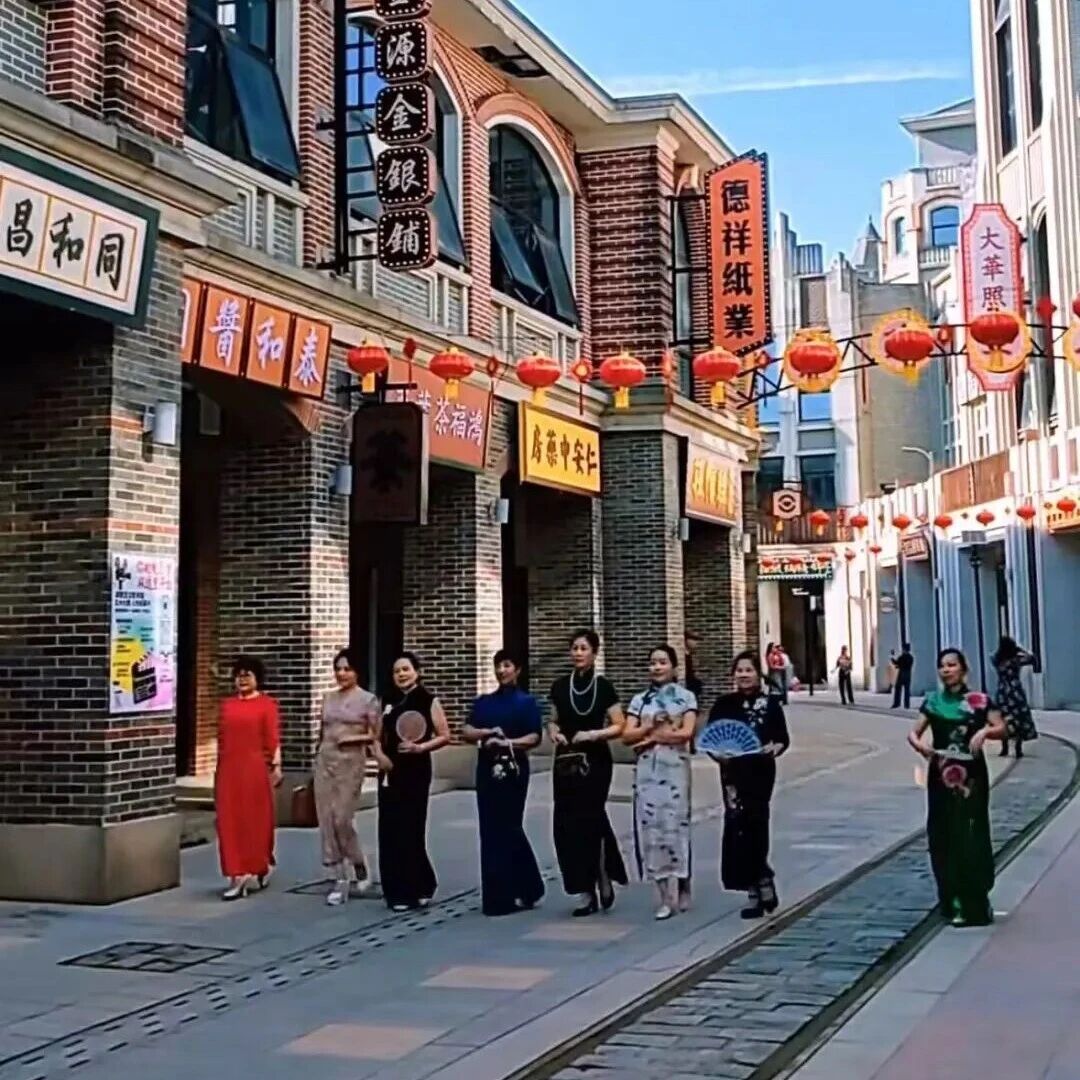
Core Viewpoint - The article discusses the emergence of various cities in China vying to become the "Short Drama City," highlighting the competition and the evolving landscape of short drama production in the country [5][6]. Group 1: Emergence of Short Drama Cities - Cities like Changsha, Ningbo, Chengdu, Qingdao, Yangzhou, and Wuhan are now positioning themselves as "Short Drama Cities," indicating a shift from traditional hubs like Hengdian, Zhengzhou, and Xi'an [5][6]. - The concept of "Short Drama City" is being included in government work reports, showcasing its importance as a cultural and economic initiative [5]. Group 2: Competition Among Cities - Hengdian remains the first tier in short drama production due to its established infrastructure and resources, but cities like Zhengzhou and Xi'an are rapidly gaining ground [8][11]. - Zhengzhou has become a leader in micro-short drama production, with significant investments in upgrading facilities, while Xi'an boasts high efficiency in production, contributing to a large share of the national output [11][25]. Group 3: Characteristics of Short Drama Production - Different cities are developing unique characteristics in their short drama offerings, with southern cities leaning towards female-centric narratives and urban themes [15][17]. - The construction of specialized filming locations is on the rise, with cities adapting to popular trends and demands from production teams [17][20]. Group 4: Economic Impact and Challenges - The rise of short drama production is seen as a way to revitalize local economies, with expectations of boosting tourism and related industries [26]. - However, the industry faces challenges from AI-generated content and market saturation, leading to layoffs and a need for adaptation among production companies [26][28]. Group 5: Future Outlook - The future of short drama cities hinges on their ability to create a sustainable ecosystem that includes collaboration with local media companies and educational institutions [25]. - As the industry evolves, there is a growing need for short drama bases to integrate AI technologies and adapt to changing market dynamics [28].
大厂入局引爆AI漫剧,第一批跳槽的人工资涨10倍?
创业邦· 2026-03-06 03:29
Core Insights - The article discusses the rapid growth of AI-generated animated dramas (漫剧), highlighting their potential to replicate the success of short dramas in the entertainment industry [5][10][22]. - The market for animated dramas is projected to reach 240 billion yuan by 2026, reflecting a 45% increase from 2025 [8]. - The production costs for animated dramas have significantly decreased, allowing for faster production cycles and increased output [19][30]. Group 1: Market Dynamics - The animated drama market is experiencing explosive growth, with the number of productions increasing from dozens to 200 within a few months [5][10]. - Major players like ByteDance and Baidu are entering the market, leveraging existing IPs to quickly scale their offerings [11][18]. - The competition for talent has intensified, with companies offering salaries up to ten times higher to attract skilled workers in AI and content creation [13]. Group 2: Audience and Content Trends - The primary audience for animated dramas is younger males, with over 80% of popular titles targeting male viewers [17][18]. - The themes of animated dramas often include fantasy and adventure, resonating with the emotional needs of young male audiences [17][18]. - There is a notable gap in female-targeted content, which is seen as a potential growth area for the industry [18]. Group 3: Production Efficiency - The cost of producing a 100-episode animated drama can be kept under 150,000 yuan, significantly lower than traditional live-action dramas [19]. - AI technology has reduced production time from 90 days to approximately 10-13 days, enhancing the industry's capacity to meet demand [19][30]. - The integration of AI across various production stages is transforming the creative process, allowing for more efficient content generation [30][32]. Group 4: Monetization Strategies - Animated dramas are adopting similar monetization strategies as short dramas, including advertising, in-app purchases, and platform revenue sharing [22][30]. - The return on investment (ROI) for animated dramas is reportedly higher than that of short dramas, indicating strong financial potential [22]. - The industry consensus is leaning towards free content models, as users have become accustomed to consuming entertainment without direct payment [22]. Group 5: Future Outlook - The article suggests that the animated drama sector may experience a second wave of growth, driven by technological advancements and evolving audience preferences [21][33]. - There is potential for animated dramas to develop into interactive experiences, similar to video games, enhancing user engagement [33]. - The ongoing competition among major players indicates a dynamic and rapidly evolving landscape, with significant opportunities for innovation and market capture [11][33].