红色旅游服务

Search documents
(乡村行·看振兴)山西繁峙:“红韵蔬乡”定制农业助力乡村产业升级
Zhong Guo Xin Wen Wang· 2025-12-10 10:49
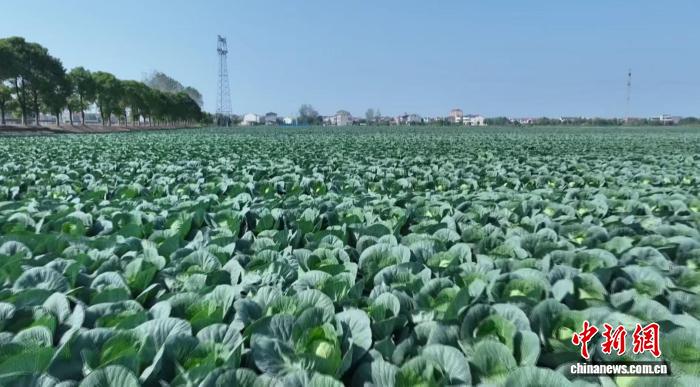
Core Viewpoint - The "Hongyun Vegetable Town" customized agriculture project in Shanxi Province is a significant initiative aimed at upgrading rural industries and promoting rural revitalization through a total investment of over 1.2 billion yuan [1][3]. Group 1: Project Overview - The project includes the establishment of smart vegetable greenhouses and the introduction of intelligent dehydrated vegetable production lines, creating a full-process system from market orders to base planting, standard production, and value-added processing [1][3]. - The project is supported by the Central Special Lottery Public Welfare Fund, which addresses challenges such as market fluctuations and unstable income in vegetable planting [3][4]. Group 2: Agricultural Development - The project aims to enhance production capacity and quality control to meet high-end market demands, with approximately 18,000 square meters of smart greenhouses being constructed [3][4]. - The introduction of intelligent dehydrated production lines is expected to increase fresh vegetable supply by about 50,000 tons and boost output value by over 30% [4]. Group 3: Economic Impact - The project is designed to benefit local farmers through a multi-faceted interest linkage mechanism, allowing them to earn income from land leasing, construction operations, and order-based planting [8][9]. - It is projected that the collective economic income of the project area will increase by approximately 1.28 million yuan annually, with farmers expected to see an average annual income increase of about 12,000 yuan [9]. Group 4: Integration of Sectors - The project integrates primary, secondary, and tertiary industries, promoting a circular economy model that includes planting, processing, livestock farming, and returning organic fertilizers to the land [5][6]. - The initiative also enhances the synergy between red tourism and modern agriculture, improving visitor experiences and extending their stay, which in turn boosts local agricultural product consumption [6][8].

2025年湖南红色旅游文化节暨湘潭市第四届旅游发展大会在韶山开幕
Zhong Guo Fa Zhan Wang· 2025-07-11 15:28
Group 1 - The 2025 Hunan Red Tourism Cultural Festival aims to enhance the quality of red cultural tourism in Hunan, with a focus on classic red sites like Shaoshan [1] - The event includes various activities such as poetry recitations, exhibitions, and immersive experiences to promote red culture and tourism [1][2] - Hunan is recognized for its rich revolutionary history, producing notable leaders like Mao Zedong, and has over 300 red resources, including 105 historical sites [2] Group 2 - The event encourages collaboration among nine cities in the Hunan-Jiangxi border area to promote regional red tourism [2] - The initiative aims to transform red resources into educational tools for cultivating new generations, with 750,000 students visiting Shaoshan for ideological education [2] - Shaoshan is positioned as a key player in the red tourism sector, with plans for systematic improvement and optimization of the red cultural tourism industry [3]
杨家沟革命旧址:让红色基因焕发时代光芒
Shan Xi Ri Bao· 2025-04-22 23:00
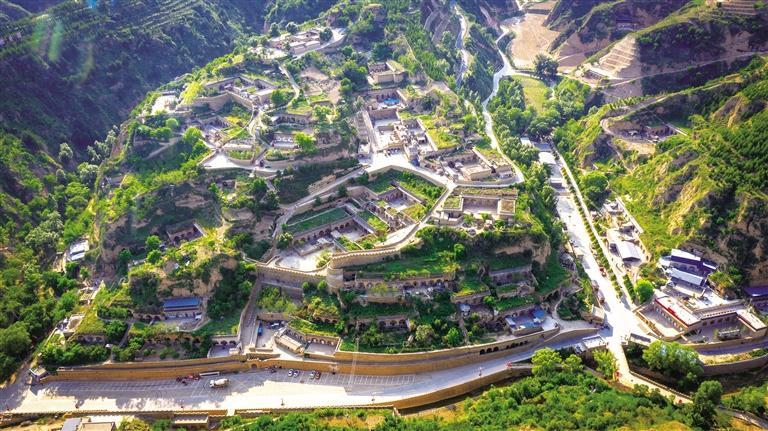
Core Viewpoint - The Yangjiagou Revolutionary Site is actively utilizing red cultural resources to promote education and tourism, ensuring the legacy of revolutionary history continues to thrive [5][6][10]. Group 1: Historical Significance - Yangjiagou Village is recognized as a pivotal location in Chinese revolutionary history, serving as the last stop for the Central Committee of the Communist Party before moving towards national victory [5][10]. - The site has been visited by significant leaders, including Xi Jinping, who emphasized the importance of utilizing red resources for educational purposes [5][6]. Group 2: Cultural and Educational Initiatives - The Yangjiagou Revolutionary Memorial Hall is implementing advanced technologies for the digital preservation of cultural artifacts and is actively engaging in educational outreach through lectures in schools and communities [3][6]. - The site has become a key location for patriotic education, attracting increasing numbers of visitors, including students, to learn about revolutionary history [16][20]. Group 3: Economic Development through Tourism - The growth of red tourism has significantly boosted the local economy, with villagers benefiting from increased income through tourism-related activities [22][24]. - The village's collective economic income reached 2.05 million yuan, with individual per capita income exceeding 20,000 yuan in 2024 [23][24]. Group 4: Future Development Plans - Plans are underway to enhance the red cultural tourism experience, including the construction of a cultural technology industrial park and a film base, which are expected to attract over 20,000 visitors annually [26][27]. - The village aims to integrate red culture with green development, creating a sustainable economic model that includes various agricultural and tourism initiatives [24][27].