经济型住宅

Search documents
越南楼市失控了
虎嗅APP· 2025-12-28 02:56
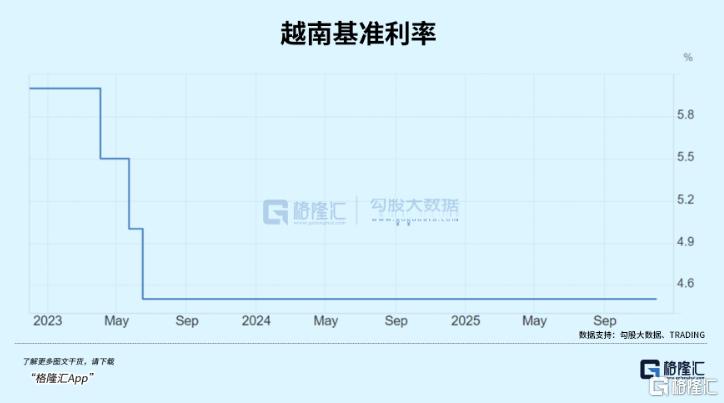
Core Viewpoint - Vietnam's real estate market is experiencing rapid price increases, with apartment prices in Hanoi exceeding 8 million VND per square meter, comparable to cities like Suzhou in China, despite the country's GDP per capita being under $5,000 [5][6][7]. Group 1: Economic Context - The State Bank of Vietnam has significantly lowered interest rates from 15% in 2008 to 4.5% by 2025, leading to a prolonged period of monetary easing aimed at stimulating economic growth [11]. - Despite global liquidity tightening, Vietnam's credit growth targets remain high at 15%-16%, with M2 growth at 13.5%, outpacing the actual GDP growth of 5.5% [14][15]. - The low-interest environment has distorted market funding flows, with excess liquidity flooding into the asset market instead of manufacturing [17][18]. Group 2: Land Policy and Market Dynamics - The new Land Law set to take effect in 2024 aims to marketize land pricing but has led to a significant increase in land acquisition costs for developers, from 15%-20% of total development costs to 40%-50% [26][27]. - The previous land pricing system resulted in substantial government revenue loss, with land-related income constituting only 12% of Vietnam's fiscal revenue in 2023, compared to an average of 25% in Southeast Asia [24]. - The supply of new apartments is critically low, with only 39,000 units available in Hanoi in 2024, translating to one unit for every 231 people [24]. Group 3: Housing Demand and Foreign Investment - The influx of foreign engineers and workers due to industrial migration has created a dual market, where high-end apartments cater to expatriates and affluent locals, while affordable housing is virtually non-existent [36][40]. - In 2024, foreign direct investment in Vietnam's real estate sector reached $5.63 billion, with a significant portion directed towards mid-to-high-end projects in major cities [40]. - The rental market for high-end apartments in Hanoi shows over 40% occupancy by foreign tenants, supporting high rental yields and prices [41]. Group 4: Social Implications and Market Risks - The disparity in wealth is growing, with the top 10% of families holding 78% of real estate assets, while the bottom 50% own only 2% [51]. - The price-to-income ratio for the 25-35 age group in Hanoi is 28:1, indicating a severe affordability crisis [52]. - Social unrest is emerging, with protests over housing affordability leading to temporary government measures, but these are insufficient to address the underlying issues [59][60].


越南楼市失控了
Xin Lang Cai Jing· 2025-12-26 11:52
Group 1 - Vietnam's real estate market is experiencing a significant surge in prices, with apartment prices in Hanoi exceeding 8 million VND per square meter, comparable to cities like Suzhou in China, despite the country's GDP per capita being below $5,000 [1][22] - The State Bank of Vietnam has drastically reduced interest rates from 15% in 2008 to 4.5% by 2025, leading to a significant increase in liquidity and a shift of funds from manufacturing to the asset market [4][6][7] - The new Land Law, effective in 2024, aims to marketize land pricing but has resulted in increased land acquisition costs for developers, leading to a speculative environment and insufficient housing supply [12][15][16] Group 2 - The demand for housing is driven by an influx of foreign engineers and workers due to the acceleration of supply chain migration, creating a dual market where high-end properties are targeted at expatriates rather than local workers [24][28] - The supply of affordable housing is diminishing, with developers focusing on luxury apartments to cover rising costs, resulting in a significant increase in average property prices [33][35] - The disparity in wealth is growing, with the top 10% of households owning 78% of real estate assets, leading to social tensions and a declining marriage rate due to housing affordability issues [37][39] Group 3 - The Vietnamese real estate sector attracted $5.63 billion in foreign direct investment in 2024, indicating strong interest in the market despite the challenges [27] - Current regulatory measures to control housing prices are proving ineffective, with foreign investment circumventing restrictions and new housing initiatives falling short of demand [39][40] - The overall situation in Vietnam's housing market resembles a pressure cooker, with monetary policy and land regulations creating a volatile environment for middle-class citizens [40]