
高端公寓

Search documents
越南楼市失控了
虎嗅APP· 2025-12-28 02:56
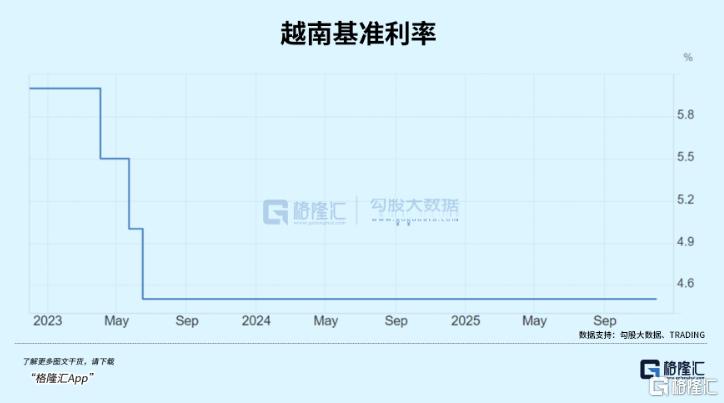
Core Viewpoint - Vietnam's real estate market is experiencing rapid price increases, with apartment prices in Hanoi exceeding 8 million VND per square meter, comparable to cities like Suzhou in China, despite the country's GDP per capita being under $5,000 [5][6][7]. Group 1: Economic Context - The State Bank of Vietnam has significantly lowered interest rates from 15% in 2008 to 4.5% by 2025, leading to a prolonged period of monetary easing aimed at stimulating economic growth [11]. - Despite global liquidity tightening, Vietnam's credit growth targets remain high at 15%-16%, with M2 growth at 13.5%, outpacing the actual GDP growth of 5.5% [14][15]. - The low-interest environment has distorted market funding flows, with excess liquidity flooding into the asset market instead of manufacturing [17][18]. Group 2: Land Policy and Market Dynamics - The new Land Law set to take effect in 2024 aims to marketize land pricing but has led to a significant increase in land acquisition costs for developers, from 15%-20% of total development costs to 40%-50% [26][27]. - The previous land pricing system resulted in substantial government revenue loss, with land-related income constituting only 12% of Vietnam's fiscal revenue in 2023, compared to an average of 25% in Southeast Asia [24]. - The supply of new apartments is critically low, with only 39,000 units available in Hanoi in 2024, translating to one unit for every 231 people [24]. Group 3: Housing Demand and Foreign Investment - The influx of foreign engineers and workers due to industrial migration has created a dual market, where high-end apartments cater to expatriates and affluent locals, while affordable housing is virtually non-existent [36][40]. - In 2024, foreign direct investment in Vietnam's real estate sector reached $5.63 billion, with a significant portion directed towards mid-to-high-end projects in major cities [40]. - The rental market for high-end apartments in Hanoi shows over 40% occupancy by foreign tenants, supporting high rental yields and prices [41]. Group 4: Social Implications and Market Risks - The disparity in wealth is growing, with the top 10% of families holding 78% of real estate assets, while the bottom 50% own only 2% [51]. - The price-to-income ratio for the 25-35 age group in Hanoi is 28:1, indicating a severe affordability crisis [52]. - Social unrest is emerging, with protests over housing affordability leading to temporary government measures, but these are insufficient to address the underlying issues [59][60].


越南楼市失控了
Xin Lang Cai Jing· 2025-12-26 11:52
Group 1 - Vietnam's real estate market is experiencing a significant surge in prices, with apartment prices in Hanoi exceeding 8 million VND per square meter, comparable to cities like Suzhou in China, despite the country's GDP per capita being below $5,000 [1][22] - The State Bank of Vietnam has drastically reduced interest rates from 15% in 2008 to 4.5% by 2025, leading to a significant increase in liquidity and a shift of funds from manufacturing to the asset market [4][6][7] - The new Land Law, effective in 2024, aims to marketize land pricing but has resulted in increased land acquisition costs for developers, leading to a speculative environment and insufficient housing supply [12][15][16] Group 2 - The demand for housing is driven by an influx of foreign engineers and workers due to the acceleration of supply chain migration, creating a dual market where high-end properties are targeted at expatriates rather than local workers [24][28] - The supply of affordable housing is diminishing, with developers focusing on luxury apartments to cover rising costs, resulting in a significant increase in average property prices [33][35] - The disparity in wealth is growing, with the top 10% of households owning 78% of real estate assets, leading to social tensions and a declining marriage rate due to housing affordability issues [37][39] Group 3 - The Vietnamese real estate sector attracted $5.63 billion in foreign direct investment in 2024, indicating strong interest in the market despite the challenges [27] - Current regulatory measures to control housing prices are proving ineffective, with foreign investment circumventing restrictions and new housing initiatives falling short of demand [39][40] - The overall situation in Vietnam's housing market resembles a pressure cooker, with monetary policy and land regulations creating a volatile environment for middle-class citizens [40]
没想到现在租赁市场也不是刚需了
3 6 Ke· 2025-12-15 03:52
Core Insights - The rental market in Shanghai is undergoing significant improvements, moving away from cramped and subpar living conditions to more stylish and comfortable options [2][3] - The demand for improved rental housing is driven by a large population of renters, with nearly 50% of the city's residents living in rental properties [3][11] Group 1: Market Trends - The rental population in major cities like Shanghai, Beijing, Guangzhou, and Shenzhen is approaching 40 million, with Shanghai having the highest rental rate [3] - The shift in demand is evident as renters, particularly young professionals, are moving from "just having a place to live" to "living well," leading to a rise in demand for whole rentals rather than shared spaces [3][5] - The market is responding with a notable increase in the availability of two-bedroom and three-bedroom units, which now account for 44.6% of the concentrated rental market [5] Group 2: Rental Preferences - Renters are increasingly willing to pay a premium for better public amenities and quality renovations, indicating a shift in preferences towards improved living conditions [6][8] - The design and functionality of communal spaces in rental properties are becoming more important, with features like study rooms and fitness areas attracting younger tenants [8][12] Group 3: Landlord Strategies - Landlords are adapting to market demands by upgrading property quality, such as installing smart locks and enhancing furnishings, to attract tenants [9][10] - A growing number of landlords are opting for property management services to streamline rental processes and improve property quality, with over 68.3% expressing a preference for professional management [10] Group 4: Economic Factors - The rental market is shifting due to a mismatch between supply and demand, with a 17% increase in rental properties compared to a 9% rise in demand, favoring tenants [11] - Economic considerations are influencing renters to allocate funds towards higher-quality rentals instead of purchasing homes, as renting in desirable areas can be more cost-effective than buying [11][12] Group 5: Cultural Shifts - The concept of "renting as a long-term lifestyle" is gaining traction, with young people viewing rental properties as viable long-term living solutions rather than temporary arrangements [12][13] - The improvement in rental quality is redefining urban living values, focusing on design, community, and service details that resonate with modern renters [13]
越南楼市陷入“越涨越抢”怪圈,供需错配与价格狂飙交织
Di Yi Cai Jing· 2025-12-02 09:24
Core Viewpoint - The recent housing frenzy in major Vietnamese cities, particularly in Hanoi, is characterized by high demand and rising prices, raising questions about whether this is driven by genuine demand or speculative rumors [1][2][5]. Group 1: Housing Market Dynamics - In Hanoi, new housing projects are selling out quickly, with the average primary sales price reaching 80 million VND per square meter (approximately 21,000 RMB), a 5.6% increase from the beginning of the year and a 33% increase year-on-year [2][3]. - The demand for affordable housing is evident, as seen in the case of "Sunshine Legend City," which attracted 4,000 registrants for 1,000 units, selling out on the opening day [2][4]. - The average price of apartments in Hanoi has increased by over 72% from 2019 to the end of 2024, with significant price hikes also observed in Da Nang and Ho Chi Minh City [5][6]. Group 2: Speculative Behavior and Market Concerns - There are reports of speculative behavior in the market, with some individuals reselling social housing for profits ranging from 2 billion to 5 billion VND (approximately 54,000 to 134,000 RMB) [3][5]. - The Ministry of Construction has indicated that much of the recent price increases are based on unverified rumors regarding administrative boundary adjustments, leading to price surges of 20-30% in some areas [7][9]. - The market is experiencing structural mismatches, with a lack of affordable housing options for low-income groups, leading to long queues for social housing applications [9]. Group 3: Government and Policy Response - The Vietnamese government is urged to expedite the approval of new housing projects to increase market supply, particularly for affordable housing [9]. - The government aims to complete at least 1 million social housing units by 2030, with over 100,000 units expected to be completed by the end of 2025 [9]. - The State Bank of Vietnam is implementing a credit program to support first-time homebuyers under 35 years old, offering favorable loan terms [9]. Group 4: Foreign Investment Landscape - Vietnam's real estate market is attracting significant foreign direct investment (FDI), with 6.3 billion USD in 2024, accounting for 16.5% of total investment, a 35% year-on-year increase [10]. - The market is becoming increasingly appealing to foreign investors due to improved legal frameworks and infrastructure, although there are restrictions on foreign ownership [10][11]. - The investment perspective differs between local residents and foreign investors, with local buyers focusing on self-use and inflation protection, while foreign investors are more concerned with rental yields and currency fluctuations [11].