羽毛球馆

Search documents
“工业锈带”到“生活秀带”的烟火重生
Xin Lang Cai Jing· 2026-01-26 23:12
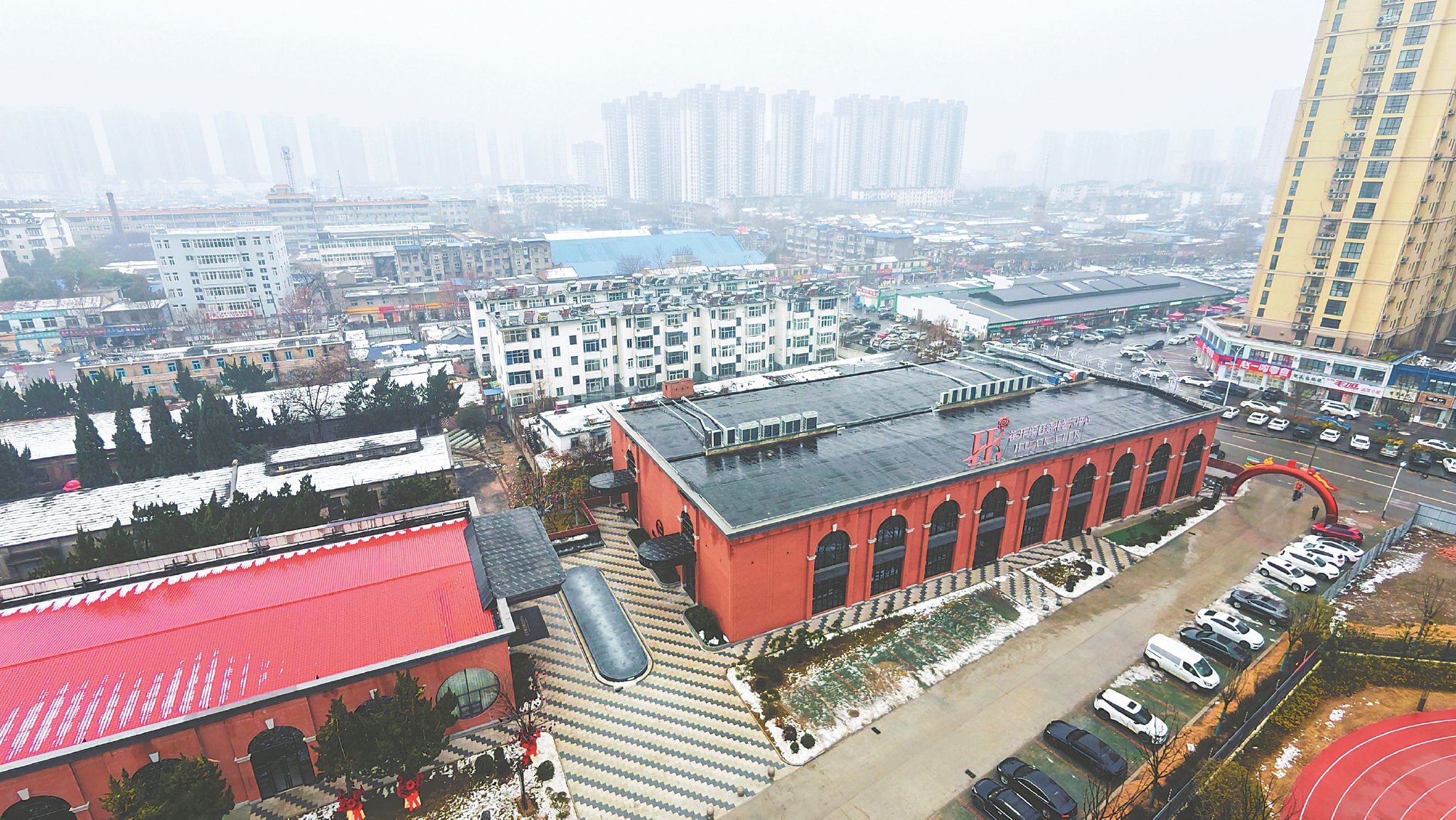
Core Viewpoint - The transformation of the old industrial area in Yungqiao District into a vibrant cultural and recreational space demonstrates a successful model of urban renewal that preserves industrial heritage while enhancing community life [5][10]. Group 1: Urban Renewal and Cultural Integration - Yungqiao District has adopted an innovative approach called "tenglong huan niao" (腾笼换鸟), focusing on revitalizing old industrial areas by integrating cultural and tourism elements while preserving historical significance [5][6]. - The 1956 Cultural and Creative Park, which attracts over 6,000 visitors daily, is a prime example of this transformation, turning a 22-year-abandoned factory into a popular destination [5][10]. - The project includes a 20-year lease agreement with a commercial operator, highlighting the potential of the area for vibrant leisure and cultural spaces [6][7]. Group 2: Economic and Community Impact - The renovation involved an investment of 25 million yuan, aimed at upgrading infrastructure while ensuring that all fixed assets remain under collective and government ownership, thus alleviating financial pressure on the government [7][8]. - The project prioritizes the welfare of former factory workers, allocating nearly 1 million yuan annually for their social security, ensuring their livelihoods are protected [8]. - The revitalization has led to a diverse range of new businesses, including tea houses, bars, and event centers, significantly enhancing local recreational options and community engagement [9][11]. Group 3: Future Development Plans - The local government aims to further develop the area by creating a distinctive cultural tourism street, which will attract more visitors and stimulate surrounding businesses [12]. - The ongoing transformation is expected to continue revitalizing other idle industrial sites in the region, contributing to the overall urban development of Suzhou [12].

西宁体育馆升级改造完成 部分场馆已开放
Xin Lang Cai Jing· 2025-12-24 19:51
Group 1 - The Xining Sports Center has completed its renovation, now featuring badminton courts, table tennis courts, a fitness training room, and a shared gym that are open to the public [2] - The main arena of Xining Sports Center has an area of 3,940 square meters and can accommodate approximately 5,000 spectators, catering to diverse needs such as daily fitness, corporate team-building, and youth sports training [2] - The badminton venue includes 6 courts with professional flooring, while the table tennis venue has 7 standard tables, ensuring a well-equipped environment for athletes [2] Group 2 - The fitness training room is equipped with various training equipment and personalized training plans are developed by coaches based on individual student characteristics [3] - The shared gym operates on a low-cost, public service model, charging only 2 yuan per visit for citizens [3] - A new multifunctional sports fitness center is set to open, featuring emerging sports like digital baseball, tennis, and shooting, aiming to become a popular recreational spot for residents [3]
第一批回县城开球馆的羽球人,卷疯了
3 6 Ke· 2025-10-18 01:36
Core Insights - The trend of opening badminton courts has rapidly spread to county towns, with a significant increase in the number of facilities available for enthusiasts [2][4][5] Group 1: Market Dynamics - In a short span, several badminton courts have opened in small towns, with one town seeing five new facilities offering a total of 46 courts [2] - The pricing for badminton in these county towns is significantly lower than in major cities, with costs being about one-tenth of those in Beijing [2] - The rise in badminton popularity is attributed to factors such as increased participation in sports due to educational requirements and social media promotion [5][6] Group 2: Entrepreneurial Opportunities - Many young entrepreneurs are returning to their hometowns to capitalize on the growing demand for badminton facilities, mirroring previous trends seen with coffee shops [5][8] - The initial investment for opening a badminton court is relatively low in county towns, with one entrepreneur reporting a total startup cost of 350,000 yuan [8] - There is a trend of individuals starting related businesses, such as stringing services for badminton rackets, to complement the growing number of courts [9] Group 3: Challenges and Competition - Despite the initial success, many new badminton courts face challenges in attracting consistent customer traffic, especially after peak seasons [21][23] - The competition is intensifying, with new entrants looking to differentiate themselves through unique offerings and customer engagement strategies [23][24] - Operators are finding it difficult to maintain profitability due to low pricing and high operational costs, leading to a focus on cost-cutting measures [22][19] Group 4: Community Engagement - The social aspect of badminton in county towns is emphasized, with facilities becoming community hubs rather than just places to play [26][29] - Operators are leveraging personal connections and community engagement to build loyalty among customers, creating a more inviting atmosphere [26][28]

第一批回县城开球馆的羽球人,卷疯了
后浪研究所· 2025-10-10 08:28
Core Viewpoint - The article discusses the rapid growth of badminton courts in county towns, highlighting a shift from scarcity to abundance in options for badminton enthusiasts, driven by lower costs and increased demand for recreational activities [2][4][12]. Summary by Sections Growth of Badminton Courts - In a short span, five new badminton courts opened in a small county, providing a total of 46 courts, contrasting with the previous limited options available [3][6]. - The cost of playing badminton in the county is significantly lower than in major cities, with prices as low as 10 yuan for casual play and 20 yuan for court rental, compared to 100-200 yuan in Beijing [3][4]. Factors Driving Demand - The increase in badminton popularity is attributed to various factors, including educational requirements for physical fitness and the influence of social media [7][14]. - Young entrepreneurs are capitalizing on this trend, with many returning to their hometowns to open badminton facilities, seeing it as a lucrative business opportunity [10][11]. Market Dynamics - The article notes a shift in entrepreneurial focus from coffee shops to badminton courts, as the latter has become a more appealing business model due to rising interest [7][12]. - Entrepreneurs are leveraging lower costs in county towns to establish badminton courts, often repurposing existing facilities to meet demand [13][14]. Challenges and Competition - Despite the initial success, the article highlights challenges in sustaining profitability due to low court fees and competition from newly opened facilities [23][25]. - Many court owners face difficulties in attracting consistent customer traffic, especially during off-peak times, leading to financial strain [26][27]. Differentiation Strategies - To survive in a competitive market, court owners are exploring differentiation strategies, such as unique court designs and community engagement [31][32]. - The article emphasizes the importance of creating a welcoming atmosphere and building relationships with customers to foster loyalty [33][36]. Future Outlook - The article concludes that while the current surge in badminton courts may seem promising, the long-term viability of these businesses will depend on their ability to adapt to local market conditions and customer preferences [37].