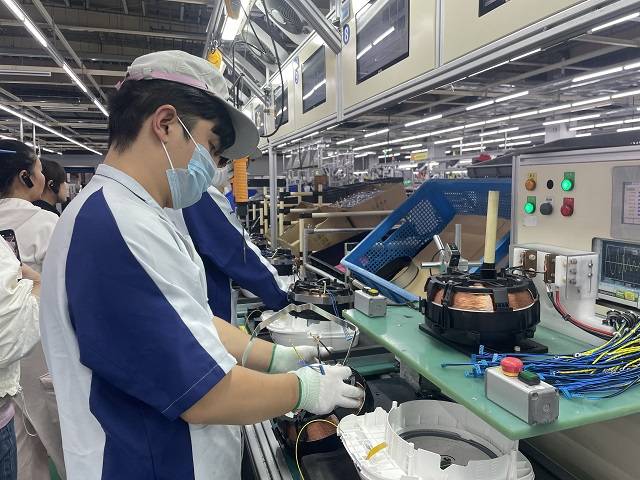
老板风神E1P烟灶

Search documents
以需定产,京东在家电制造端尝试“再深一点”
Guan Cha Zhe Wang· 2025-10-31 05:09
Core Insights - The collaboration between JD.com and home appliance brands represents a shift from traditional demand forecasting to data-driven product development, enhancing the efficiency of supply chain management [1][5][9] Group 1: Market Trends - JD.com has transformed the home appliance industry by utilizing data analytics to identify consumer needs, leading to the rapid development of popular products [1][5] - The launch of exclusive products like the Boss F1P and Panasonic Xtra rice cooker showcases the effectiveness of this new approach, with significant sales growth reported during the 11.11 shopping festival [2][4] Group 2: Product Development - The development of the Boss F1P involved analyzing over ten million user data points to address key consumer pain points such as ease of cleaning and noise reduction, resulting in a product that outperformed traditional market research methods [5][7] - Panasonic's collaboration with JD.com also focused on consumer feedback, leading to multiple iterations of product design to meet specific user demands [8][11] Group 3: Supply Chain Efficiency - JD.com's integration of user data into the product development process has improved its bargaining power with brands, allowing for better pricing and product offerings [11][12] - The partnership model has enabled brands like Panasonic to optimize production and reduce costs, benefiting both the company and consumers through lower prices and enhanced product features [9][12] Group 4: Strategic Partnerships - The relationship between JD.com and brands has evolved into strategic partnerships, focusing on long-term collaboration rather than short-term transactions [14][15] - This model allows for shared insights and resources, creating a win-win situation for both parties and enhancing JD.com's competitive edge in the supply chain [15][16] Group 5: Consumer Benefits - The new approach has resulted in high-quality products at competitive prices, shifting the focus from price competition to value competition in the home appliance sector [16][18] - Consumers benefit from innovative features and lower prices, as seen in the successful launch of the Q6 smart toilet, which broke sales records shortly after its release [11][12]


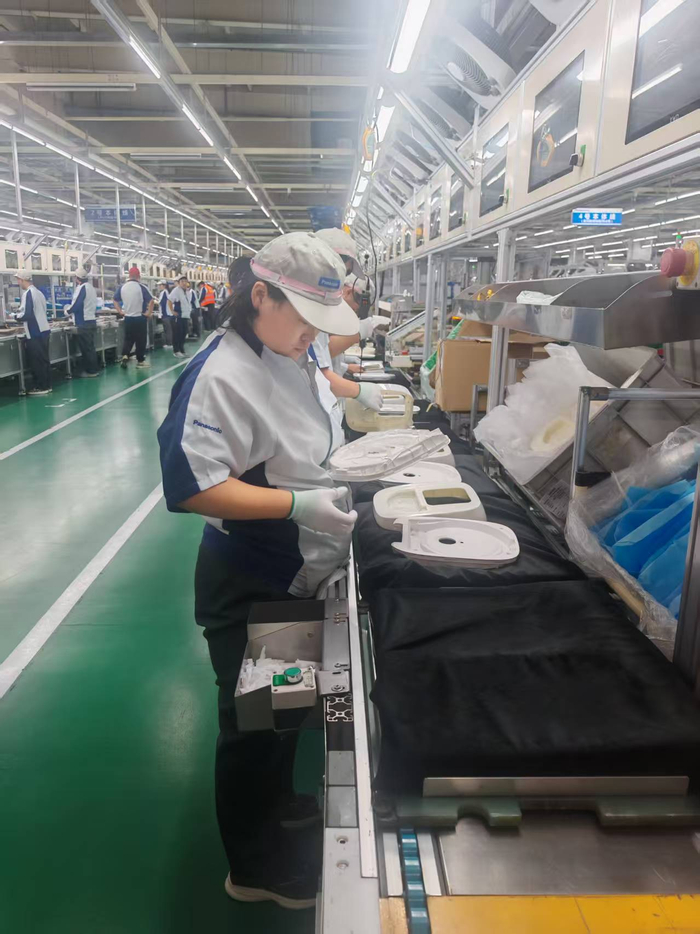
从工厂到爆款:京东携手老板松下打造“中国超级供应链”样本
Sou Hu Cai Jing· 2025-10-27 03:21
Core Insights - The article highlights the successful collaboration between JD.com and various home appliance brands in preparation for the 11.11 shopping festival, showcasing the effectiveness of the "exclusive co-creation model" in driving sales and product innovation [2][3][6] Group 1: Sales Performance - JD.com reported that over 2,000 home appliance brands achieved a transaction growth of over 100% year-on-year from the start of 11.11 until October 20, with new product sales increasing by 84% [2] - Specific product categories saw significant growth, such as self-cleaning range hoods with over 200% growth, and zero-coating rice cookers with a growth of 188% [2] Group 2: Product Development and Innovation - The development of the Boss E1P range hood was based on deep insights into user needs, leading to a sales figure of 7 million yuan within 28 hours of its launch on JD.com [3] - Panasonic's Xtra zero-coating rice cooker was developed in response to consumer demands for health, taste, and aesthetics, utilizing innovative technology to address common issues like sticking [3][4] Group 3: Consumer-Centric Approach - The Panasonic Q6 smart toilet focuses on essential user needs by eliminating redundant features while maintaining practical functionalities, priced competitively at 1,999 yuan [4] - JD.com and brands worked closely on marketing and operational strategies to maximize sales potential, with the Q6 achieving over 2,500 units sold within 28 hours of its launch [5] Group 4: Supply Chain Efficiency - The collaboration between JD.com and brands has led to the establishment of a highly efficient and transparent "Chinese Super Supply Chain," enhancing visibility across all production stages [5][6] - The exclusive co-creation model has evolved beyond traditional supply relationships, fostering a strategic partnership that integrates technology, product development, and logistics [5] Group 5: Future Outlook - The article suggests that the co-creation model may become a mainstream approach for collaboration between brands and platforms, optimizing user experience and enhancing product value [5][6]