耐克服装

Search documents
大摩:市场忽略耐克(NKE.US)业绩对申洲国际正面讯号 予目标价72港元
Zhi Tong Cai Jing· 2025-12-23 03:51
Group 1 - The market may have overlooked positive signals for Shenzhou International from Nike's performance, as Nike's apparel sales grew by 4% year-on-year, despite being lower than the previous quarter's 7% growth due to a high base effect [1] - Nike's apparel sales in North America and Europe recorded positive growth during the period, which is beneficial for Shenzhou International, as approximately 40% of its sales come from these regions [1] - In the Greater China region, Nike's apparel sales only declined by 6% year-on-year, significantly less than the 20% drop in footwear sales; this region now accounts for only 11% of Nike's total sales, limiting its impact on Shenzhou International [1] Group 2 - Morgan Stanley's report indicates that Nike's Q2 FY2026 performance negatively affected Shenzhou International's stock performance; however, the market tends to view Shenzhou International as a representative of the domestic sportswear sector in China, while over 75% of its sales come from markets outside China, suggesting resilience in other markets [2] - The recent decline in Shenzhou International's stock price presents a good buying opportunity, with a target price set at HKD 72 and a rating of "Overweight" [2]

大摩:市场忽略耐克(NKE.US)业绩对申洲国际(02313)正面讯号 予目标价72港元
智通财经网· 2025-12-22 03:30
Core Viewpoint - Morgan Stanley's report indicates that Nike's Q2 FY2026 performance negatively impacted the stock performance of Shenzhou International, but the latter is positioned to benefit from resilience in markets outside China [1] Group 1: Nike's Performance - Nike's apparel sales grew by 4% year-over-year at constant currency, although this is lower than the previous quarter's 7% growth due to a high base effect [1] - Apparel sales in North America and Europe recorded positive growth during the period, which is beneficial for Shenzhou International as approximately 40% of its sales come from these regions [1] - In Greater China, Nike's apparel sales declined by only 6% year-over-year, significantly better than the 20% drop in footwear sales; this region now accounts for only 11% of Nike's total sales, limiting its impact on Shenzhou International [1] Group 2: Shenzhou International's Outlook - The market tends to view Shenzhou International as a representative of the domestic sportswear sector in China, but over 75% of its sales come from markets outside China, suggesting it may benefit more from resilience in other markets [1] - The recent decline in Shenzhou International's stock price presents a good buying opportunity, with Morgan Stanley setting a target price of HKD 72 and an "Overweight" rating [1]
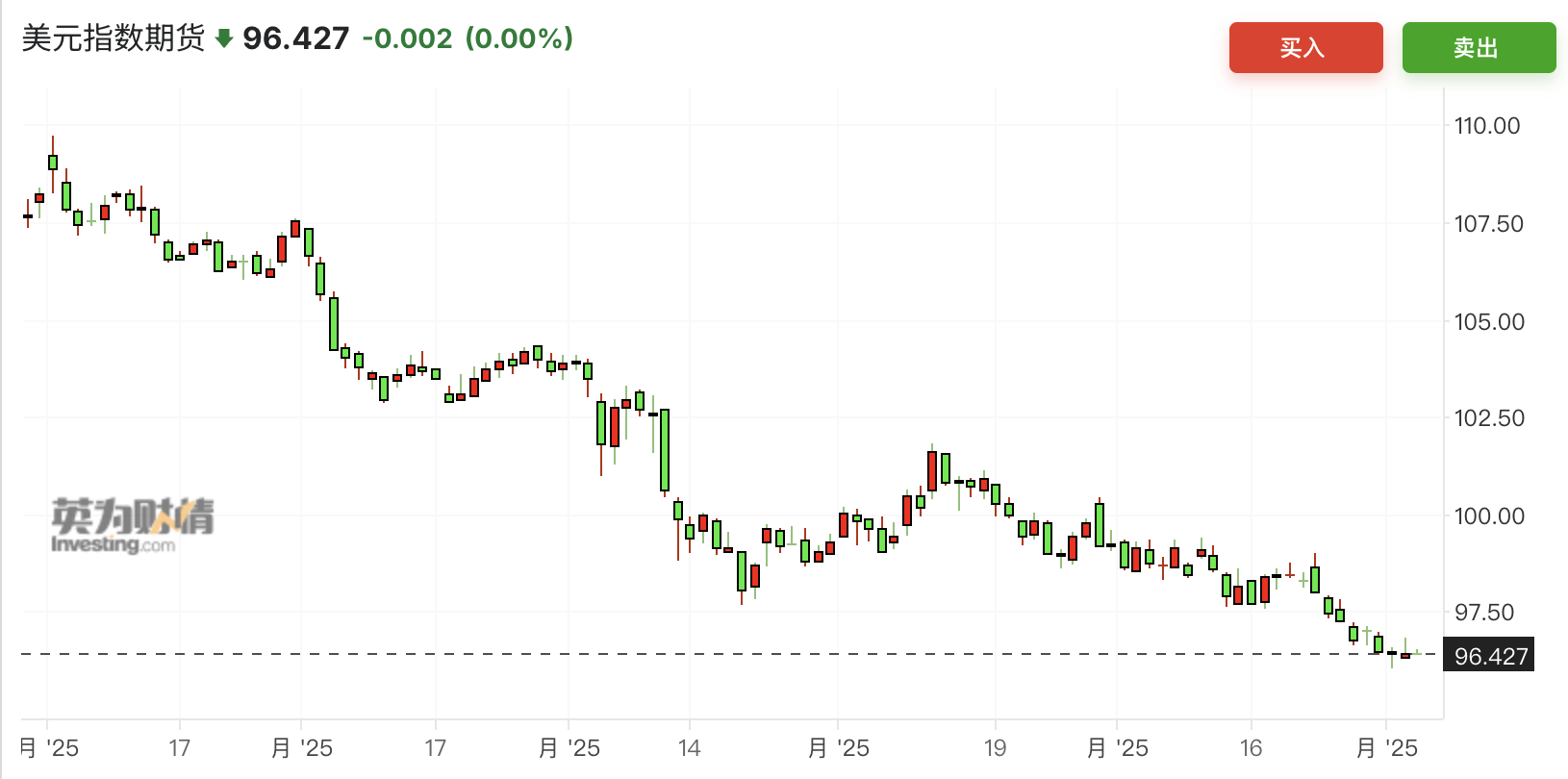
关税“大限”逼近,弱美元延续,人民币汇率正迈向7.1
Di Yi Cai Jing· 2025-07-03 12:48
Group 1: Currency Trends and Impacts - The potential for the USD/CNY exchange rate to fall within the 7.1 to 7.15 range may lead exporters to convert more USD deposits back to RMB, with estimates suggesting that up to $100 billion of the $700 billion held by exporters could be exchanged [1][16] - The recent appreciation of the RMB against the USD has been notable, with the central parity rate reaching 7.1523 on July 3, indicating a significant upward trend [1][13] - Analysts suggest that the ongoing structural weakness of the USD, influenced by potential interest rate cuts by the Federal Reserve and European fiscal stimulus measures, is contributing to the RMB's strength [1][8] Group 2: Trade Negotiations and Tariffs - The U.S. has announced a 20% tariff on Vietnamese goods, while Vietnam has proposed zero tariffs on U.S. products, indicating a complex trade relationship that could impact both economies [3] - The EU and U.S. negotiations are tense, with no substantial progress on the proposed 20% "reciprocal" tariffs, and the automotive sector remains a core point of contention [4] - Canada and the U.S. are working towards a trade agreement, with key issues including steel tariffs and automotive duties still unresolved [4][5] Group 3: Market Reactions and Economic Outlook - The U.S. stock market has shown resilience, reaching new highs despite ongoing trade uncertainties, attributed to the belief that extreme government actions are limited by economic fundamentals [7] - The global supply chain's stability is emphasized, with concerns that disruptions could lead to inflation and economic pressures, particularly in the context of U.S.-China trade relations [7] - The Euro has strengthened significantly against the USD, with a nearly 10% appreciation noted, reflecting broader market trends and currency dynamics [8][10]