肯德基食物驿站

Search documents
肯德基食物驿站实现北京十六区全覆盖
Bei Jing Shang Bao· 2025-12-05 13:29
Group 1 - The core point of the article highlights the opening of KFC's 600th store in Beijing, which features a "three-in-one" model including KFC, K COFFEE, and KPRO, showcasing the brand's innovative development in collaboration with the city over the past year [1] - The newly opened store also marks the launch of KFC's 60th food station in Beijing, achieving complete coverage across all 16 districts in the city [1] - KFC's food station initiative, started in 2020, aims to reduce food waste by providing surplus food to those in need, specifically targeting food that is past its best before date but still safe to consume [1] Group 2 - The food stations collect surplus food generated daily, package it, and distribute it with consumption guidelines to individuals in need [1] - KFC has expanded its food station initiative to over 1,000 locations across 180 cities in China, reflecting its commitment to social responsibility and community support [1]

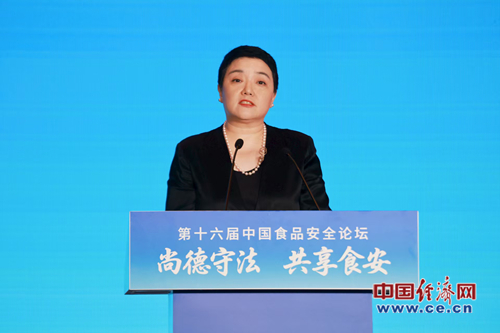
百胜中国刘丽:探索反食品浪费公益之路,“食物驿站”构建管理新范式
Zhong Guo Jing Ji Wang· 2025-09-15 05:57
Group 1 - The core theme of the 16th China Food Safety Forum is "Honesty and Lawfulness, Sharing Food Safety," emphasizing the importance of food safety and waste reduction in the food industry [2] - KFC, a subsidiary of Yum China, has integrated food waste reduction into its brand development strategy, establishing a new paradigm for food surplus management in the restaurant industry through its "Food Station" initiative [2][3] - The Chinese government has implemented a series of policies to combat food waste and ensure food security, including the 2021 Anti-Food Waste Law and the 2024 Action Plan for Food Conservation and Anti-Food Waste [2] Group 2 - KFC launched the "Food Station" initiative in 2020, initially in Shenzhen and Guangzhou, to provide surplus food that is past its best-before date but still safe for consumption to those in need [3] - Over five years, KFC has improved the operational model of the "Food Station" through technology, standardizing processes and training employees to ensure proper handling of surplus food [3] - By mid-2025, KFC's Food Stations will have expanded to over 1,050 locations across more than 180 cities, achieving significant growth in its outreach [4] Group 3 - KFC aims to continue its sustainable practices by adhering to national policies on food conservation and waste reduction, focusing on demand-driven production, reduced packaging, and waste management [4][5] - The company plans to enhance the influence of the Food Station model and engage more communities in environmental initiatives, contributing to sustainable social development [5] - Yum China operates over 16,000 restaurants across six brands in more than 2,400 towns in mainland China, making it the largest restaurant company in the country [5]

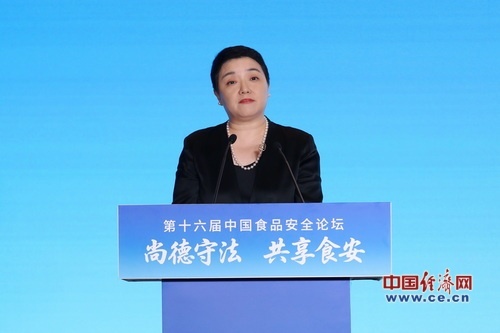
百胜中国刘丽:“食物驿站”建立餐饮行业余量食物管理新范式
Zhong Guo Jing Ji Wang· 2025-09-11 10:58
Group 1 - The core theme of the 16th China Food Safety Forum is "Honesty and Lawfulness, Sharing Food Safety," highlighting the importance of food safety and waste reduction in the food industry [2] - KFC, a brand under Yum China, has integrated food waste reduction into its brand development strategy, establishing a new model for managing surplus food in the restaurant industry through its "Food Station" initiative [2][3] - The Chinese government has implemented a series of policies to combat food waste and ensure food security, including the 2021 Anti-Food Waste Law and the 2024 Action Plan for Food Conservation and Anti-Food Waste [2] Group 2 - Since its launch in 2020, KFC's "Food Station" initiative has expanded to over 1,050 stores across more than 180 cities by June 2025, demonstrating significant growth in its operations [4] - The initiative focuses on collecting, packaging, and freezing surplus food that is still within its shelf life, providing it for free to those in need, thereby contributing to environmental sustainability [3][4] - KFC aims to continue enhancing the influence of the "Food Station" model and attract more participants to the environmental protection cause, aligning with its sustainable development philosophy [5]