腾势Z跑车

Search documents
投资者提问:比亚迪设定了2026年海外销量160万辆的目标,较2025...
Xin Lang Cai Jing· 2026-01-14 04:32
Group 1 - BYD has set a target of 1.6 million overseas sales by 2026, a significant increase from 1 million in 2025, supported by local production capacity in Brazil and Hungary, which is expected to add 300,000 units of annual capacity [1] - The company plans to launch several new models in 2026, including the Ocean Network's Seal 08 and Lion 08 flagship models, the Dynasty Network's Qin MAX electric sedan, and the Tengshi brand's Tengshi Z sports car [1] - Tongda Power is a significant customer of BYD, and the company has received a substantial order worth billions [1]


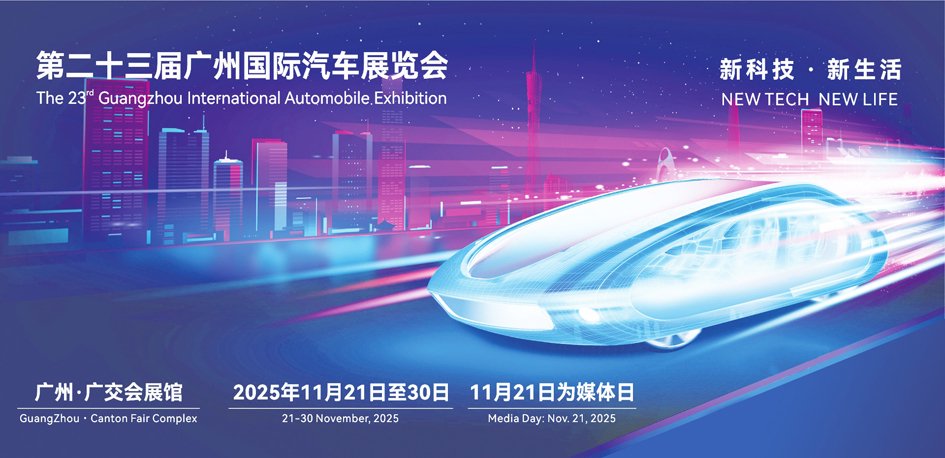
2025广州车展今日启幕 展车超千辆
Mei Ri Jing Ji Xin Wen· 2025-11-20 12:57
Core Insights - The 2025 Guangzhou International Auto Show, known as a "barometer" for the automotive industry, opened on November 21, 2023, focusing on cutting-edge technologies and industry trends [1][3] - The theme of the exhibition is "New Technology, New Life," covering an area of 220,000 square meters with 1,085 vehicles on display, including 93 new car launches and 629 new energy vehicles, which account for nearly 58% of the total [3] Industry Trends - The penetration rate of new energy vehicles (NEVs) in China has entered an "accelerated sprint" phase, with cumulative sales reaching 12.943 million units in the first ten months of 2023, a year-on-year increase of 32%, and a market penetration rate exceeding 52.9% [3][4] - Domestic brands are increasingly dominating the market, with a retail market share of 65% in the first ten months of 2023, up 5.5 percentage points from the previous year [4][5] Brand Dynamics - Major domestic brands like BYD and GAC Group showcased their latest models and innovations, with BYD again taking a significant exhibition space and launching new models in the performance car segment [4][5] - Some luxury brands have been absent from the show due to low market interest and brand visibility, indicating a growing divide in brand performance within the industry [5][6] Competitive Landscape - Joint venture brands are launching counter-offensives by integrating into local supply chains and introducing products tailored to the Chinese market, with several new models unveiled at the show [8][9] - The competition is expected to intensify, leading to a "stronger get stronger" scenario, where weaker brands may struggle to survive [6][8] Supply Chain and Technology - The exhibition also highlighted the increasing role of core supply chain companies, such as battery and intelligent solution providers, who are becoming key players in shaping industry standards [10][11] - Companies like Huawei and CATL participated prominently, indicating a shift towards collaboration in the automotive ecosystem [10][11]