腾讯混元3D3.0模型

Search documents
AI生成的手办图想变成实物 拓竹腾讯联手把这件事搞定了
Feng Huang Wang· 2025-12-12 03:21
Core Insights - The collaboration between拓竹 and Tencent has led to the launch of a new 3D model generator named "印你," aimed at simplifying the 3D modeling process for ordinary users through AI technology [1][2] - The underlying technology from Tencent's mixed Yuan 3D 3.0 model has improved modeling precision by three times compared to its predecessor, achieving a geometric resolution of 1536 and supporting ultra-high-definition modeling with up to 36 billion voxels [1] Group 1 - The new 3D-DiT hierarchical carving technology addresses common issues in AI-generated models, such as facial abstraction and detail blurriness, allowing for precise reconstruction of facial contours and clear presentation of sharp details like joints and mechanical edges [1] - The "印你" tool on the MakerWorld platform significantly simplifies the traditional figurine production process, enabling users to convert a 2D image into a 3D model by simply uploading a portrait [1] - The process includes generating a 2D stereoscopic image, automatic background removal, and stylization, ultimately producing a 3D model file that accurately reflects the face, clothing, and posture, ready for direct printing [1] Group 2 - The拓竹 MakerLab platform has launched 20 modeling tools, including "印你," serving over 2 million users globally [2] - This partnership signifies the acceleration of top-tier generative AI technology from laboratory settings to consumer applications, indicating a reduction in design cycles and a substantial release of personalized creative capabilities for 3D printing enthusiasts [2]



腾讯混元3D3.0模型落地 游戏AI“军备赛”步入深水区
Mei Ri Jing Ji Xin Wen· 2025-09-17 09:37
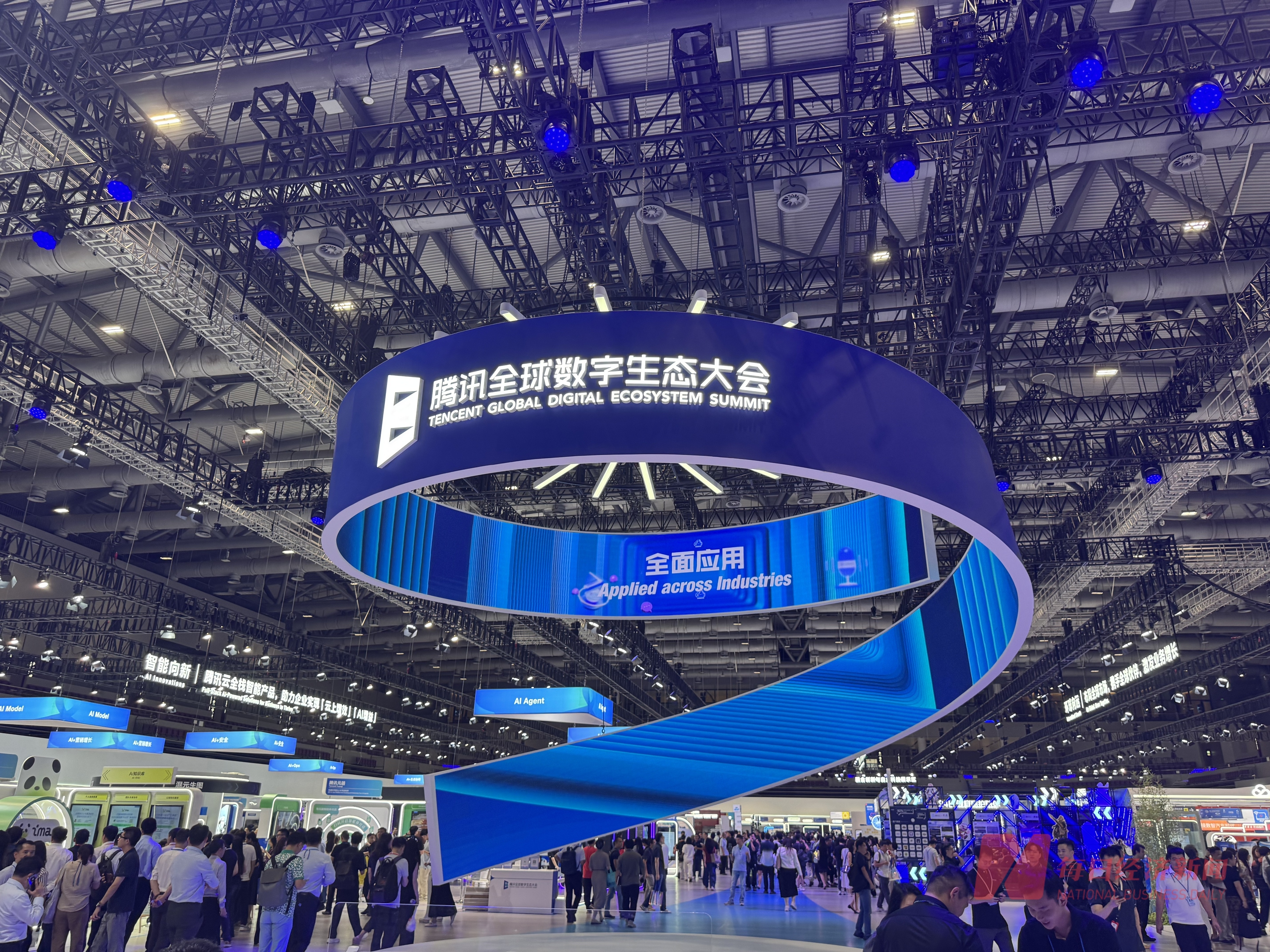
Core Insights - Tencent officially launched the mixed yuan 3D 3.0 model at the "2025 Tencent Global Digital Ecosystem Conference," significantly improving modeling accuracy by three times compared to the previous version, enhancing character and complex detail generation [1] - The introduction of the mixed yuan 3D Studio aims to streamline the 3D production pipeline, addressing high production costs and inefficiencies in traditional 3D development [1][4] - The gaming industry is experiencing a resurgence, with the A-share gaming sector recovering since 2025, driven by deep integration of AI technology [1][4] Industry Trends - The Chinese gaming market achieved a sales revenue of 168 billion yuan in the first half of 2025, marking a 14.08% year-on-year growth, with a user base reaching 679 million [4] - Game companies face challenges such as high R&D costs, slowing user growth, and content creativity saturation, necessitating efficient content creation and global distribution solutions [4] - AI applications in gaming are enhancing production efficiency, with Tencent's mixed yuan platform offering capabilities like image-to-video generation and one-click animation [4][5] Technological Advancements - The mixed yuan 3D 3.0 model has improved structural details in character facial expressions and clothing folds, achieving industry-leading usability in cartoon character creation [4] - Tencent's AI code assistant, CodeBuddy, facilitates collaboration throughout the coding process, enhancing overall development efficiency [4][5] - AI is transforming the production model in the gaming industry, allowing for independent high-quality game demos and reducing the need for large development teams [10] User Engagement and Market Dynamics - AI is expected to drive a new wave of user engagement by lowering barriers to entry for non-gamers, expanding the gaming audience [7] - Different user groups exhibit varying acceptance levels of AI-generated content, with core players valuing emotional connection and creativity, while casual users prioritize convenience and entertainment [8] - The potential for monetization among new user groups is evident, with high interest in virtual idols and AI companionship products [8] Organizational Changes - The gaming industry's organizational structure is evolving from a hierarchical model to a more collaborative, networked approach, enabling smaller teams and individuals to compete creatively [10] - Talent requirements are shifting, with a focus on individuals who can navigate AI tools and possess strong aesthetic judgment [11] - AI is not seen as a replacement for human creativity but as a means to enhance the creative process, necessitating a balance between technology and artistic value [12]