自动化码头系统

Search documents
善作善成 和合共生
Zhong Guo Zi Ran Zi Yuan Bao· 2026-01-06 04:36
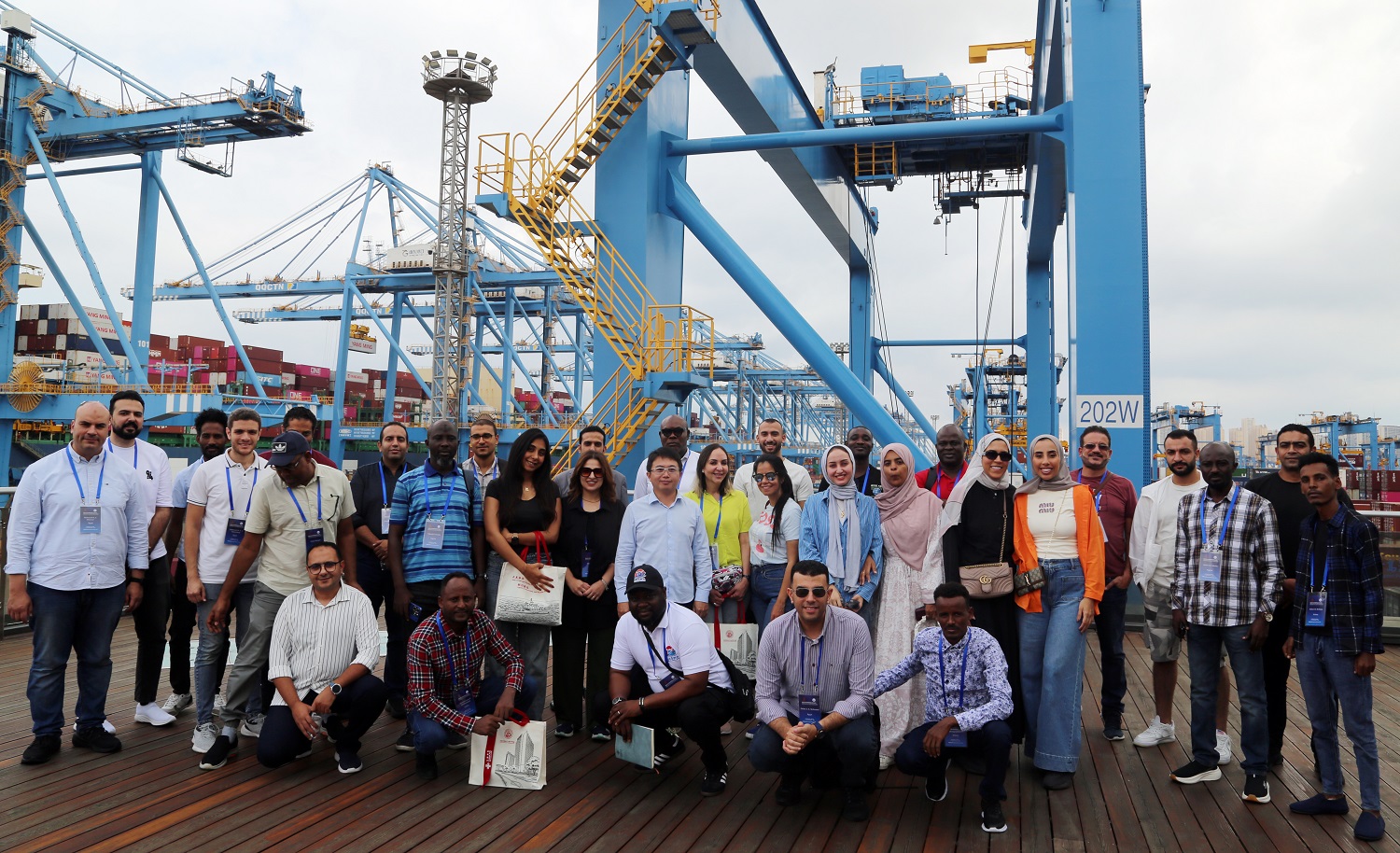
Core Insights - The training program organized by the Second Institute of Oceanography under the Ministry of Natural Resources aims to enhance marine observation technology and concepts among participants from nearly 20 countries, contributing to the construction of a "marine community of shared future" [3][4] Group 1: Training Program Overview - The program consists of four sessions in 2025, supported by the Ministry of Commerce, focusing on practical training in marine observation technology [3] - A diverse teaching approach is employed, including theoretical lectures, case studies, and field visits, to provide effective training for participants [3][4] Group 2: Course Content and Reception - Courses are tailored to meet the core development needs of participating countries, covering topics such as sea level monitoring, coastal adaptation, marine observation forecasting, ecological governance, and disaster monitoring [3] - The course on "Global Sea Level Change Characteristics under Climate Change" was particularly well-received, addressing the real challenges faced by ASEAN countries [3] Group 3: Practical Learning Experiences - Each training session includes hands-on learning opportunities, allowing participants to visit research vessels and key laboratories, and experience China's innovations in marine technology and green development [4] - Participants expressed admiration for the automation and smart logistics systems at Qingdao Port, highlighting the value of China's development experience [4] Group 4: Institutional Support and Future Cooperation - The training program has received recognition from the Ministry of Commerce and the Ministry of Natural Resources, emphasizing the importance of knowledge sharing and cooperation among developing countries [4] - Future initiatives will focus on deepening practical cooperation in technical support, joint research, and talent cultivation, aiming to establish a regular cooperation mechanism for sustainable marine development [5]

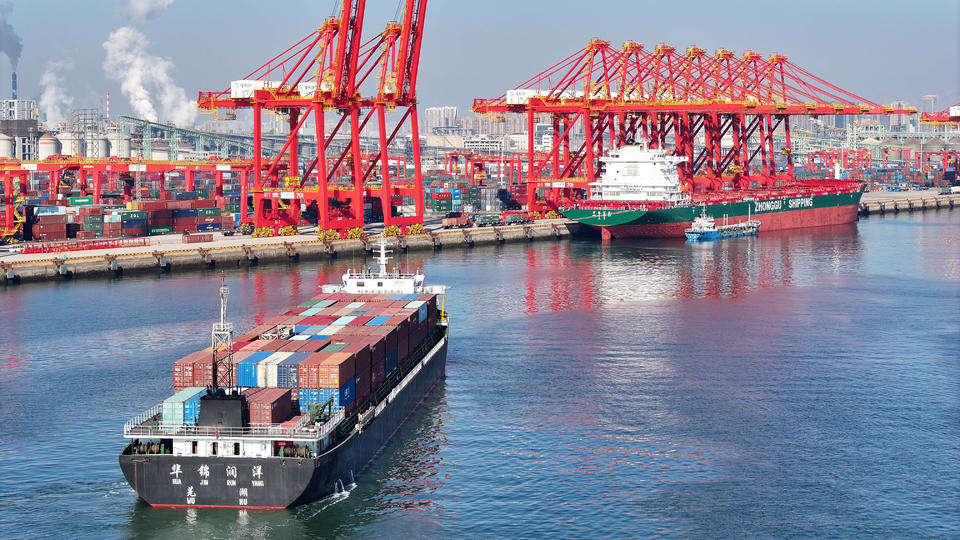
一个港口的静默“科技革命”
Qi Lu Wan Bao· 2025-05-21 00:45
Core Insights - The modernization of Rizhao Port is transforming it into a highly efficient automated port, significantly increasing cargo throughput and optimizing operational efficiency [1][6] - The port's innovative open design contrasts with the global trend of vertical closed automated terminals, resulting in a 70% reduction in comprehensive costs [3][4] - The integration of advanced technologies such as remote-controlled cranes and autonomous vehicles is enhancing operational efficiency and reducing labor costs [6][8] Group 1: Automation and Efficiency - The automated terminal at Rizhao Port has achieved a 50% increase in average efficiency per machine and an 80% reduction in labor costs [6] - The port handled a total cargo throughput of 552 million tons in 2024, marking a 5.7% year-on-year increase, while container throughput reached 6.71 million TEUs, up 11.8% [6] - The implementation of a remote control system allows a single operator to manage up to 10 devices simultaneously, significantly increasing productivity [8] Group 2: Innovative Design - Rizhao Port's open design allows both social and autonomous vehicles to access the terminal, avoiding the need for costly infrastructure redevelopment [3][4] - This design choice enables the port to maintain its existing logistics framework while integrating automation, thus avoiding disruption to operations [4] Group 3: Technological Advancements - The port is leveraging AI and 5G technology to enhance operational stability and efficiency, including the development of a private cloud platform for resource management [9][11] - A dual-redundancy network has been established to ensure stable communication for autonomous vehicles, enhancing operational reliability [11] Group 4: Talent Transformation - The shift towards automation is transforming the workforce from reliance on manual labor to a focus on technical skills, with traditional drivers transitioning to roles as system monitors and equipment operators [8][12] - The average age of the technical team is in their 30s, reflecting a younger, tech-savvy workforce dedicated to advancing the port's technological capabilities [12]