自然语言处理(NLP)技术

Search documents
如何打击线上低价产品链接(技术管控)
Sou Hu Cai Jing· 2026-01-05 21:20
Core Viewpoint - The proliferation of low-priced online product links severely erodes brand profit margins, disrupts channel ecosystem balance, and may damage brand reputation due to low-quality products. Technology-driven control systems are essential for combating these issues through precise identification and real-time response [1]. Group 1: Monitoring and Detection - Real-time comprehensive monitoring is crucial for combating low-priced links, as traditional manual inspections cannot cover diverse platforms like Taobao, JD.com, Pinduoduo, and live-streaming e-commerce. Intelligent crawling systems can perform 24/7 scans to capture core data such as product titles, prices, and promotional information [3]. - A three-tier early warning mechanism can be established, with alerts set for prices below the suggested retail price by 15% (yellow alert), 30% (red alert), and below cost price (black alert), ensuring timely detection of various levels of violations [3]. - AI image recognition technology can effectively identify hidden low-price traps, such as merchants using "dark discounts" or misleading promotions. By creating a visual feature library for brands, the system can detect violations with over 90% accuracy [3]. Group 2: Efficient Handling and Source Traceability - In the handling phase, a data platform can link price control systems with enterprise ERP. Upon detecting a violation, an evidence package can be automatically generated and submitted to the platform's intellectual property protection channel, significantly enhancing complaint efficiency [4]. - For repeat offenders, big data correlation analysis can identify associated stores sharing the same IP or legal entity, enabling comprehensive governance [4]. - Blockchain traceability technology can assign a unique digital identity to each product, allowing tracking of its circulation path and pinpointing the source of low-priced links from the supply chain [4]. Group 3: Integrated Technological Control - Effective technological control is not merely about using individual tools but constructing a collaborative system. Brands need to integrate crawling monitoring, AI recognition, and blockchain traceability, aligning with platform rules and channel management to shift from passive link deletion to proactive disorder prevention [4]. - By making technology the "guardian" of price order, brands can strengthen their value defenses and maintain a healthy online commercial ecosystem [4].


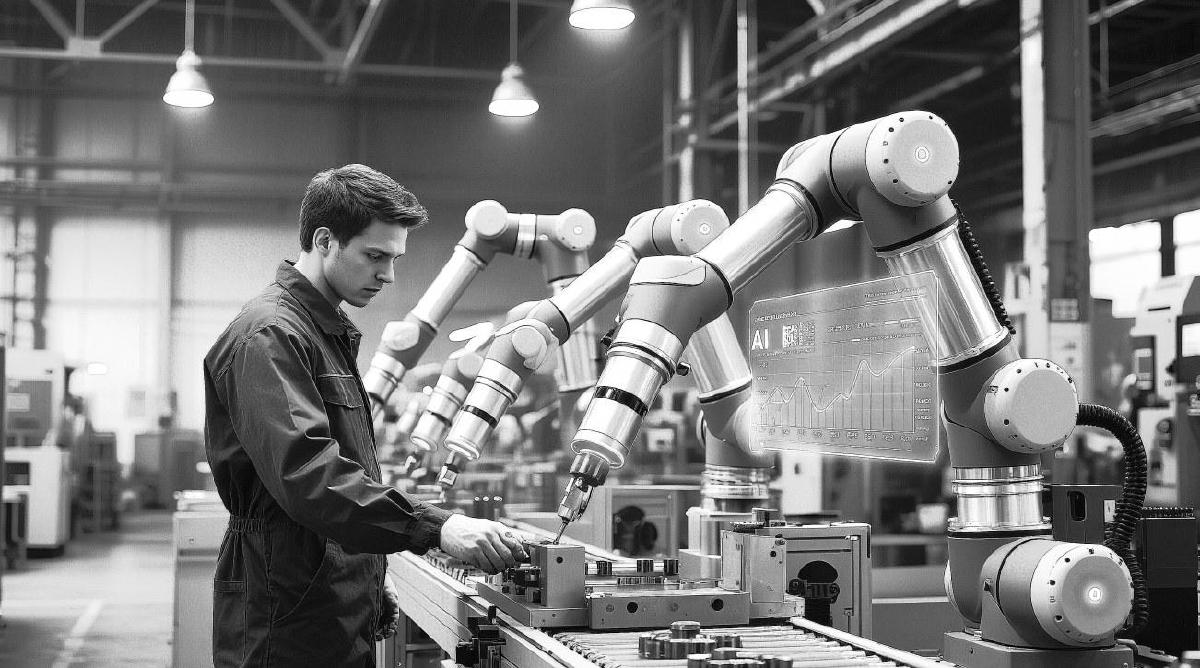
AI驱动,制造业迎来“智变”(附图片)
Xin Lang Cai Jing· 2025-09-08 00:26
Core Insights - The article emphasizes the rapid expansion of artificial intelligence (AI) across global industries, particularly in manufacturing, which is undergoing a transformation from automation to autonomy [2] - AI's evolution is marked by significant milestones, including the transition from philosophical inquiries about machine intelligence to practical applications that permeate daily life [3] - The manufacturing sector is identified as a strategic high ground for AI technology implementation, with a focus on enhancing production methods and business models through deep integration of AI [7] AI Evolution - AI has progressed through various stages, starting from philosophical discussions to practical applications, with notable breakthroughs such as deep learning in image recognition and AlphaGo's victory over a world champion [3][4] - The current phase of AI development involves three stages: initial training with vast data, advanced training through reinforcement learning, and high-level training in real-world scenarios [4] Manufacturing Industry Transformation - The manufacturing industry has evolved from manual production to intelligent manufacturing, with significant shifts occurring post-industrial revolutions, leading to increased automation and precision [5] - The article outlines four major historical shifts in global manufacturing, highlighting the need for industry transformation and the role of AI in driving this change [6] Development Recommendations - The integration of AI in manufacturing is crucial for achieving high-quality development, necessitating technological innovation and overcoming existing technical bottlenecks [7] - Key technologies for AI agents include large language models, machine learning, and various supporting technologies such as computer vision and cloud computing [8] Infrastructure and Data Strategy - A collaborative layout of computing power and data is essential, focusing on optimizing the synergy between models, systems, and hardware to enhance AI applications in manufacturing [9] - The article advocates for the construction of a robust data foundation to support AI model training, emphasizing the transition from traditional data delivery to data-driven business actions [9] Ecosystem Development - A collaborative effort among government, industry, academia, and research is necessary to foster an AI-enabled manufacturing ecosystem, facilitating the rapid conversion of research into practical applications [10] - The establishment of AI future manufacturing demonstration zones aims to integrate national strategic needs with regional advantages, enhancing competitiveness in the global market [10] Implementation of AI in Manufacturing - The focus on creating benchmark cases in key areas such as smart factories and supply chains is highlighted, with examples of using AI for real-time monitoring and optimization of production processes [11] - Future trends indicate that AI will increasingly penetrate core manufacturing processes, leading to a shift from passive responses to proactive optimization in production models [12]