致控防爆超高性能轮胎

Search documents
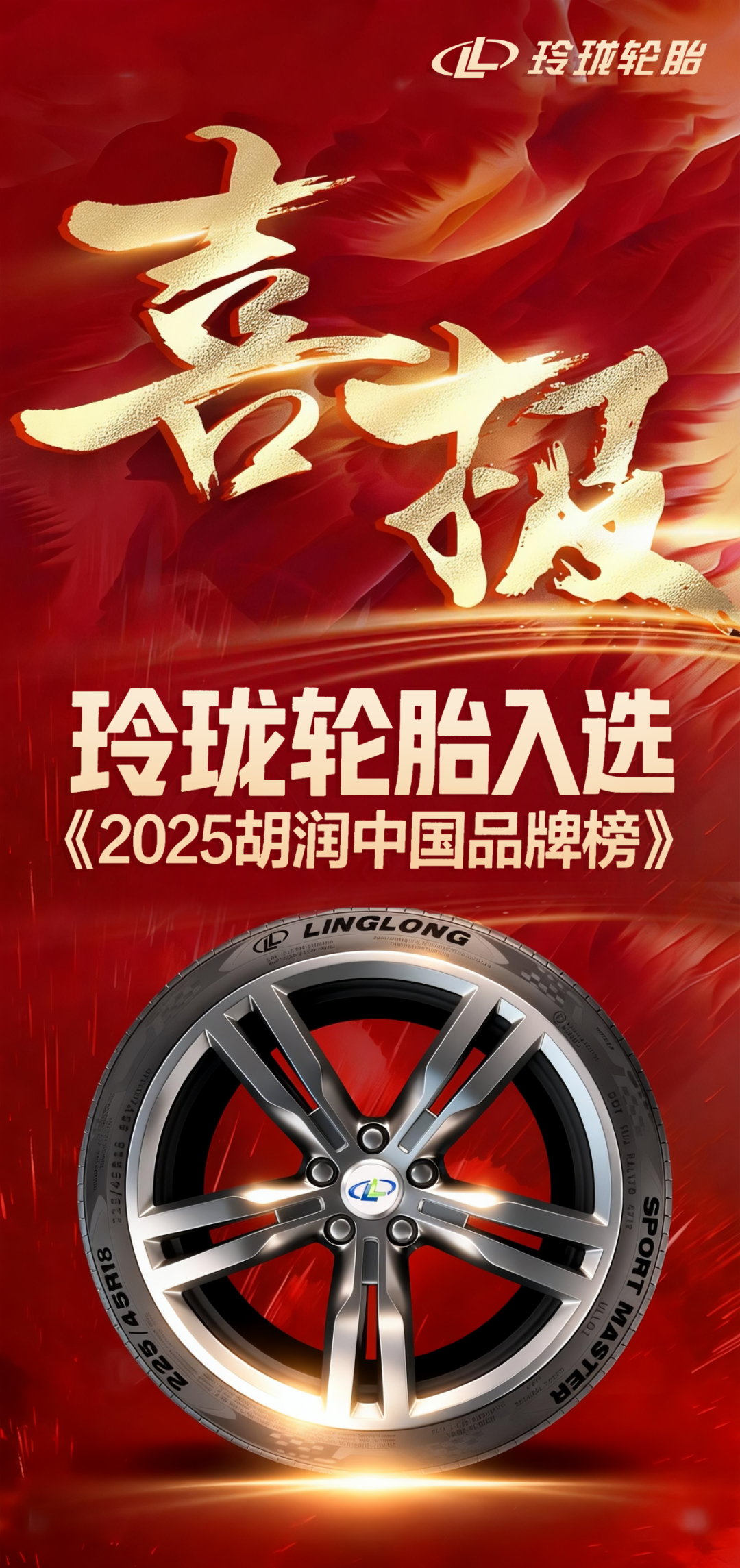
玲珑轮胎强势上榜!
Xin Lang Cai Jing· 2026-02-10 06:44
Core Insights - Linglong Tire has been recognized in the "2025 Hurun China Brand List" for its strategic foresight, product strength, responsibility, and global brand resonance, marking it as a typical example of the rising value of Chinese manufacturing in global competition and high-quality development [1][10] Global Strategy - Linglong Tire is launching a production base in Brazil in 2025, marking its third overseas factory after Thailand and Serbia, and the first entry of a Chinese tire manufacturer into the South American market [3][13] - This initiative enhances Linglong's "7+5" global strategic layout, significantly improving supply chain resilience and promoting Chinese tire manufacturing standards and management efficiency globally [3][13] Product Development - The company is committed to a high-end product strategy, launching two significant new products in 2025: the Linglong Master All-Terrain R/T tire and the Linglong Control Puncture-Resistant High-Performance tire [3][14] - Linglong has established a comprehensive high-end product system covering various segments, including urban SUVs, luxury cars, and off-road tires, which enhances brand premium capability and market presence [3][14] Sustainability Initiatives - Linglong Tire integrates sustainable development into its operations, focusing on four core areas: "Green Linglong, Smart Linglong, Harmonious Linglong, and Steady Linglong," with an emphasis on low-carbon innovation and compliance [6][16] - The company has developed a carbon footprint accounting system covering the entire product lifecycle, enhancing compliance management and adding a "responsibility premium" to the brand [6][16] Brand Communication - The company employs a three-pronged strategy of brand strategy upgrade, sports marketing penetration, and content enhancement to strengthen brand communication [8][18] - Linglong has established clear positioning for its six international brands, focusing on sustainability and youthfulness, while deepening partnerships with top global sports clubs to enhance emotional connections with consumers [8][18]


鲁股观察 | 营收增长净利反降, 玲珑轮胎以全球化布局谋突围
Xin Lang Cai Jing· 2025-09-03 05:21
Core Viewpoint - Shandong Linglong Tire Co., Ltd. reported a revenue increase of 13.80% in the first half of 2025, but faced a decline in net profit due to high raw material costs and increased competition in the tire industry [1][4]. Revenue and Profit Analysis - The company achieved a revenue of 11.812 billion yuan, marking a year-on-year growth of 13.80% [1][4]. - However, the net profit attributable to shareholders was 854 million yuan, reflecting a year-on-year decrease of 7.66% [1][4]. - The non-recurring net profit was 772 million yuan, with a more significant decline of 16.86% [4]. Cost and Expense Factors - The operating cost reached 9.981 billion yuan, increasing by 24.44%, which significantly outpaced revenue growth and squeezed profit margins [6]. - Raw material prices remained high, with natural rubber STR20 averaging 1,905 USD per ton in the first half of 2025, up 14.63% compared to the same period last year [6]. - Sales expenses surged to 416 million yuan, a year-on-year increase of 49.16%, primarily due to higher advertising and sales service costs [8]. Global Expansion Strategy - The company is accelerating its global layout by initiating an investment project in Brazil, planning to invest 1.19 billion USD (approximately 8.71 billion yuan) to build a tire factory [10]. - The Brazilian facility aims for an annual production capacity of 14.7 million tires, including 12 million semi-steel radial tires and 2.4 million all-steel radial tires [10]. - This move is strategic for entering the local automotive market and leveraging tariff agreements to access the broader Latin American replacement market [10][12]. Future Outlook - The company anticipates a potential easing of raw material pressures in the second half of the year, with natural rubber prices declining from their peak [11]. - Linglong Tire is exploring three main strategies to overcome industry challenges: nearshore manufacturing to avoid trade barriers, focusing on high-value-added products, and channel transformation to enhance distributor profitability [11][12].