
产品高端化

Search documents
吉利汽车:预计产品高端化及出海将助力盈利稳定增长-20260322
Orient Securities· 2026-03-22 06:24
Investment Rating - The report maintains a "Buy" rating for the company [3][6] Core Views - The company's profitability is expected to stabilize and grow due to product premiumization and international expansion [2][10] - The company forecasts net profits for 2026-2028 to be 20.48 billion, 25.94 billion, and 30.81 billion RMB respectively, with a target price set at 20.79 RMB or 23.65 HKD [3][10] Financial Summary - Revenue projections for 2024A to 2028E are as follows: 275.91 billion, 345.23 billion, 421.56 billion, 488.32 billion, and 580.92 billion RMB, with year-on-year growth rates of 25.1%, 22.1%, 15.8%, and 19.0% respectively [5][11] - Operating profit is expected to grow significantly, with figures of 6.68 billion, 17.66 billion, 22.91 billion, 29.40 billion, and 35.10 billion RMB for the same years, reflecting growth rates of 164.4%, 29.8%, 28.3%, and 19.4% [5][11] - The gross margin is projected to improve slightly, reaching 16.8% in 2026 and 17.2% in 2027 and 2028 [5][10] - The company aims to sell 302.46 million vehicles in 2025, a 39.0% increase year-on-year, with electric vehicle sales expected to reach 168.78 million, a 90.0% increase [10] Market Performance - The company's stock price as of March 20, 2026, was 19.52 HKD, with a 52-week high of 20.78 HKD and a low of 12.7 HKD [6] - The report indicates that the company's absolute performance over the past week, month, and year has been positive, with respective increases of 12.18%, 16.19%, and 9.07% [7] Strategic Initiatives - The company is focusing on high-end product development and international market expansion, with plans to launch new models and technologies in the coming years [10] - The export volume is expected to grow significantly, with a target of 640,000 units in 2026, representing a 52% increase [10]

吉利汽车2025年总销量突破300万辆 吉利汽车在销量增长的同时,也呈现出经营效率改善的特征
Zheng Quan Ri Bao· 2026-03-20 03:01
Core Viewpoint - Geely Automobile achieved significant growth in 2025, with total sales reaching 3.025 million units, a 39% year-on-year increase, marking the first time surpassing 3 million units [2] Group 1: Financial Performance - Total revenue for 2025 was CNY 345.2 billion, reflecting a 25% year-on-year growth [2] - Core net profit attributable to shareholders was CNY 14.41 billion, up 36% year-on-year [2] - New energy vehicle sales reached 1.688 million units, a remarkable 90% increase, with the annual new energy penetration rate exceeding 50% for the first time [2] Group 2: Business Structure and Strategy - Geely's business structure in 2025 showed a strong performance across various brands, with Galaxy brand sales at 1.236 million units, a 150% increase, and Lynk & Co sales at 350,000 units, up 23% [3] - The company maintained resilience in fuel vehicle sales, with 1.314 million units sold, leading the Chinese independent brand fuel vehicle market [3] - Geely continues to pursue a multi-faceted energy strategy, integrating fuel, hybrid, extended-range, pure electric, and methanol technologies, providing strong volatility resistance [3] Group 3: Future Focus Areas - The company aims to enhance its focus on intelligence, product premiumization, and globalization as key growth areas [4] - Geely plans to export 420,000 vehicles in 2025, including 124,000 new energy vehicles, a 240% increase, with a target of 640,000 exports in 2026 [4] - The transition to a localized global strategy will involve a shift from trade-based exports to a comprehensive local supply chain approach [4]
吉利汽车2025年总销量突破300万辆
Zheng Quan Ri Bao Zhi Sheng· 2026-03-19 16:42
Core Insights - Geely Automobile achieved significant growth in 2025, with total sales reaching 3.025 million units, a 39% increase year-on-year, and total revenue of 345.2 billion yuan, up 25% [1] - The company reported a core net profit of 14.41 billion yuan, marking a 36% increase, and electric vehicle sales reached 1.688 million units, a 90% increase, with a new energy penetration rate exceeding 50% for the first time [1] - Geely's CEO emphasized that the focus has shifted from merely launching popular models to integrating multiple brands, platforms, and technologies into a more efficient system, highlighting the importance of systemic capability in a competitive environment [1] Sales and Market Performance - Geely's sales structure in 2025 showed a balanced growth across various segments, with the Galaxy brand selling 1.236 million units (up 150%), Lynk & Co selling 350,000 units (up 23%), and Zeekr brand achieving 224,000 units in the luxury market [2] - The company maintained its leading position in the Chinese fuel vehicle market with 1.214 million units sold, demonstrating resilience in its fuel vehicle base while rapidly increasing electric vehicle sales [2] Strategic Focus Areas - Geely's future strategy centers on three main areas: smart technology, product premiumization, and globalization [3] - The company aims to enhance its smart vehicle capabilities through a comprehensive AI system that improves vehicle coordination across various domains [3] - Geely plans to increase its export volume to 420,000 units in 2025, with 124,000 units being electric vehicles, representing a 240% year-on-year growth, and has set an internal target of 640,000 units for 2026 [3] Competitive Landscape - The growth of Geely in 2025 is attributed to a combination of integration, optimized product layout, advancement in smart technology, and accelerated globalization [4] - The competitive landscape in the new energy sector is shifting from speed and early entry to focusing on systemic capabilities, technological depth, safety standards, global operations, and value realization [4]
燕京啤酒:十四五规划完美结束后
新财富· 2026-03-17 08:26
Core Viewpoint - Yanjing Beer has been slower in its premiumization process compared to other leading beer companies, but recent strategic actions aim to enhance operational efficiency and product structure, which could lead to improved profitability [4][6][18]. Group 1: Premiumization and Product Structure - Yanjing Beer launched its premium products U8 and V10 in 2019-2020, while competitors like Qingdao Beer and Chongqing Beer had already introduced their premium products earlier [4]. - The company has initiated a "cost reduction and efficiency enhancement" strategy since 2022, focusing on streamlining its product offerings and improving operational efficiency [4][18]. - The premiumization strategy is expected to enhance gross margins, as the gross margin of mid-to-high-end products like U8 is significantly higher than that of lower-tier products [21]. Group 2: Financial Performance and Efficiency - In 2024, Yanjing Beer achieved revenue of 14.67 billion yuan, with a gross margin of 40.72%, while Qingdao Beer had a revenue of 32.14 billion yuan and a gross margin of 40.23% [12][11]. - Yanjing's management expense ratio is higher than that of its peers, which contributes to its lower net profit margin despite a higher gross margin [6][11]. - The company has seen improvements in operational efficiency, with a production capacity utilization rate of 65.4% in 2024, compared to Qingdao Beer’s 79.5% [16][18]. Group 3: Taxation and Profitability - Yanjing Beer benefits from a reduced corporate tax rate of 15% for some subsidiaries due to high-tech enterprise qualifications and tax incentives [8]. - The increase in the proportion of higher-priced products like U8 is expected to lower the effective tax rate, further enhancing profitability [21]. - The company anticipates that by 2028, U8 could account for 30% of total sales, contributing approximately 7.4 billion yuan in revenue, significantly boosting overall profitability [22][23].


登康口腔20260303
2026-03-04 14:17
Summary of Conference Call for Dengkang Oral Care Company Overview - **Company**: Dengkang Oral Care - **Industry**: Oral Care Products Key Points 2026 Business Goals - The company aims for a minimum compound growth rate of over 15% for 2026, with expectations to exceed 25% in Q1, marking a strong start to the year [2][5] Channel Structure Optimization - Offline channels achieved the highest growth rate in three years during January and February, with an expected annual growth of 10%-15% [2] - Online channels focus on ROI assessment, with a requirement for Douyin (TikTok) to maintain ROI above 1.5 [2] Product Strategy - Introduction of high-end products such as keratin and collagen, utilizing a strategy of "Douyin exposure -> central e-commerce growth -> offline harvesting" [2] - The company plans to launch approximately 14-15 new products in 2026, including toothpaste, toothbrushes, mouthwash, and electric toothbrushes [6] Profitability Enhancement - Profit growth in 2026 is expected to significantly outpace revenue growth, driven by high-margin keratin products replacing the "7-day repair" series [2][9] Competitive Landscape - The industry is characterized by "white label imitation and stable head brands," with the company building a competitive moat through compliance, an 80% self-production rate, and a 95% core staff ownership ratio [2] Expansion Plans - 2026 is designated as the "year of going overseas," focusing on Southeast Asia and Central Asia, with multiple acquisitions planned in the health and biomanufacturing sectors during the "15th Five-Year Plan" [2][16] Market Sentiment and Stock Performance - Recent stock price fluctuations are linked to market rumors regarding the oral care industry, with the company emphasizing its commitment to compliance and regulatory standards [3] Online and Offline Growth Dynamics - The company reported strong offline sales growth, achieving the best performance in three years, while online growth remains robust at approximately 20%-30% [4][13] Pricing Strategy - Online and offline price bands differ significantly, with Douyin primarily in the 30+ yuan range, while traditional e-commerce platforms like Taobao and JD focus on the 20-30 yuan range [14] Inventory Management - Current inventory levels are low, with plans to replenish to 2-3 months by April, ensuring price stability and distributor motivation [18] Capital Operations and External Growth - The company is focused on external growth through industry consolidation and strategic acquisitions, particularly in the "big oral/big health" sectors [19][20] Management and Employee Incentives - The company has a high employee stock ownership rate of over 95% among core staff, with plans to evaluate future stock incentive programs based on market conditions [21] Regional Performance - Strong growth observed in East and South China, while some northern markets lag due to economic conditions and lower resource allocation [15][22] Impact of E-commerce Policies - The introduction of "flow tax" policies is expected to impact new force brands heavily reliant on e-commerce, while the company, with a strong offline presence, is less affected [18] Future Outlook - The company anticipates continued growth in both online and offline channels, with a focus on enhancing profitability through product and channel optimization [12][23]
趋势研判!2026年中国润滑油行业经营模式、相关政策、产业链、市场规模、竞争格局及发展趋势:受下游需求推动,市场规模将达976.61亿元[图]
Chan Ye Xin Xi Wang· 2026-02-26 01:23
Core Viewpoint - The lubricating oil market in China is experiencing significant growth, driven by industrial demand and expected to reach a market size of 971.12 billion yuan by 2025, with a slight increase to 976.61 billion yuan by 2026 [1][6]. Industry Definition and Classification - Lubricating oil is defined as a viscous liquid applied to the surfaces of moving parts in machinery, categorized into industrial lubricating oil and automotive lubricating oil [2][6]. - Automotive lubricating oil includes engine oil, coolant oils, transmission oils, gear oils, and brake fluids, with various classification standards based on product origin, usage, machinery type, and viscosity [2]. Current Development Status - The demand for lubricating oil is expected to continue growing due to the increasing need for machinery across various industries, with automotive lubricating oil accounting for over half of the market [6][7]. - By 2025, the automotive lubricating oil market is projected to be 532.5 billion yuan, representing 54.83% of the total market, while industrial lubricating oil is expected to reach 438.62 billion yuan, or 45.17% [7][8]. Industry Supply Chain - The upstream of the lubricating oil industry includes raw materials such as petroleum, additives, and base oils, while the midstream focuses on production and manufacturing [8]. Competitive Landscape - The global lubricating oil market is dominated by nine major companies, including Shell, ExxonMobil, and BP, with significant revenue figures reported for the first half of 2025 [9]. - In China, the top ten lubricating oil companies hold a market share of 70%, indicating a concentrated market [10]. Development Trends - The lubricating oil industry is moving towards green and environmentally friendly practices, with an emphasis on developing eco-friendly lubricants [6]. - There is a growing demand for high-performance lubricating oils, necessitating advancements in product quality and longevity [6]. - The integration of smart manufacturing technologies is expected to enhance the production processes within the lubricating oil industry [6].



韧稳行远 聚力向前
Xin Lang Cai Jing· 2026-02-24 11:06
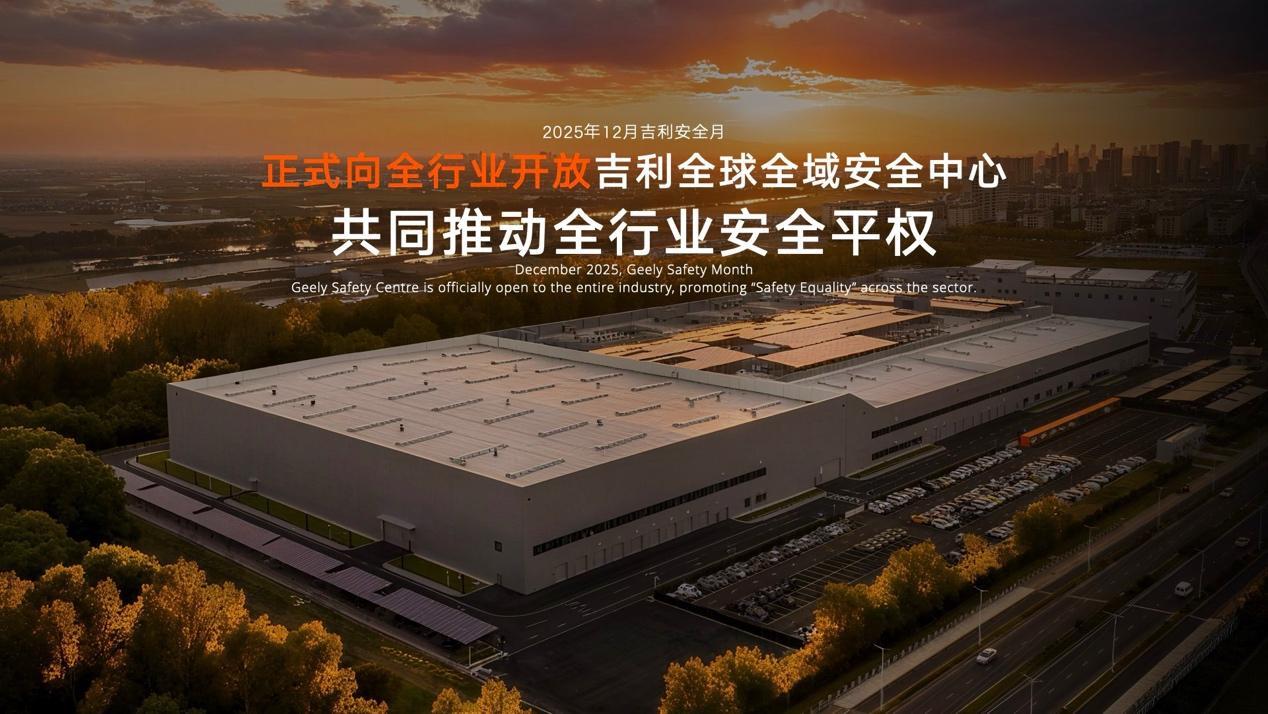
Core Viewpoint - The company emphasizes its commitment to safety, innovation, and high-quality development as it celebrates its 40th anniversary, aiming to enhance user experience and contribute to industry transformation and societal responsibilities [1][22][39]. Group 1: Commitment to Safety - The company prioritizes safety as a core value, participating in industry standards and opening a comprehensive safety center to enhance overall safety levels in the automotive sector [2][22]. - It has developed multiple safety technologies and patents, reinforcing its dedication to user safety [2][22]. Group 2: Sales and Market Performance - Over the past five years, the company has achieved a compound annual growth rate of 23% in sales, with a ninefold increase in the penetration rate of new energy vehicles [4][24]. - The average price of the entire Zeekr product line exceeds 300,000 yuan, with the Zeekr 9X averaging over 530,000 yuan per unit, leading the sales of large SUVs priced above 500,000 yuan [4][24]. Group 3: Technological Innovation - The company is focused on technological innovation as a driving force, implementing the "Smart Geely 2025" strategy and launching various advanced technologies, including the G-ASD driver assistance system and AI-driven solutions [6][26]. - The latest AI 2.0 system enhances vehicle coordination and user experience, showcasing the company's leadership in automotive technology [29][26]. Group 4: Energy Diversification - The company believes in a diversified energy approach to meet global market demands, focusing on green methanol technology and achieving a full industry chain layout [11][31]. - The new generation of methanol hybrid vehicles is set to launch, with a cost of approximately 0.2 yuan per kilometer, and plans to expand the refueling network to 60% coverage [11][31]. Group 5: Product High-End Strategy - The company is committed to high-end product development, with the Zeekr 9X receiving positive feedback and the upcoming Zeekr 8X featuring advanced hybrid technology [13][33]. - The G-ASD system's next iteration will debut in the Zeekr 8X, further enhancing the luxury SUV market position [15][35]. Group 6: International Expansion - The company aims to transition from international trade to product-oriented strategies, focusing on local development and establishing a global brand presence [16][36]. - International business is seen as a key growth engine, with plans for product output and brand expansion in key markets [16][36]. Group 7: Organizational Development - The company emphasizes the importance of employee engagement and value creation, aiming to foster a collaborative environment for personal and organizational growth [38][39]. - The integration of Geely, Lynk & Co, and Zeekr brands is a significant milestone, enhancing operational efficiency and market competitiveness [38][39].
吉利汽车集团CEO淦家阅:摒弃内卷式的恶性竞争
Xin Lang Cai Jing· 2026-02-24 03:11
Core Viewpoint - The CEO of Geely Auto Group emphasizes the importance of adhering to the correct values, focusing on user value, and committing to sustainable development while avoiding unhealthy competition in the industry [1][26]. Group 1: Company Vision and Values - Geely celebrates its 40th anniversary, reflecting on its journey through technological advancements and market fluctuations while maintaining its commitment to user-centric values [29]. - The company aims to enhance user experience by ensuring safety and reliability, contributing positively to the industry, and taking social responsibility for technological progress and sustainable development [29][31]. - Geely is dedicated to safety as a core principle, actively participating in industry standard-setting and opening its safety technologies to enhance overall industry safety [5][31]. Group 2: Market Performance and Growth - Over the past five years, Geely has achieved a compound annual growth rate of 23% in sales, with a ninefold increase in new energy vehicle penetration [7][31]. - The average price of Geely's premium brand Zeekr's products exceeds 300,000 yuan, with the Zeekr 9X achieving an average transaction price of over 530,000 yuan and a cumulative delivery of over 30,000 units [7][31]. - The Lynk & Co brand is expanding its high-end product matrix, aiming for a record sales figure of over 350,000 units in 2025 [7][31]. Group 3: Technological Innovation - Geely is committed to technological innovation as a core driving force, implementing the "Smart Geely 2025" strategy and developing a comprehensive smart infrastructure [9][33]. - The company has introduced advanced technologies such as the G-ASD driver assistance system and AI-driven innovations, which have garnered global attention at events like CES [9][33]. Group 4: Sustainable Development and Energy Diversification - Geely believes in a diversified technological approach to achieve sustainable development, particularly in the field of green methanol, where it has established a complete industrial chain over the past 20 years [14][38]. - The company plans to launch a new generation of methanol hybrid vehicles this year, with a cost of approximately 0.2 yuan per kilometer, and aims to enhance its refueling network coverage to 60% [14][38]. Group 5: International Expansion - Geely views high-quality international expansion as essential for its mission to become a global brand, transitioning from "international trade" to "product-oriented" strategies [20][45]. - The company aims to establish localized systems in key markets through product output, brand expansion, and resource integration [20][45].

莫库酒业股价近期上涨,但行业需求疲软与盈利压力并存
Jing Ji Guan Cha Wang· 2026-02-12 15:16
Core Viewpoint - Molson Coors Beverage Company is experiencing stock price increases but faces multiple challenges including weak industry demand, profit pressure, and competition in the premium segment [1] Industry Policy and Environment - The global alcoholic beverage industry is undergoing structural adjustments, with the beer market stabilizing and product premiumization and innovation being key growth drivers. However, the pricing power in the industry is narrowing. The younger generation's shift towards healthier lifestyles is putting pressure on global beer sales, which have shown a decline. Major companies are resorting to layoffs to control costs, reflecting weak industry demand [2] Stock Recent Performance - As of February 12, 2026, Molson Coors' closing price was $53.57, with a cumulative increase of 4.77% over the past week and a price fluctuation of 6.13%. The highest price during this period was $53.86, while the lowest was $50.65 [3] Performance and Operating Conditions - According to the Q3 2025 financial report, the company reported revenue of $2.974 billion, a year-on-year decline of 2.27%. The net profit attributable to shareholders was a loss of $2.928 billion, primarily due to one-time factors. The gross margin was 36.73%, showing a year-on-year contraction [4] Institutional Perspectives - In February 2026, only 26% of 23 institutions rated the stock as "buy or hold," while 61% recommended "hold," and 13% leaned towards "reduce or sell." The average target price is $50.90, which is below the current stock price [5] Industry and Risk Analysis - Despite some companies attempting to enhance prices through premiumization, the industry faces overall demand constraints. Health warnings from organizations like the World Health Organization are weakening drinking demand, and the preferences of Generation Z are changing significantly. Competition is intensifying, with leading companies like Anheuser-Busch benefiting from cost control rather than broad price increases. Molson Coors primarily targets the mass market and lacks the brand influence and pricing power of leaders like Anheuser-Busch, making it difficult to drive industry-wide price increases independently [6] Company Valuation - The historical peak price for Molson Coors was $62.82 on March 10, 2025. The current stock price is approximately 14.7% below this high. Given the weak industry demand and profit pressure, the likelihood of breaking through previous highs in the short term through price increases appears low [7]
华塑股份:将持续推进降本增效各项举措,深挖内潜练好内功
Zheng Quan Ri Bao Zhi Sheng· 2026-02-12 10:13
Core Viewpoint - The company, Huashu Co., focuses on the production and sales of chlor-alkali chemical products, primarily PVC and caustic soda, and is building an integrated circular economy system in the chlor-alkali sector [1] Group 1: Market Conditions - PVC prices have recently increased, while caustic soda prices have declined [1] - The company possesses salt mine resources and a self-owned power plant, providing significant cost advantages [1] Group 2: Strategic Initiatives - The company will continue to implement cost reduction and efficiency enhancement measures [1] - There is a focus on exploring new fields, extending the industrial chain, promoting product high-end development, and transitioning to a green and low-carbon model [1] - The aim is to drive sustainable and high-quality development for the company [1]
