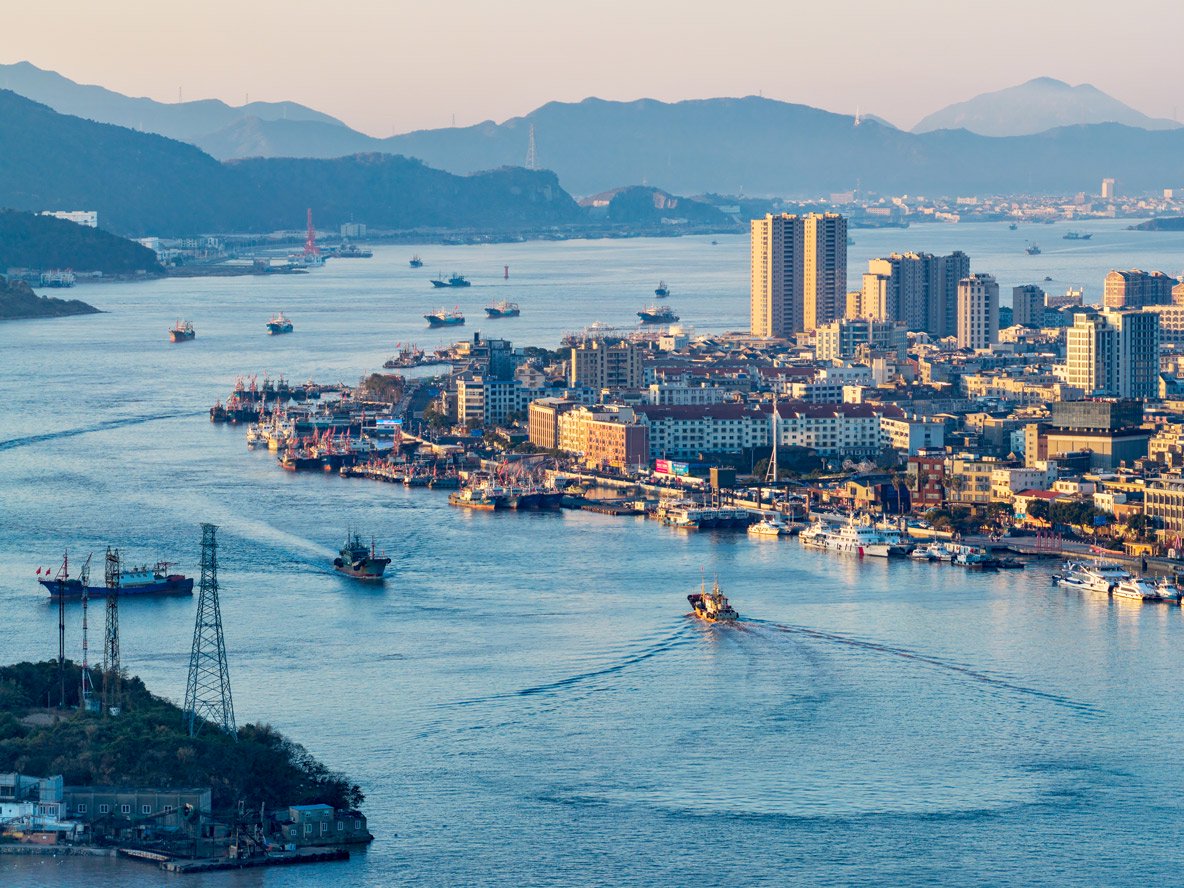
船用绿色甲醇加注业务

Search documents
14亿吨!全球首个超级大港诞生,连续17年霸榜!你的钱包、生意都受影响
Sou Hu Cai Jing· 2026-01-09 14:14
Core Viewpoint - Ningbo-Zhoushan Port has become the world's first port to surpass 1.4 billion tons in cargo throughput, maintaining its position as the global leader for 17 consecutive years, which significantly impacts global supply chains and local economies [1][5]. Group 1: Port Performance and Impact - In 2025, Ningbo-Zhoushan Port's cargo throughput is projected to exceed 1.4 billion tons, marking a significant milestone in global port operations [1]. - The port's efficiency improvements are expected to save shipping companies over 867 million yuan in costs, which will ultimately lower prices for imported goods [4]. - The port's growth reflects the resilience of China's foreign trade and the interconnectedness of global supply chains, with historical context showing its evolution from separate ports to a unified entity [5]. Group 2: Infrastructure and Connectivity - The completion of the 300,000-ton channel expansion in December 2025 will enhance the port's capacity for ultra-large vessels, improving access and reducing congestion [6]. - By the end of 2025, the port will have 309 container shipping routes connecting over 700 ports worldwide, with nearly 300 vessels operating daily, indicating strong global connectivity [6]. - The launch of the world's first Arctic container fast shipping route in September 2025 will significantly reduce shipping times to the UK, enhancing competitiveness for foreign trade [6]. Group 3: Challenges and Criticisms - There are ongoing debates regarding the distinction between "size" and "strength" in port performance, with Ningbo-Zhoushan Port's container throughput ranking third globally, indicating room for improvement [7][9]. - Concerns have been raised about the port's logistics structure, particularly the high reliance on road transport, which accounts for over 80% of its logistics, compared to international standards [9][10]. Group 4: Future Trends and Developments - The port aims to reach a cargo throughput of 1.8 billion tons and a container throughput of 60 million TEUs by 2035, with plans for significant infrastructure projects already approved [14]. - Emphasis on smart and green technologies is evident, with initiatives like the "Four Ports Intelligent Transportation" model and the development of green shipping corridors in collaboration with European ports [14]. - The port is transitioning from a transportation hub to an international trade port, expanding its services in supply chain and trade finance, which will create new entrepreneurial opportunities [14].

2025年度宁波港航十大新闻公布
Xin Lang Cai Jing· 2025-12-31 13:41
Core Insights - In 2025, Ningbo Port and Shipping achieved significant breakthroughs and milestones, showcasing its capabilities in energy enhancement, green transformation, smart development, and open cooperation [1][4] Group 1: Infrastructure Development - The core area of Ningbo-Zhoushan Port completed the second 300,000-ton deep-water main channel, making it the first core port in China with a "dual-channel" for ultra-large vessels [2][29] - The first 10,000-ton channel in the Shiyu Port area was completed, adding a "golden waterway" to the world's major ports [2][5] - Ningbo Ocean Transportation Co., Ltd. surpassed 1 million deadweight tons in self-owned capacity, becoming the first shipping company in Ningbo to reach this milestone [2][26] Group 2: Green and Smart Transformation - The world's largest and China's first 10,000-ton pure electric container ship was launched, marking the entry of coastal container transport into a zero-emission, fully electric era [2][12] - The first green methanol bunkering business in Zhejiang was established at Ningbo-Zhoushan Port, making it one of the few ports in China capable of providing multiple types of green fuel [2][18] - By 2025, all coastal berths over 1,000 tons and inland berths in Ningbo achieved full shore power coverage, optimizing the green port ecosystem [2][25] Group 3: Open Cooperation and Industry Ecosystem - Mediterranean Shipping Company (MSC) established its important ship management company in Ningbo, accelerating the rise of the "fleet manager" industry cluster [2][9] - The world's first China-Europe Arctic container fast shipping route successfully launched and docked at Ningbo-Zhoushan Port, laying a solid foundation for the "Ice Silk Road" core channel [2][22] Group 4: Safety and Innovation - Ningbo launched six waterway travel integration theme routes, promoting the integration of "transportation + tourism" [2][11] - The port safety responsibility insurance pilot project successfully passed departmental acceptance, forming a replicable "Ningbo experience" in risk prevention and insurance mechanisms [2][19]