
艾乐妥

Search documents
辉瑞2026年业绩展望保守,巨额投资回报尚需时日
Xin Lang Cai Jing· 2025-12-16 15:39
Core Viewpoint - Pfizer has released a conservative earnings guidance for 2026, planning to invest in pipeline assets to counteract declining sales from COVID-related products and shrinking revenue from older drugs [3][5][10]. Financial Projections - The company expects adjusted earnings per share for 2026 to be in the range of $2.80 to $3.00, slightly below analysts' expectations of $3.05 [11]. - Pfizer anticipates revenue for 2026 to reach between $59.5 billion and $62.5 billion, consistent with the 2025 revenue guidance of $62 billion [4][11]. Sales Decline Factors - The revenue outlook is impacted by a projected decline of approximately $1.5 billion in sales from COVID vaccines and the oral antiviral drug Paxlovid, bringing their total sales down to $5 billion [4][11]. - Additionally, the loss of market exclusivity for several products is expected to contribute to another $1.5 billion decline in sales [4][11]. Patent Expiration and Market Competition - Pfizer's CFO indicated that the peak of patent expirations is expected between 2026 and 2028, potentially affecting revenues by $17 billion due to the expiration of patents and regulatory exclusivities [6][11]. - Key products, including the anticoagulant drug Eliquis, will face pricing pressures due to new government regulations [12]. Cost Management and Restructuring - The company has exceeded its cost-saving targets for 2025 and aims to achieve over $7 billion in cost reductions by 2027, with most savings expected to materialize in the coming year [13]. - Analysts noted that the earnings outlook aligns with market expectations, and the cost restructuring plan may help mitigate pressures from declining COVID-related business [12][13]. Regulatory Environment and Pricing Agreements - Pfizer has entered a significant drug pricing agreement with the Trump administration, committing to provide existing drugs at the lowest prices available in other developed countries [14]. - The company plans to increase discounts for its Medicare business, which has been factored into the 2026 earnings guidance, considering the impact of price compression and margin contraction [14].


川普大药房:减肥药打2折,让美国人减重5600万公斤
虎嗅APP· 2025-11-14 14:21
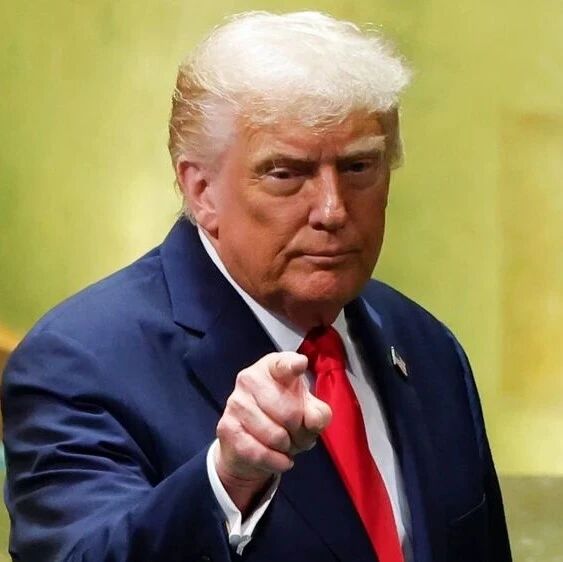
Core Viewpoint - The article discusses the significant price reduction of weight loss drugs in the U.S. following negotiations led by former President Trump, highlighting the impact on pharmaceutical companies and the healthcare system [5][8][20]. Group 1: Price Reduction Announcement - Trump announced a drastic price cut for weight loss drugs Wegovy and Zepbound, from $1,350 and $1,086 per month to $350, with plans to further reduce it to $245 over two years [8][20]. - The price reduction will be available through Medicare and a new platform called TrumpRx.gov, aimed at providing direct access to lower drug prices [20][21]. Group 2: Context of Drug Pricing in the U.S. - The U.S. spends over $12,000 per person annually on healthcare, significantly higher than other developed countries, yet has a lower life expectancy [14][16]. - According to a 2024 report, the average price of drugs in the U.S. is 2.8 times higher than in 33 other OECD countries, with innovative drugs being even more expensive [16][18]. Group 3: Pharmaceutical Companies' Response - Pfizer has committed to offering discounts of 50% to 85% on many of its primary care drugs, affecting over 100 million patients in the U.S. [19]. - The negotiations with Novo Nordisk and Eli Lilly focused on existing weight loss drugs, with the aim of including them in Medicare and expediting the approval of future oral versions [20][30]. Group 4: Market Dynamics and Future Implications - The article notes that the GLP-1 class of weight loss drugs is gaining popularity due to their effectiveness, but their high prices have limited access [27][28]. - With the expiration of patents for these drugs in countries like China and India by 2026, there is potential for increased competition and lower prices in the U.S. market [28][30]. Group 5: Political and Economic Considerations - Trump's approach contrasts with previous administrations, focusing on aggressive negotiations and potential tariffs on non-compliant pharmaceutical companies [33][39]. - The article suggests that the high drug prices in the U.S. are a result of a complex system involving pharmaceutical companies, insurance providers, and intermediaries, which has led to rising costs for consumers [35][36].


辉瑞(PFE.US)Q2营收盈利双超预期 上调全年EPS展望
智通财经网· 2025-08-05 12:16
Core Insights - Pfizer reported strong Q2 earnings driven by high demand for heart drug Vyndaqel and anticoagulant Eliquis, exceeding analyst expectations for both revenue and profit [1][2] - The company raised its full-year earnings forecast, reflecting a positive outlook for adjusted EPS and revenue [1] Financial Performance - Q2 EPS was $0.78, significantly above the consensus estimate of $0.57 [1] - Revenue increased by 10% to $14.7 billion, surpassing the expected $13.47 billion [1] - Adjusted EPS forecast for 2025 is now projected to be between $2.90 and $3.10, up from the previous range of $2.80 to $3.00 [1][2] Strategic Outlook - The revised earnings outlook incorporates strong first-half performance, improved cost efficiency, lower tax rates, and favorable currency effects [2] - A one-time R&D expense of $1.35 billion related to a licensing deal with 3SBio is expected to reduce Q3 EPS by approximately $0.20 [2] Industry Context - The pharmaceutical industry faces pressures from ongoing drug pricing policies under the Trump administration and potential tariffs on EU imports [2] - Pfizer has sufficient production capacity in its 10 U.S. facilities to mitigate tariff impacts and is willing to shift some production to these existing sites [2] - Investor concerns are heightened regarding potential policy changes from U.S. Health Secretary Robert F. Kennedy Jr., which could affect Pfizer's vaccine product line, accounting for about 20% of total revenue [2]