
艾草香囊

Search documents
奋进的河南 决胜“十四五”·南阳篇丨宛城区:传承创新成高峰
He Nan Ri Bao· 2025-11-02 23:22
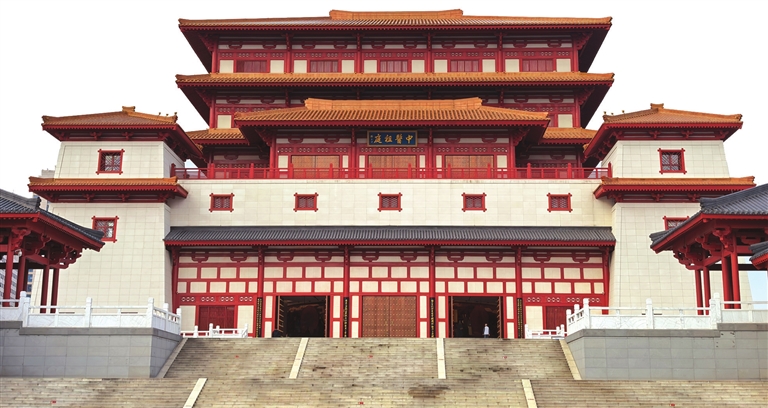
Core Viewpoint - The article highlights the development and promotion of traditional Chinese medicine (TCM) in Nanyang's Wancheng District, focusing on the establishment of the Medical Sage Cultural Park and its role in enhancing TCM culture and services [1][6][17]. Group 1: Cultural and Historical Significance - The Medical Sage Cultural Park, dedicated to Zhang Zhongjing, is a key cultural landmark in Nanyang, showcasing the integration of TCM culture and historical architecture [6][7]. - The park features a total investment of 5.9 billion yuan, covering an area of 689 acres with a construction area of 424,000 square meters, designed in Han Dynasty style [6][7]. Group 2: Promotion of TCM and Health Services - The district has implemented various initiatives to promote TCM, including the establishment of the Nanyang Zhongjing Health and Dietary Association and the introduction of traditional dietary practices into local cuisine [9][10]. - The integration of TCM services into community markets has been successful, with monthly events providing access to TCM practitioners and products, enhancing community health engagement [14][15]. Group 3: Economic Development and Industry Growth - Wancheng District is focusing on the development of TCM-related industries, including the production of herbal products and health foods, with significant contributions from local enterprises [10][20]. - The district's herbal industry has achieved an annual output value exceeding 3 billion yuan, with over 30% market share in the city [20]. Group 4: Future Development Plans - The district aims to enhance its TCM service capabilities and cultural influence, with plans to establish itself as a national model for TCM development and cultural transmission [21].

销售额同比增长7.8%,宿迁“端午经济”热气腾腾!
Sou Hu Cai Jing· 2025-06-03 13:02
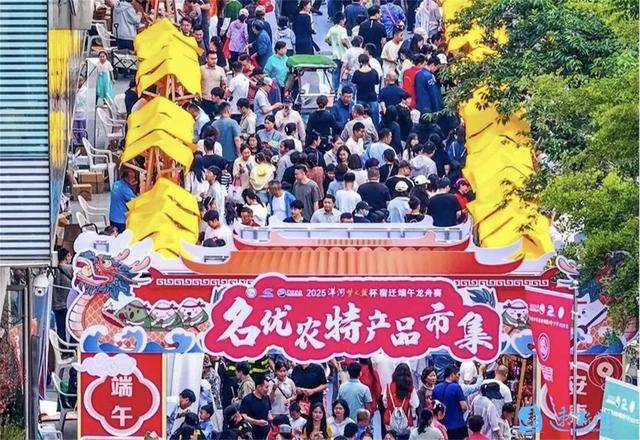
Core Insights - The consumption market in Suqian City showed a vibrant trend during the Dragon Boat Festival, with key monitored commercial enterprises reporting a 7.8% year-on-year increase in sales, reflecting a blend of traditional customs and modern business practices [1] Group 1: Cultural and Event-Driven Consumption - Traditional cultural activities, such as dragon boat races and themed food stalls, attracted large crowds, leading to a 25% increase in restaurant and accommodation bookings [3] - The "Chuyun Dragon Boat Festival" theme event at Xiang Wang's hometown featured interactive games and traditional crafts, resulting in a 25% increase in sales of intangible cultural heritage products [5] Group 2: Retail and Promotional Strategies - Supermarkets implemented a "Festival + Discount" strategy, with sales of traditional items like zongzi and mugwort increasing by 50%, and sales of seasonal products exceeding 100,000 yuan [6] - Major shopping centers reported a 7.1% increase in sales, with a total foot traffic of 536,000, up 8.9% year-on-year [8] Group 3: Restaurant Sector Performance - The restaurant industry experienced a revival, with family gatherings and themed meals becoming popular, leading to a 200% increase in online orders for certain restaurants [9] - Key restaurants reported a 11% increase in revenue compared to the previous year, with high booking rates for special Dragon Boat Festival menus [11] Group 4: Policy and Economic Impact - Joint promotional efforts by government and businesses effectively stimulated consumption, with various events and subsidies driving sales across multiple sectors [12] - In the home appliance sector, major retailers reported a 15.5% increase in sales due to preemptive promotional activities [14] - The automotive sector saw a 12.3% increase in sales during the holiday, supported by significant promotional events [15] Group 5: Market Supply and Stability - The Suqian City Business Bureau monitored essential goods, ensuring a stable supply of food products, with prices remaining steady during the holiday [16] - The successful performance of the consumption market is attributed to the creative transformation of traditional cultural resources and a dual-driven approach of policy and market strategies [16]
古人的驱蚊养生神器你值得拥有
Bei Jing Qing Nian Bao· 2025-05-26 01:12
Core Viewpoint - The article discusses the traditional Chinese herbal sachets, known as "xiang nang," which serve both as a fashionable accessory and a method of external treatment in traditional Chinese medicine, particularly for health protection during the summer months [1][2]. Group 1: Historical and Cultural Significance - The concept of herbal sachets dates back to ancient Chinese literature, with references found in works like "Li Sao" by Qu Yuan, highlighting the use of fragrant herbs as early forms of sachets [2]. - The popularity of sachets grew in the Ming and Qing dynasties, where they were used by both nobility and commoners, often crafted from luxurious materials or simple fabrics [2]. Group 2: Health Benefits and Ingredients - Modern research indicates that key ingredients in herbal sachets, such as mugwort (艾草) and calamus (菖蒲), can enhance immune function and repel insects, thus improving overall health [3]. - Mugwort is recognized for its insect-repelling properties and can also help improve indoor air quality, especially in humid conditions [3]. - Calamus is noted for its aromatic qualities and has been shown to possess anti-inflammatory and antibacterial properties, contributing to its effectiveness in repelling mosquitoes [3]. Group 3: Safety and Usage Considerations - While some ingredients like realgar (雄黄) have historical uses in repelling insects, they can be toxic if not processed correctly, necessitating caution and professional guidance for their use [4]. - Herbal sachets are not merely decorative; they serve practical purposes such as pest control and disease prevention, as reflected in the saying "carry a sachet, fear not the five pests" [5]. - It is advised that individuals with allergies, asthma, or other health conditions consult a healthcare provider before using herbal sachets [10].