中国年文化

Search documents
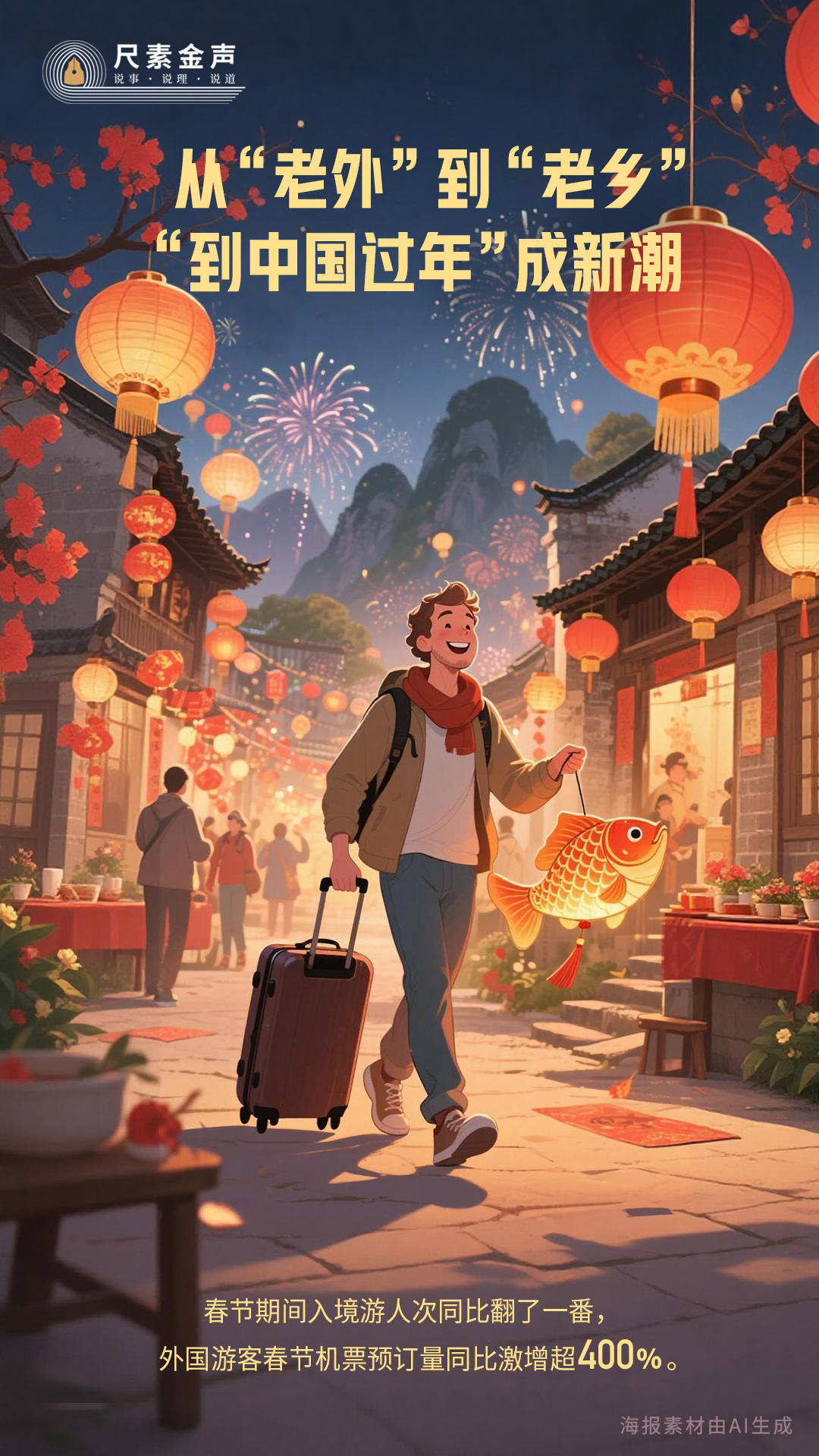
尺素金声|从“老外”到“老乡”,“到中国过年”成新潮
Ren Min Ri Bao· 2026-02-27 09:57
Group 1 - The core viewpoint is that the Chinese New Year has become a global trend, with a significant increase in foreign tourists visiting China during this period, as evidenced by a 100% year-on-year increase in inbound tourist numbers and over 400% growth in flight bookings for foreign visitors [1][3] - The experience of foreign tourists has shifted from mere observation to immersive participation, with a focus on cultural heritage and local experiences, as seen in various activities such as making dumplings and writing Spring Festival couplets [1][4] - The Chinese government's facilitation of travel through visa exemptions and improved services has contributed to this trend, with 30.08 million foreign visitors expected to enter China under visa-free policies by 2025, accounting for 73.1% of all inbound tourists [3][5] Group 2 - The cultural significance of the Chinese New Year resonates universally, emphasizing themes of reunion, hope, and joy that transcend national and racial boundaries, making it a rich cultural dialogue [4][5] - The potential for China's inbound tourism market is substantial, with projections indicating that by 2035, international tourist spending in China could reach approximately 1.5 trillion RMB, driven by a growing demand for personalized and high-quality travel experiences [5][6] - The ongoing celebration of the Chinese New Year reflects a broader cultural exchange, showcasing the richness of human civilization and the joy that arises from the convergence of different cultures [5][6]

一城灯火映渝州 万般团圆在此间
Xin Lang Cai Jing· 2026-02-25 17:54
Core Viewpoint - The 2026 Chongqing Spring Lantern Festival, themed "Xihuan Ni," has attracted significant attention and participation, showcasing a vibrant atmosphere filled with food, activities, and cultural interactions, making it a memorable celebration of the Chinese New Year [5][11]. Group 1: Event Highlights - The festival features a large water lantern display spanning 2.8 kilometers, with various themed light installations that create a stunning visual experience both during the day and at night [11]. - Visitors can engage in interactive activities such as searching for the "Five Deities" (Fu, Lu, Shou, Xi, Cai) to collect stamps, enhancing the festive experience for families and children [7][11]. - The event has successfully attracted tourists from various provinces, including Shandong and Zhejiang, who praised the festival for its lively atmosphere and diverse offerings [9][10]. Group 2: Visitor Experience - The festival has been noted for its family-friendly environment, with amenities such as free wheelchair rentals for elderly visitors, ensuring accessibility and comfort for all attendees [8]. - Many families, including those with multiple generations, have shared heartwarming moments, emphasizing the importance of togetherness during the New Year celebrations [8][12]. - The combination of daytime activities and nighttime light displays has broken the stereotype that lantern festivals are only enjoyable at night, appealing to a broader audience [10][11]. Group 3: Cultural Significance - The festival embodies traditional Chinese values of reunion and warmth, with activities designed to foster family bonding and community spirit [11][12]. - The event has gained national recognition, being featured on major media platforms, which highlights its cultural importance and the promotion of Chongqing's festive spirit to a wider audience [11].
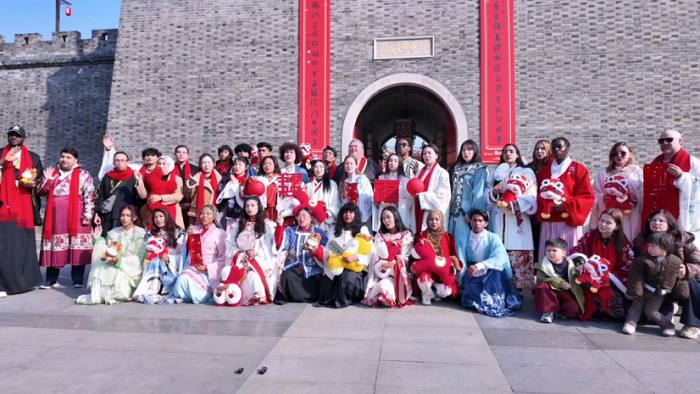
热气腾腾的中国年|江苏无锡:当非遗成为“世界语言”,外籍友人爱上“中国年”
Xin Lang Cai Jing· 2026-02-20 13:27
Core Viewpoint - The article highlights the vibrant cultural exchange during the Spring Festival in Wuxi, where foreign friends from various countries engage in traditional Chinese cultural experiences, showcasing the charm of intangible cultural heritage [1][3][13]. Group 1: Cultural Experiences - Foreign friends from countries such as South Africa, Poland, Tanzania, and others participated in hands-on activities like writing Spring Festival couplets and experiencing traditional crafts [3][5]. - The event featured immersive experiences, allowing participants to learn about local heritage through storytelling and hands-on activities, such as making bamboo bookmarks and sugar-coated hawthorns [5][11]. Group 2: Visual Spectacles - A stunning fire dragon show was held, where molten iron created a spectacular display in the night sky, captivating attendees and showcasing the cultural heritage of the region [7]. - The event included performances that combined traditional skills with modern aesthetics, such as fire breathing and face-changing acts, which amazed the foreign participants [9]. Group 3: Community Engagement - The "New Wu Celebrating the New Year" event brought together over 40 foreign friends living and studying in Wuxi, allowing them to experience the unique charm of the Wu culture during the Spring Festival [9]. - Participants actively engaged in cultural activities, such as joining in dance performances and expressing their enjoyment of the local festivities [11].
【请到广东过大年】非遗展演添年味 游人如织贺新春
Xin Lang Cai Jing· 2026-02-20 01:07
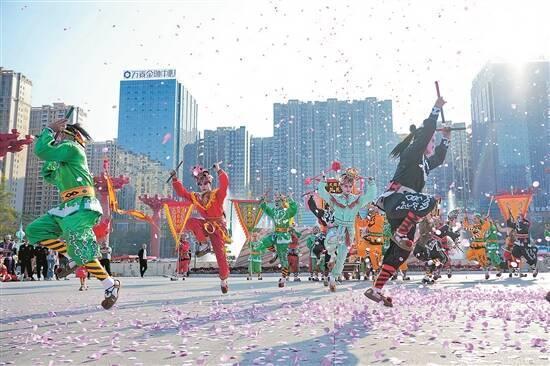
Group 1: Visa Policy Changes - China will implement a visa exemption policy for Canadian and British passport holders from February 17, 2026, to December 31, 2026, allowing single stays of up to 30 days for business, tourism, family visits, and transit [2][4] - The policy coincides with the Chinese New Year, attracting a significant influx of foreign travelers to experience the festivities [2] Group 2: Tourism and Cultural Events - The Hong Kong-Zhuhai-Macao Bridge has introduced new creative installations to enhance visitor experience, leading to record-breaking tourist numbers during the New Year [4][5] - The fishing festival in Wen Shui Tang, which has been celebrated for 400 years, attracted over 10,000 participants, showcasing local culture and culinary traditions [12][13] - The Yingge Spring Festival parade in Puning, known as "Chinese War Dance," drew numerous visitors, highlighting the region's rich cultural heritage [14][15] Group 3: Safety and Security Measures - Police presence during the New Year celebrations in Shantou provided safety and guidance for tourists, enhancing the overall festive atmosphere [9][11] - The use of bright uniforms by law enforcement helped create a sense of security for visitors participating in various cultural activities [11] Group 4: Upcoming Events - The "Non-material Cultural Heritage New Year" parade in Yangjiang is scheduled for February 21, 2026, featuring local traditions and performances to celebrate the New Year [16]
(新春走基层)“洋主播”白丽莎:用镜头捕捉“最炫中国年”
Xin Lang Cai Jing· 2026-02-18 04:57
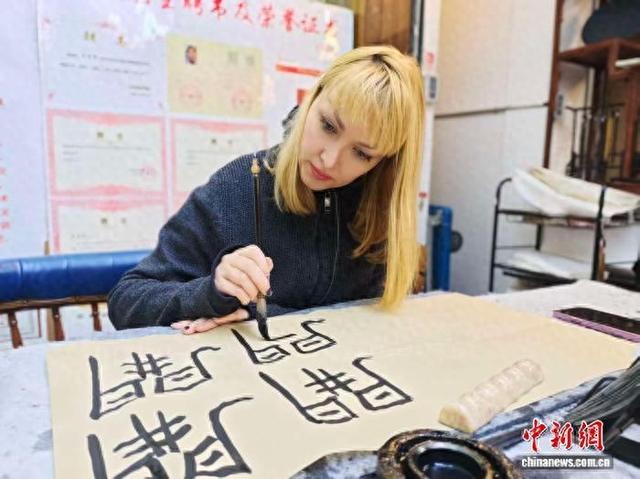
Core Viewpoint - The article highlights the experiences of a Russian influencer, Bai Lisha, who immerses herself in Chinese culture during the Spring Festival in Shandong, showcasing the rich traditions and local customs through her videos [1][3]. Group 1: Cultural Experience - Bai Lisha learned to write the character "福" (fu), which symbolizes good fortune, and shared her enjoyment of this cultural practice [1]. - She emphasizes the significance of food during the Spring Festival, noting the variety of dishes and their auspicious names, contrasting it with Russian culinary traditions [3]. - Bai Lisha appreciates the relaxed lifestyle in Jinan, describing it as a "slow life" that brings happiness [3]. Group 2: Community Engagement - Living in the Shunji Community, an international neighborhood in Jinan, Bai Lisha has formed friendships with residents from various countries and participates in cultural activities [3]. - She acts as a "cultural ambassador" within her community, engaging with local residents and promoting cultural exchange [3]. Group 3: Content Creation - Bai Lisha captures the essence of Shandong through her videos, covering local cuisine, cultural customs, and scenic spots, aiming to introduce Shandong to a broader audience [5]. - She has documented various aspects of Shandong culture, including local delicacies and traditional crafts, to foster appreciation among foreign viewers [5]. - Bai Lisha plans to explore more cultural activities and locations in Shandong, and aims to incorporate traditional Chinese arts into her content [6].
新春走基层丨在山西,过一个热气腾腾的非遗中国年
Xin Lang Cai Jing· 2026-02-18 02:52
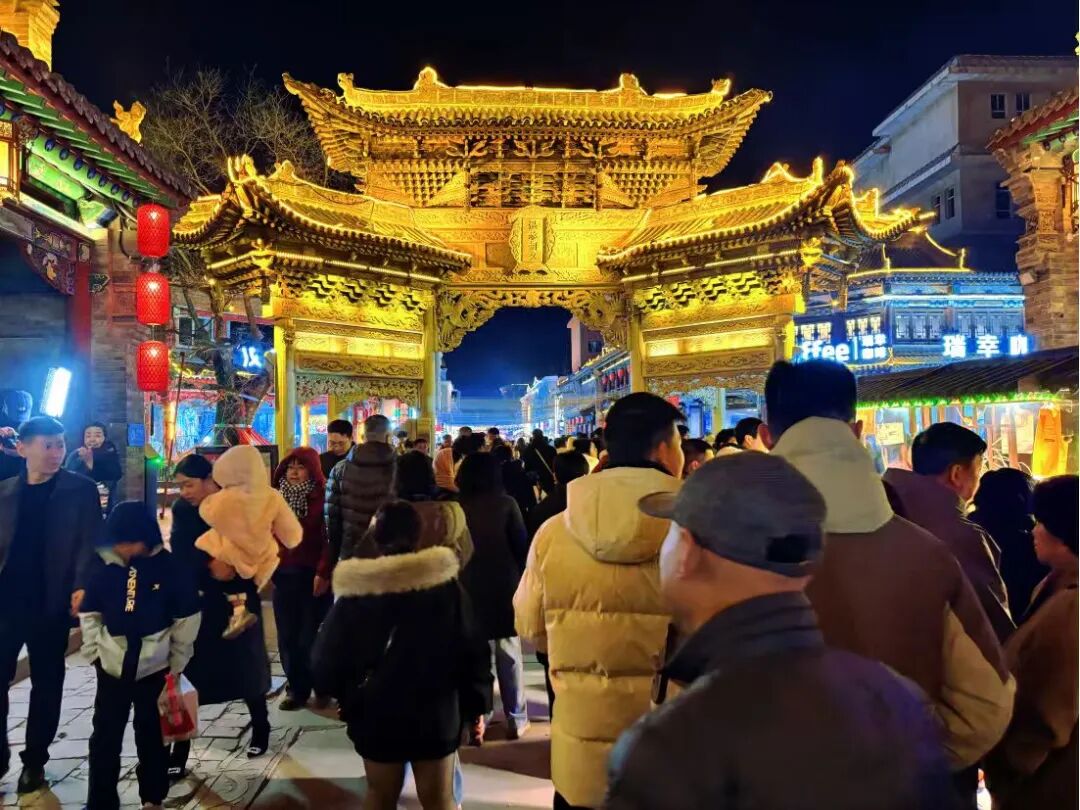
Core Viewpoint - The article highlights the vibrant and rich cultural celebrations of the Chinese New Year in Shanxi, showcasing various traditional activities and events that embody the essence of the holiday [2][10]. Group 1: Cultural Activities - Shanxi's cultural and tourism department has launched a series of activities themed "Non-heritage Celebrating the New Year," featuring over 690 cultural and tourism events across 11 cities [2]. - The "Pingcheng Narrative Year" folk market in Datong will offer immersive experiences in traditional crafts like woodblock printing and sugar painting during the 2026 Spring Festival [2]. - Various traditional performances, including the Daizhou Yangge and fire dance, will take place in Taiyuan, creating a lively atmosphere for visitors [3]. Group 2: Traditional Arts and Performances - The "Jiangzhou Ancient City Chinese New Year" will feature non-heritage stage plays that draw from local cultural elements, emphasizing the importance of local heritage in attracting tourists [5]. - In Hongtong, the 20th "Folk Chinese New Year" will showcase traditional performances that reflect ancestral culture, including live performances of national-level intangible cultural heritage [5]. - The immersive drama "Thousand-Year Yamen: Jiangzhou Wind and Cloud" will be performed daily, connecting historical scenes with the festive atmosphere [3]. Group 3: Community Engagement - In Xinyu, traditional crafts like paper-cutting and clay figurine making will be taught to visitors, enhancing their cultural experience [7]. - The cultural activities in various towns, such as the folk performances in Zhezhou and the interactive experiences in Longzhi, aim to engage visitors and create memorable experiences [8]. - The article emphasizes the importance of community participation in preserving and showcasing local traditions during the New Year celebrations [10]. Group 4: Overall Experience - The celebrations across Shanxi are characterized by a blend of traditional music, dance, and culinary experiences, inviting visitors to immerse themselves in the local culture [10]. - The article concludes with an invitation for people to experience the authentic Chinese New Year in Shanxi, highlighting the warmth and vibrancy of the celebrations [11].
全力办好春节期间文化活动
Xin Lang Cai Jing· 2026-02-16 05:42
Group 1 - The core idea emphasizes the importance of organizing culturally rich and vibrant activities during the Spring Festival to connect community sentiments and stimulate market consumption, thereby enhancing development confidence and showcasing the cultural essence of the Chinese New Year [1] - The activities should be rooted in local advantages, deeply exploring cultural resources unique to Langfang, integrating traditional customs and local delicacies into the entire event process, and utilizing new media and interactive experiences to create engaging cultural scenes [1] - The organization of these cultural activities aims to bridge the gap between Chinese New Year culture and consumer spending, leveraging the emotional connections associated with the festival to activate market potential and promote a new integrated model of cultural tourism consumption [1] Group 2 - Ensuring safety is a fundamental aspect of organizing Spring Festival activities, which includes strengthening resource guarantees and improving emergency plans across various safety domains such as utilities, transportation, food and drug safety, special equipment, and fire safety [2] - The goal is to eliminate potential risks and create a joyful, peaceful, and safe festive atmosphere for the community [2]
“到中国过年成热潮” 外国人沉浸式体验中国年
Yang Shi Xin Wen Ke Hu Duan· 2026-02-13 01:09
Core Insights - The influx of inbound tourism during the Spring Festival is significantly increasing, with the National Immigration Administration predicting an average of over 2.05 million people entering and exiting the country daily during the holiday, representing a year-on-year growth of 14.1% [1] - Recent data indicates that foreign tourists' flight bookings for the Spring Festival have surged over four times compared to the previous year, highlighting China's growing appeal as a global travel destination [1] Group 1: Inbound Tourism Trends - The 2026 Spring Festival is attracting global travelers to China, driven by rich cultural experiences and diverse activities, including food, scenic views, and traditional customs [2] - Ice and winter tourism, along with warm-weather escapes, are emerging as two main trends, boosting bookings in northeastern regions like Heilongjiang and Xinjiang, as well as southern destinations like Yunnan and Hainan [3] Group 2: Regional Highlights - Heilongjiang has seen a 29.7% year-on-year increase in inbound travelers, with an expected total of about 45,000 travelers during the Spring Festival [5] - Hainan is set to welcome around 80,000 inbound travelers during the Spring Festival, marking a growth of over 24% compared to the same period in 2025 [7] Group 3: Consumer Trends - Foreign tourists are increasingly seeking "China-exclusive" products, such as unique clothing styles and traditional items, indicating a new trend in consumer behavior [8] - The popularity of intangible cultural heritage experiences is rising, with tourists engaging in traditional activities like making fish lanterns and participating in local customs [12][15] Group 4: Policy and Infrastructure Developments - The expansion of visa-free policies and simplified entry procedures has contributed to the surge in inbound tourism, with the number of visa-free countries increasing to 48 and the number of countries eligible for 240-hour transit visa exemptions rising to 55 [16][18] - Various regions are launching customized tourism routes and activities to cater to international visitors, enhancing the overall travel experience [20][21]
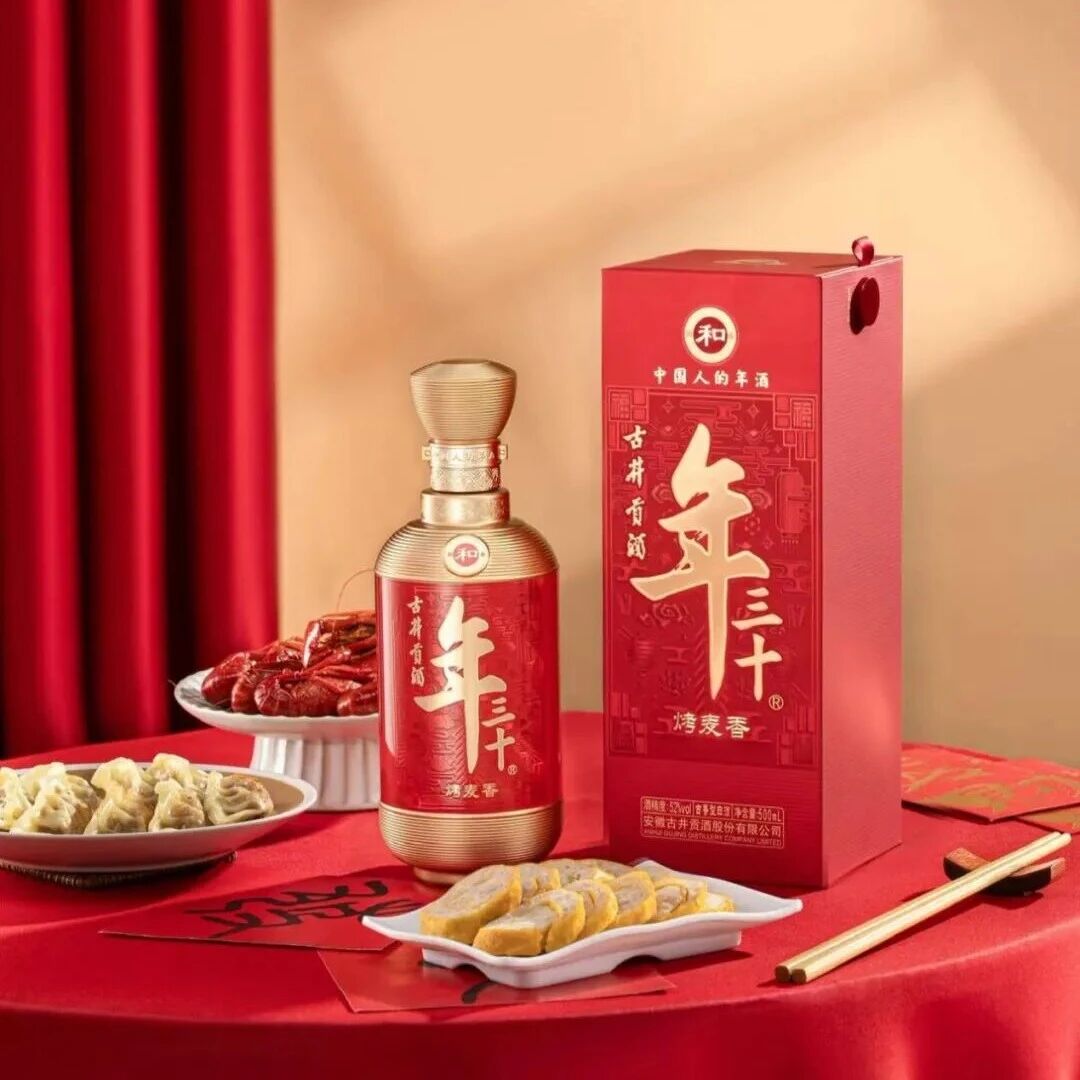
古井贡酒·年三十【和】上市:一壶“和”酒,浸润中国年味
经济观察报· 2026-01-13 10:17
Core Viewpoint - The article discusses the strategic shift in the Chinese liquor market, particularly focusing on the launch of Gujinggongjiu's "Nian San Shi" as a national-level "New Year liquor" aimed at the mass market, moving from high-end collectibles to more accessible products [2][11]. Group 1: Product Launch and Market Positioning - Gujinggongjiu has introduced the "Nian San Shi" priced at 220 yuan, marking a significant step in its strategy to popularize "Chinese New Year culture" [2][11]. - The product is designed for the core consumption scenarios of family reunions and gift-giving during the Spring Festival, targeting the general public [4][9]. Group 2: Cultural and Emotional Resonance - The design of the bottle incorporates traditional elements such as lanterns and auspicious symbols, emphasizing the cultural significance of family unity during the New Year [4][12]. - The product embodies the "He" culture, aligning with traditional values of harmony and family prosperity, thus enhancing its emotional appeal [4][12]. Group 3: Quality and Production Techniques - The "Nian San Shi" is supported by Gujinggongjiu's unique "Ancient Fragrance" brewing technique, which ensures a high quality-to-price ratio [7][8]. - The brewing process involves a meticulous fermentation method that enhances the flavor profile, making it accessible to a broader audience [7][8]. Group 4: Consumer Insights and Market Trends - The product targets consumers aged 25-55, addressing both practical and emotional needs during the Spring Festival, thus balancing utility and sentiment [9][11]. - The launch has seen significant initial success, with over 10,000 bottles sold on Douyin within four days of its pre-sale [9][11].