
英特尔产品

Search documents
俄应实现微电子主权独立
Huan Qiu Wang Zi Xun· 2025-12-28 22:53
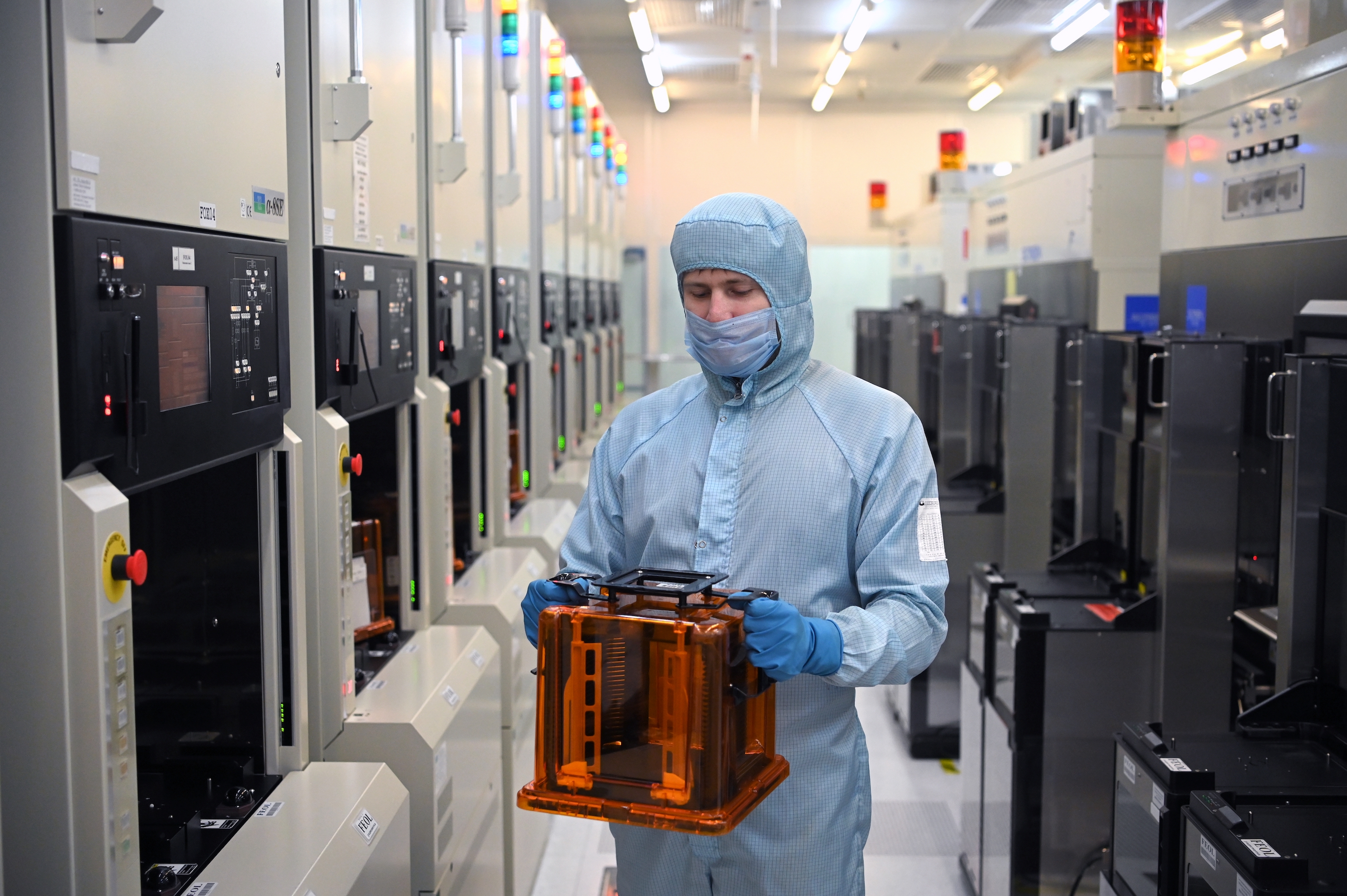
Core Viewpoint - The interview highlights the importance of microelectronics as a key industry for Russia's technological sovereignty and the need for the country to develop its own core technologies in response to Western sanctions [4][5]. Industry Changes and Current Status - Since the suspension of Western companies' operations in Russia and the halt of microelectronics exports, the situation in the Russian microelectronics industry has not fundamentally changed, with ongoing limitations on technology and equipment [4][5]. - The Russian industry has recognized the necessity to develop indigenous core technologies, moving away from reliance on imports in strategic sectors [5]. Research and Development - Current Russian R&D efforts are focused on developing new architectures and advanced processing technologies, with projects like neuromorphic processors being explored [6][7]. - Despite advancements in design and architecture, Russia still relies on imported microprocessors for big data processing, as domestic manufacturing has not yet reached below 28nm technology [6][7]. Achievements and Challenges - The microelectronics sector is capital and technology-intensive, with modern clean rooms costing hundreds of billions and requiring a continuous operational capacity [8]. - The Russian government has initiated large-scale plans to produce ultra-pure materials and establish domestic manufacturing capabilities for electronic components, with funding for these initiatives increasing significantly compared to previous years [8][9]. Talent Development - There is a recognized need for collaboration between educational institutions and high-tech companies to address talent shortages and outdated curricula in microelectronics [9]. - Different types of talent are required for various roles in the industry, necessitating a differentiated approach to education and training [9]. Global Trends - The global microelectronics industry is advancing towards mastering 2nm process technology, with future goals set for even smaller nodes, although challenges such as heat dissipation and leakage remain [10].

印度塔塔集团与英特尔达成协议
Jing Ji Guan Cha Wang· 2025-12-09 07:40
经济观察网12月8日,印度塔塔集团与英特尔宣布建立战略联盟,将探索半导体和系统制造等领域合 作,以支持印度本土半导体生态系统的发展。 根据谅解备忘录,英特尔和塔塔集团计划在塔塔电子即将投产的晶圆厂和外包半导体封装测试(OSAT) 工厂探索为印度市场制造和封装英特尔产品,并在印度开展先进封装合作。 ...

拆哪
猫笔刀· 2024-10-16 14:06
今天两市成交量进一步萎缩,只有13753亿了,这个量能主要问题是买盘萎缩的厉害,在经过短暂的疯狂后,场外资金都冷静下来了,不会再哄抢入市。 市场的中位数是0%,上涨的个股和下跌的个股基本五五开,但是创业板指下跌2.2%,科创板指下跌2.5%,这说明肯定里面有权重股跌惨了。 我专门去看了一眼,创业板和科创板各自流通市值最大的10家公司里,只有东方财富+1%是红的,另外19家都下跌,且平均跌幅在3%左右。 现在市场整体的进度是跌到9月30日开盘的位置,也就是把9月30日日内阳线的部分已经跌完了,9月30日当天进场的资金整体已经不挣钱了。 这几天留言问的最多的就是牛还在不在?我也不知道,我可以告诉大家的是,即便最近几天持续的回调,但中线趋势模型里目前的各大指数依然处于暖 测,也就是yes的状态。早几年不是有发过一个鱼盆模型嘛,那个模型的临界距离目前的指数甚至还有约3%的距离。 我这么说可能有些读者坐不住了,这要是再往下跌3%人都跌麻了。没办法,中线趋势模型最大的特点就是有一定的延后性,如果很灵敏的话稍微震荡一 洗就飞了。记住盈亏同源的原则,这类模型处理不了锐角上锐角下的极端走势,但以前也很少有锐角上锐角下的极端走势 ...
