茉莉花香型配制酒

Search documents
进博观察:进口酒商押宝低度无醇赛道 转向葡萄酒日常饮用场景
Xin Jing Bao· 2025-11-08 15:13
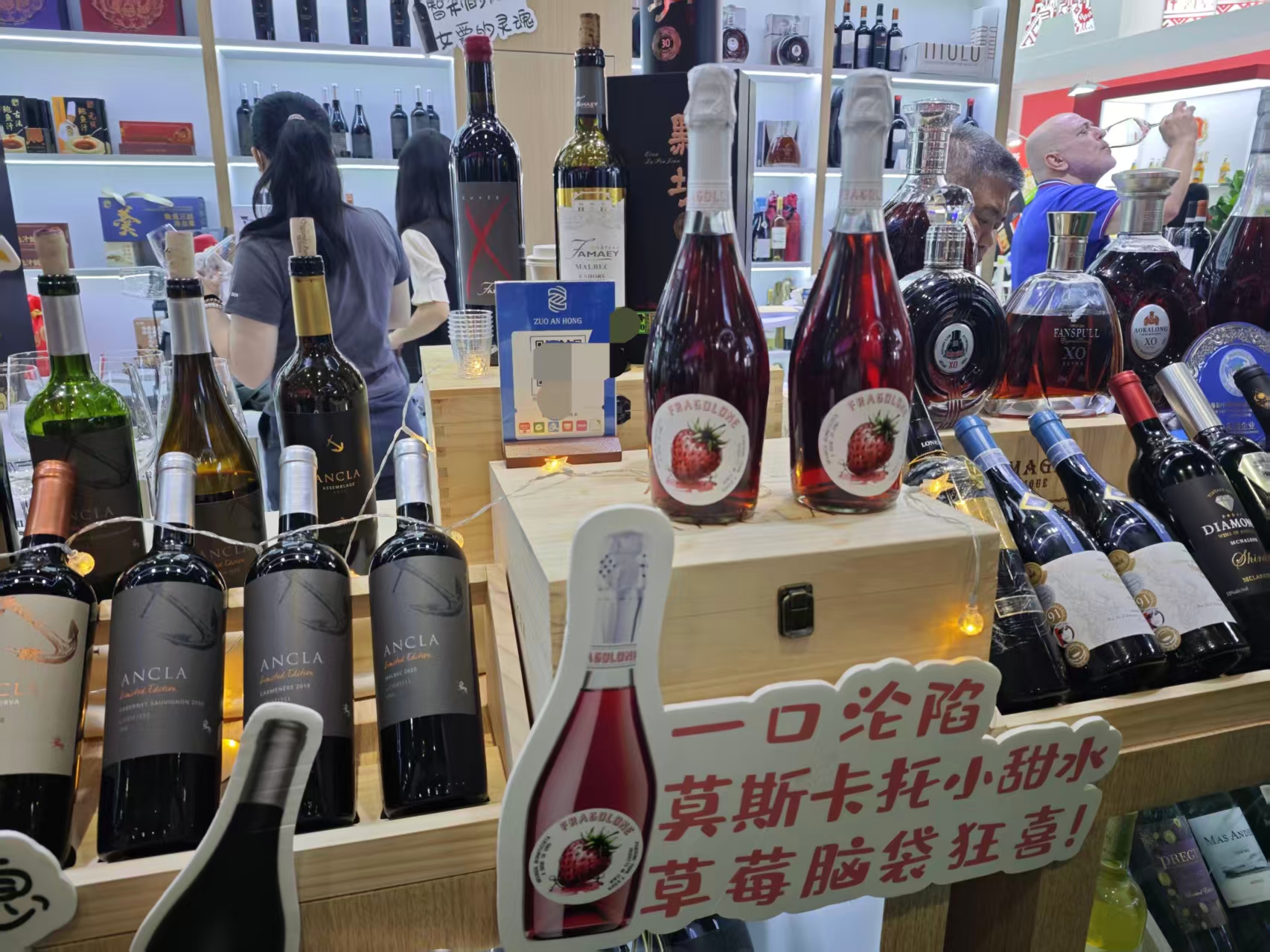
Core Insights - The eighth China International Import Expo (CIIE) has become a platform for wine merchants from countries like France, Australia, and Canada to seek opportunities amidst a challenging domestic wine market [1][2] - China's wine market is undergoing significant adjustments, with a 20.1% year-on-year decline in wine imports from January to August 2025, reflecting broader economic and demographic shifts [1][4] Industry Overview - The Chinese wine market is experiencing a "volume down, price up" trend, with total wine imports valued at $2.43 billion, a 13.3% decrease year-on-year, while the average price of imported bottled wine has increased from $8.7 to $9.5 per liter [4][5] - Factors influencing this trend include macroeconomic conditions, generational changes in consumer demographics, and a growing health-conscious mindset regarding alcohol consumption [4][5] Market Challenges - The wine industry has faced challenges due to a reduction in business consumption scenarios, with some merchants reporting a 50% decline in import demand compared to seven years ago [2][4] - The overall alcohol consumption market is also affected, with a noted 33% drop in sales for certain products targeting female consumers [2][4] Product Innovation - In response to market conditions, many wine brands are focusing on low-alcohol and non-alcoholic products to capture daily consumption scenarios [6][7] - New product launches include flavored wines and low-alcohol options, which have gained popularity among female consumers at the expo [6][7] Growth Opportunities - The low-alcohol and non-alcoholic wine market is projected to grow, with significant investments being made by companies like Treasury Wine Estates to develop production lines for these products [7][8] - The market for low-alcohol and non-alcoholic beverages is expected to see a compound annual growth rate of 4% from 2024 to 2028, indicating a shift in consumer preferences [8]

进博观察:进口酒商押宝低度无醇赛道,转向葡萄酒日常饮用场景
Bei Ke Cai Jing· 2025-11-08 15:00
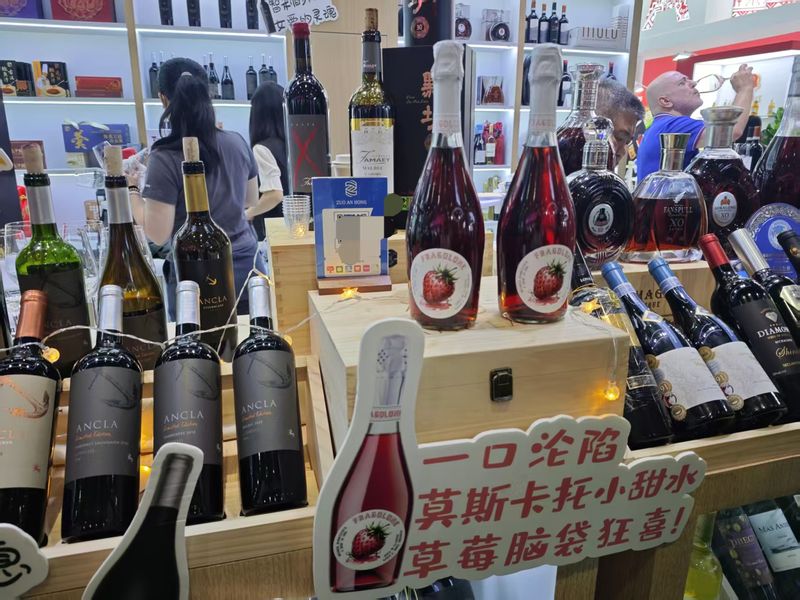
Core Insights - The eighth China International Import Expo (CIIE) has become a platform for wine merchants from countries like France, Australia, and Canada to seek opportunities amid a challenging domestic wine market [1][4] - China's wine market is undergoing significant adjustments, with a 20.1% year-on-year decline in wine imports from January to August 2025, indicating a shift in consumer behavior and market dynamics [1][5] Industry Overview - The Chinese wine market has faced a deep adjustment phase, with mainstream business consumption scenarios shrinking while daily drinking scenarios remain underexplored [1][5] - The overall wine import volume decreased by 20.1% to 1.5 billion liters, while the import value of wine was $10.1 billion, down 2.9% [5] - The average import price of bottled wine under 2 liters increased from $8.7 per liter in 2024 to $9.5 per liter in the first eight months of 2025, reflecting a trend of "less volume, more value" [5][6] Consumer Trends - The decline in wine consumption is attributed to factors such as macroeconomic conditions, generational changes in consumer demographics, and a growing health-conscious mindset regarding alcohol consumption [5][6] - The demand for wine is primarily concentrated in business settings and holiday gifting, with limited growth in household consumption [4][5] Product Innovations - In response to market challenges, wine brands are focusing on low-alcohol and non-alcoholic products to tap into daily consumption scenarios [7][9] - New product launches include low-alcohol wines and non-alcoholic options, such as a strawberry-flavored sparkling wine with 7.5% alcohol and a non-alcoholic wine that retains the flavor of traditional wine [7][9] - The market for non-alcoholic beverages is growing, with imports of such products increasing by 5.17% in volume and 26.94% in value in the first half of 2025 [9][10] Future Outlook - Certain segments within the wine industry, such as sparkling wines, low-alcohol, and organic wines, are expected to see growth despite the overall market challenges [10] - The global trend towards low-alcohol and non-alcoholic products is gaining momentum, with an estimated annual growth rate of 4% in consumption volume from 2024 to 2028 [10]