
无醇葡萄酒

Search documents
新春中国行|“全球购”:中国民众年货里的世界味道
Sou Hu Cai Jing· 2026-02-12 14:38
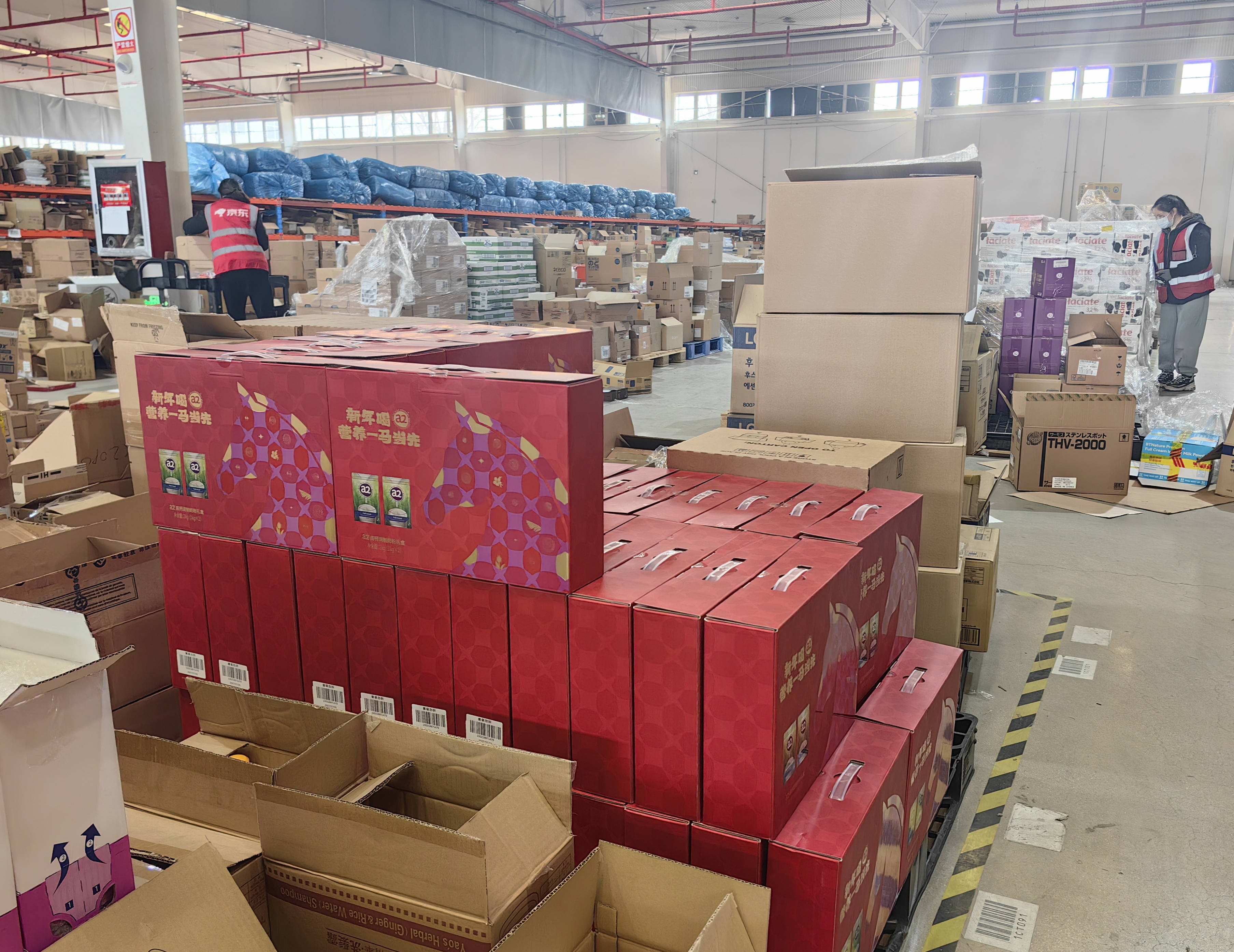
Group 1 - The article highlights the increasing trend of Chinese consumers purchasing foreign goods for the Spring Festival, reflecting a shift in shopping habits due to the growth of e-commerce [1][4] - Various international products, including Japanese cosmetics, Korean face masks, American health supplements, New Zealand milk powder, Belgian chocolates, and British vacuum cleaners, are now commonly found in Chinese consumers' shopping carts [1] - The cross-border e-commerce center in Yantai is experiencing significant activity, with 15,000 orders shipped daily, indicating a robust demand for imported goods [4] Group 2 - The sales of imported products, such as Spanish sparkling wine and Italian Moscato, have seen substantial increases, with some items experiencing over a threefold rise in sales [5] - The improvement of supply chains and customs processes, including a "first release, then tax payment" policy, has facilitated the influx of foreign goods into the Chinese market [8] - The establishment of a rapid customs clearance channel in Yantai has enhanced the efficiency of cross-border e-commerce, allowing for next-day delivery of orders placed on certain platforms [8]

互联网赋能烟台葡萄酒产业:特色产区品牌迈向全域市场!
Sou Hu Cai Jing· 2026-01-06 07:44
Core Insights - The Chinese wine industry is undergoing a significant transformation driven by consumption upgrades and industrial transitions, moving from scale expansion to quality enhancement [1] - Yantai, as a key wine production area, is leveraging its historical winemaking heritage and quality resources to become a benchmark for industry transformation [1] Industry Trends - The domestic wine market is in a deep adjustment phase, with domestic wine production decreasing by 24.3% and imported wine volumes down by 20.1% from January to August 2025 [1] - Despite overall market challenges, segments like low-alcohol and non-alcoholic wines are experiencing growth, with non-alcoholic wine sales on Meituan increasing by over 200% in early 2025 [1] - Yantai's online export value grew by 47% from January to September 2025, with the Southeast Asian market seeing an 82% growth [1] Digital Transformation - The "Internet+" wave is providing critical pathways for Yantai's wine industry to overcome development bottlenecks, enabling direct access to consumers and restructuring the value chain [2] - The integration of "digital planting + online marketing" has become mainstream, enhancing wine quality stability and providing digital support for product traceability [2] - Local enterprises are utilizing e-commerce platforms for brand promotion, with sales of premium domestic wines priced over 1,000 yuan increasing by over 200% [2] Strategic Directions - Yantai wine industry practitioners need to focus on three core areas for business growth: precise demand matching, visualizing brand stories, and optimizing distribution efficiency [4] - Data analysis on online platforms can help identify consumer preferences, leading to the development of innovative products targeting younger demographics [4] - The platform aims to enhance brand visibility, improve supply-demand matching, and effectively communicate brand culture [4] Support Initiatives - The Yantai Wine Public Platform has launched diverse support policies for industry participants, offering free information services and online training courses to enhance operational capabilities [5] - A regional partner program has been established to provide localized operational support, including marketing strategies and customer resource connections [6] - The platform has integrated third-party resources to offer comprehensive services, including low-interest loans, customized logistics, and quality assurance [6] Future Outlook - The digital integration in the wine industry is expected to deepen, with quality stability, cultural uniqueness, digital penetration, and low-carbon levels becoming core competitive dimensions [6] - The Yantai Wine Public Platform aims to enhance data empowerment and cross-border service capabilities, facilitating better global market access for Yantai wines [6]

“无醇葡萄酒”市场乱象调查:披“无醇”外衣 葡萄汁变身葡萄酒
Xin Lang Cai Jing· 2025-12-25 17:23
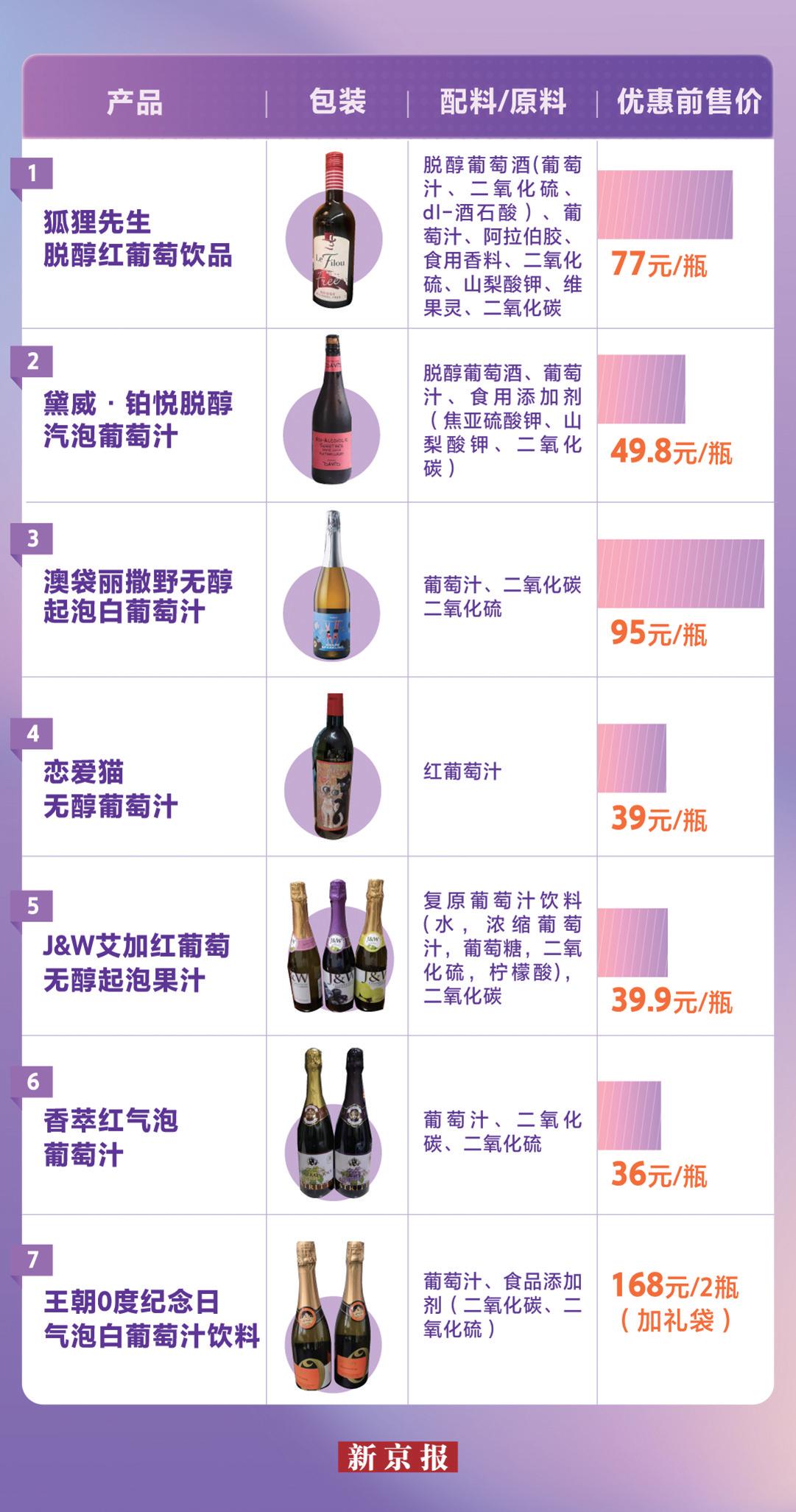
Core Viewpoint - The non-alcoholic wine market is experiencing a trend towards youthfulness and lower alcohol content, with non-alcoholic wines emerging as a popular alternative that retains the flavor and social attributes of traditional wines while eliminating health risks associated with alcohol consumption [1][5][21]. Group 1: Market Overview - A recent investigation revealed that out of 11 sampled products, only 4 were clearly labeled as "wine," while others were misrepresented as non-alcoholic wines but were actually unfermented grape juice [1][5]. - The non-alcoholic wine market in China is expected to enter a developmental "first year" by 2025, with major brands like Zhangyu and Great Wall entering the sector [5][21]. - The lack of clear standards for non-alcoholic wines in China has led to confusion among consumers regarding the distinction between non-alcoholic wines and grape juice products [2][21]. Group 2: Product Analysis - Among the 11 products analyzed, only 4 were labeled as "non-alcoholic wine," while the remaining 7 were labeled as "grape juice" or "grape beverage," making it difficult for consumers to discern their true nature [5][6]. - The ingredients of the products labeled as "non-alcoholic wine" often included grape juice and additives, which can mislead consumers regarding their actual content [6][17]. - Some products marketed as "0% alcohol" were found to contain alcohol levels of 0.5% vol, raising concerns about misleading labeling practices [18][19]. Group 3: Regulatory Environment - Current regulations in China do not provide a clear definition for "non-alcoholic wine," leading to inconsistencies in labeling and marketing practices [2][21]. - The introduction of new standards in 2024 is expected to clarify the definition of non-alcoholic wine, distinguishing it from grape juice products and ensuring proper labeling [22][23]. - The absence of a separate customs code for imported non-alcoholic wines complicates the classification and labeling of these products, often leading to misrepresentation [22][23].
进博观察:进口酒商押宝低度无醇赛道,转向葡萄酒日常饮用场景
Bei Ke Cai Jing· 2025-11-08 15:00
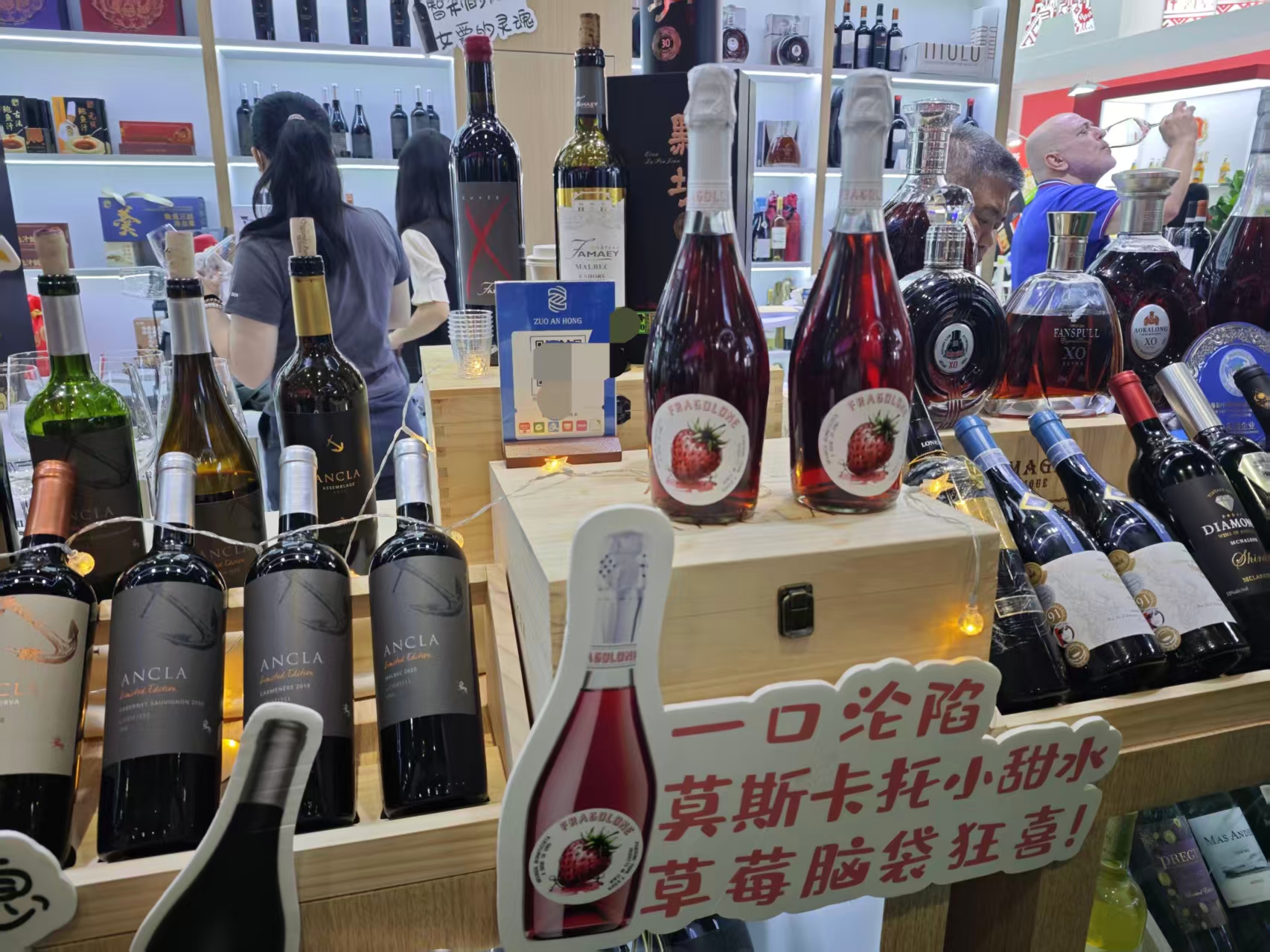
Core Insights - The eighth China International Import Expo (CIIE) has become a platform for wine merchants from countries like France, Australia, and Canada to seek opportunities amid a challenging domestic wine market [1][4] - China's wine market is undergoing significant adjustments, with a 20.1% year-on-year decline in wine imports from January to August 2025, indicating a shift in consumer behavior and market dynamics [1][5] Industry Overview - The Chinese wine market has faced a deep adjustment phase, with mainstream business consumption scenarios shrinking while daily drinking scenarios remain underexplored [1][5] - The overall wine import volume decreased by 20.1% to 1.5 billion liters, while the import value of wine was $10.1 billion, down 2.9% [5] - The average import price of bottled wine under 2 liters increased from $8.7 per liter in 2024 to $9.5 per liter in the first eight months of 2025, reflecting a trend of "less volume, more value" [5][6] Consumer Trends - The decline in wine consumption is attributed to factors such as macroeconomic conditions, generational changes in consumer demographics, and a growing health-conscious mindset regarding alcohol consumption [5][6] - The demand for wine is primarily concentrated in business settings and holiday gifting, with limited growth in household consumption [4][5] Product Innovations - In response to market challenges, wine brands are focusing on low-alcohol and non-alcoholic products to tap into daily consumption scenarios [7][9] - New product launches include low-alcohol wines and non-alcoholic options, such as a strawberry-flavored sparkling wine with 7.5% alcohol and a non-alcoholic wine that retains the flavor of traditional wine [7][9] - The market for non-alcoholic beverages is growing, with imports of such products increasing by 5.17% in volume and 26.94% in value in the first half of 2025 [9][10] Future Outlook - Certain segments within the wine industry, such as sparkling wines, low-alcohol, and organic wines, are expected to see growth despite the overall market challenges [10] - The global trend towards low-alcohol and non-alcoholic products is gaining momentum, with an estimated annual growth rate of 4% in consumption volume from 2024 to 2028 [10]
财报解读|前三季度国产、进口葡萄酒调整仍未见底,无醇化能否破局?
Di Yi Cai Jing· 2025-11-03 06:13
Core Viewpoint - The domestic wine industry in China is experiencing a significant downturn, with both domestic and imported wine markets showing declining trends, while non-alcoholic wine imports are witnessing double-digit growth, potentially offering a new growth avenue for the industry [1][6]. Group 1: Domestic Wine Market Performance - In the first three quarters of the year, major domestic wine companies reported a decline in performance, with Zhangyu's revenue at 2.12 billion yuan, down 3.7% year-on-year, and a net profit of 191.7 million yuan, down 31% [2]. - Other companies like Weilang and CITIC Nia also reported significant revenue declines of 17.4% and 2.2%, respectively, indicating a broader trend of financial struggles within the industry [2][5]. - The overall market for bottled wine under 2 liters saw a 15% decrease in import value, amounting to 1 billion USD, and a 3.4% drop in import volume [5]. Group 2: Changes in Consumer Behavior - The decline in wine consumption is attributed to changing consumer preferences, with a notable shift towards social drinking rather than home consumption, which has not kept pace with market demands [6]. - The economic environment has impacted wine consumption, as it is considered a non-essential product, leading to a long-term decline in consumption scenarios [5][6]. Group 3: Opportunities in Non-Alcoholic Wine - The import of low-alcohol and non-alcoholic products is on the rise, with low-alcohol beverage imports increasing by 31.4% and non-alcoholic beverage imports by 23.1% in the first eight months of 2025 [6][8]. - Industry experts believe that the growth of non-alcoholic wine is not a short-term trend but a structural long-term opportunity driven by health-conscious consumer behavior [8]. - The market for non-alcoholic wine is expected to face challenges such as consumer awareness, brand fragmentation, and technical barriers, with widespread acceptance anticipated by 2030 [8].


张 裕A(000869) - 000869张 裕A投资者关系管理信息20250526
2025-05-26 08:00
External Factors - The consumption situation has sharply declined, with consumers tightening their spending, leading to a critical point where wine consumption drastically dropped in the second half of last year [1][2] - The consumption scenarios have also shrunk significantly, with both social and personal consumption needs not being met, resulting in a long-term decline in wine consumption [2] - The driving force from distribution channels has weakened, as most distributors also handle white wine, which has been under pressure, leading to a marginalization of wine sales [2] Internal Factors - Product innovation has been insufficient, with many new products not achieving the desired consumer satisfaction, limiting their contribution to sales [2][3] - Channel innovation has been lacking, with attempts to find new distributors yielding weak results [2] - Marketing efforts have been limited due to budget constraints, resulting in a vicious cycle of reduced visibility and sales [2][3] Market Analysis - In the past year, the total revenue of 10 listed wine companies was only 4.5 billion yuan, with a net profit of 180 million yuan, showing a slight improvement but still reflecting significant losses over the past decade [4] - The wine industry is facing a severe downturn, with 772 wine companies having closed, indicating a critical state of decline [4][5] - The online and offline competition is intensifying, with major platforms engaging in price wars, negatively impacting profit margins for distributors [5] Future Outlook - The company aims to achieve a revenue target of no less than 3.4 billion yuan this year, reflecting a modest increase from last year's 3.277 billion yuan [6] - The gross profit margin from domestic operations is expected to remain around 61%, with challenges in increasing product prices due to consumer spending trends [6] - The company is focusing on localized market breakthroughs and enhancing marketing capabilities to better connect with consumers [6][7] Strategic Initiatives - The company plans to enhance its digital marketing efforts, leveraging consumer data to improve targeting and engagement [7][8] - New product categories are being explored, including low-alcohol and herbal wines, to meet emerging consumer demands [12][14] - Collaborations with new retail formats are being pursued to adapt to changing market dynamics and improve supply chain efficiency [14][15]