葡萄酒和香槟

Search documents
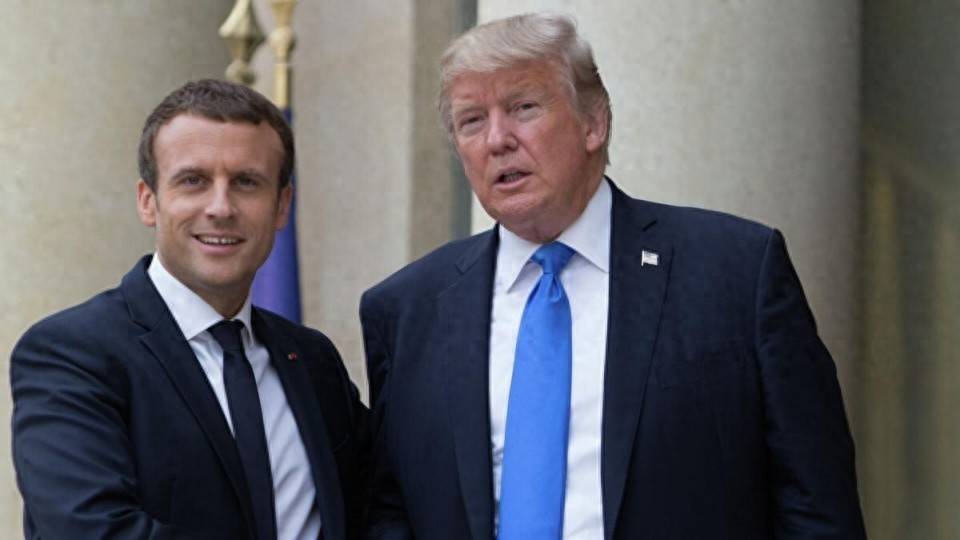
特朗普没想到,中国和加拿大签约不到5天,英法两国双双示好中国
Sou Hu Cai Jing· 2026-01-24 11:44
Core Viewpoint - The article discusses the shift in Western countries' attitudes towards China, highlighting how nations like Canada, the UK, and France are seeking closer ties with China in response to the pressures of Trump's "America First" strategy, indicating a potential realignment of international relations [1][3][15]. Group 1: Canada's Shift - Canada has unexpectedly reduced tariffs on Chinese electric vehicles from 100% to 6.1% and committed to importing 49,000 units annually after Prime Minister Carney's visit to China [3]. - Following Carney's return, China placed a significant order for 60,000 tons of canola seeds, revitalizing Canadian farmers' hopes [4]. - The shift in Canada's policy is attributed to the realization that aligning too closely with the U.S. could undermine its international standing [4]. Group 2: UK and France's Engagement - The UK has approved the long-delayed project for a new Chinese embassy in London, signaling a pragmatic approach to relations with China [6]. - French President Macron openly called for increased Chinese investment in Europe during the Davos forum, reflecting a desire for economic cooperation [4][6]. - Both countries' gestures are seen as responses to the pressures exerted by the U.S., particularly in light of Trump's aggressive trade policies [12][15]. Group 3: Underlying Motivations - The article suggests that the Western countries' overtures to China stem from fear of U.S. bullying rather than genuine ideological alignment with China [15]. - The dynamics of international relations are shifting, with countries recognizing that their true adversary may not be China but rather the U.S. itself [6][13]. - The ongoing trade tensions and tariffs imposed by the U.S. have prompted these nations to reconsider their alliances and seek alternative partnerships [10][13].

被普京说中了,当着特朗普的面,马克龙把大国安排进了欧美争斗
Sou Hu Cai Jing· 2026-01-23 11:37
Group 1 - The core conflict between the US and Europe is escalating, with Macron's refusal to join a US-led "Peace Committee" leading to increased tensions and retaliatory measures from Trump [1][4][6] - Trump's proposed 200% tariffs on French wine and champagne, which amount to over 4.5 billion euros in annual exports to the US, signify a shift in US trade policy that prioritizes national interests over traditional alliances [3][4] - The economic pressure exerted by the US is not limited to tariffs; it also includes geopolitical maneuvers, such as Trump's interest in Greenland, which has drawn opposition from multiple European nations [6][8] Group 2 - Macron's strategy to engage major powers in Europe involves encouraging investment while simultaneously demanding technology transfers to address trade imbalances, reflecting a complex diplomatic approach [13][19] - The response from major powers indicates a rejection of Macron's demands for technology transfer, emphasizing that their technological advancements are a result of market competition rather than subsidies [15][17] - The overall sentiment suggests that Macron's attempts to leverage major powers against the US may backfire, as these nations prioritize mutual benefit and are unlikely to engage in unequal transactions [20]