蓝宝宝

Search documents
年末揽储旺季之际,部分中小银行竟“不玩了”?
Sou Hu Cai Jing· 2025-11-30 05:47
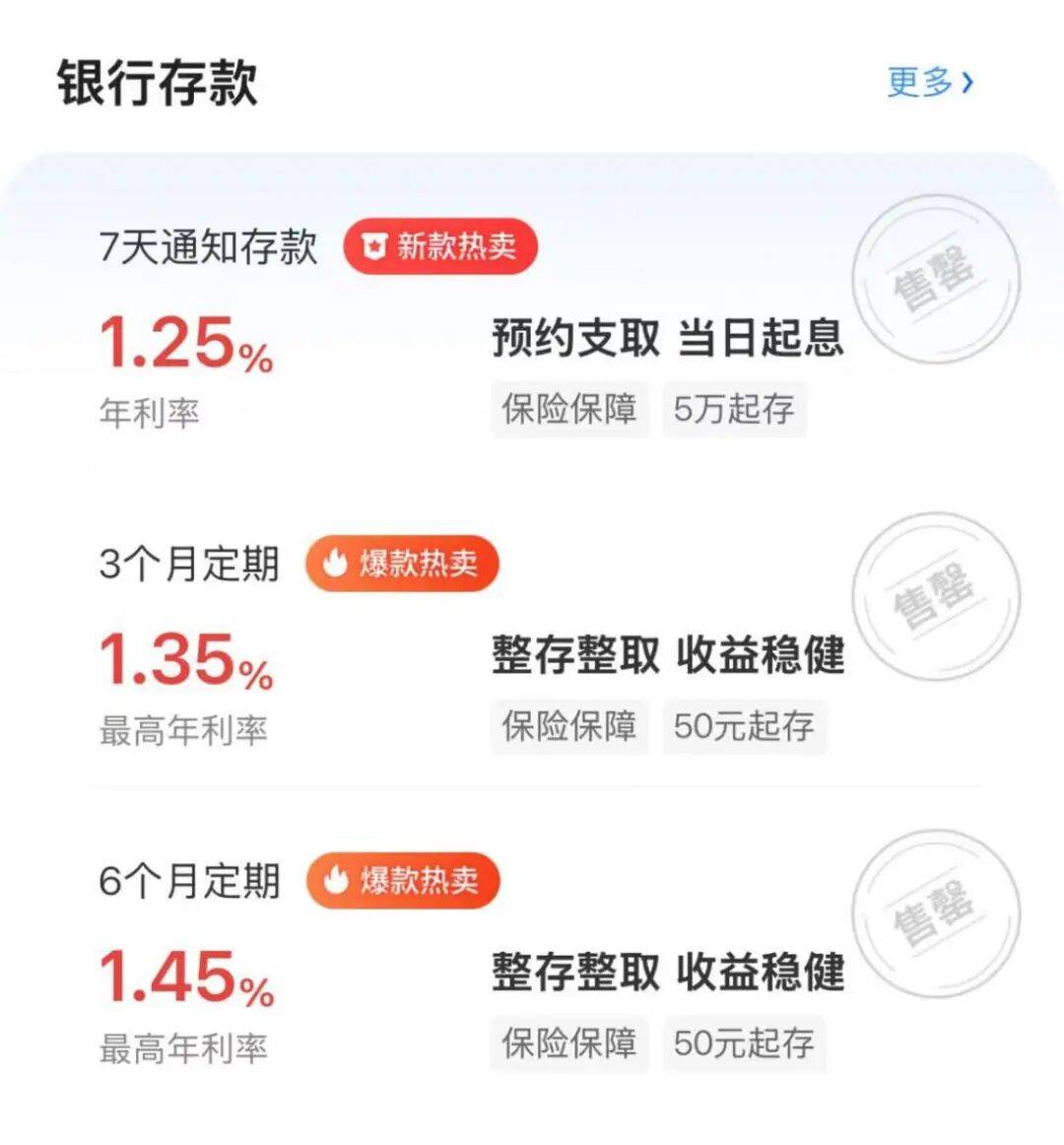
Core Viewpoint - Blue Ocean Bank has marked all its deposit products as "sold out" during the year-end deposit gathering season, which is an unusual move that has attracted market attention [1][8]. Summary by Sections Deposit Products Status - All deposit products, including various term deposits such as 7-day notice deposits and 3-month, 6-month fixed deposits, are currently showing a "sold out" status on Blue Ocean Bank's mobile banking app [1][3]. - The bank's signature deposit product, "Blue Baby," which offers terms ranging from 3 months to 5 years, is also marked as "sold out" [3]. Interest Rates and Adjustments - The interest rates for the "Blue Baby" products are as follows: 1.35% for 3-month, 1.45% for 6-month, 1.65% for 1-year, 1.85% for 2-year, and 2.00% for 3-year deposits [4]. - Blue Ocean Bank has frequently lowered its deposit rates, with eight rate cuts in the first half of the year alone. For instance, on November 1, the bank announced a rate adjustment for several products, reducing rates to 1.25% [6]. Financial Performance - Blue Ocean Bank is facing a dual challenge of declining revenue and net profit, with reported figures showing a revenue of 1.452 billion yuan, down 39.42% year-on-year, and a net profit of 415 million yuan, down 47.86% [8]. - The bank's net interest margin has decreased to 2.35%, a drop of 1.99 percentage points compared to the previous year [8]. Industry Trends - The move by Blue Ocean Bank is not isolated; several other small and private banks are also withdrawing medium- to long-term deposit products, indicating a broader trend in the banking sector [9][10]. - Analysts suggest that the withdrawal of these products is a response to the pressure on net interest margins and the need to control high-cost liabilities in a challenging economic environment [10].

年末揽储旺季之际 部分中小银行竟“不玩了”?
Zhong Guo Ji Jin Bao· 2025-11-29 11:24
Core Viewpoint - Blue Ocean Bank has marked all its deposit products as "sold out" during the year-end deposit gathering season, a rare occurrence in the industry [1][9]. Group 1: Deposit Products Status - All deposit products of Blue Ocean Bank, including various term deposits, are currently showing as "sold out" on their mobile banking app [1][3]. - The bank's customer service confirmed that the subscription quotas for term deposits have been full for several months, particularly for 3-year and 5-year deposits [3][4]. - A specific product named "Blue Baby," which offers terms from 3 months to 2 years, also shows as "sold out" despite being highlighted for potential availability [4]. Group 2: Interest Rate Adjustments - Blue Ocean Bank has frequently lowered its deposit interest rates, with eight rate cuts occurring in the first half of the year alone [7]. - Recent adjustments have seen rates for certain products drop significantly, such as the "Blue Baby B7 Days" product, which was reduced from 2.4% to 2.2% [7]. Group 3: Market Context and Implications - The unusual "sold out" status of deposit products is interpreted as a strategy to reduce high-cost liabilities rather than a response to increased deposit demand [9][10]. - The bank is facing challenges with declining revenue and net profit, with reported figures showing a 39.42% decrease in revenue and a 47.86% drop in net profit year-on-year [9]. - The net interest margin has also decreased to 2.35%, down 1.99 percentage points from the previous year, indicating pressure on profitability [9]. Group 4: Industry Trends - Other small and medium-sized banks are also withdrawing long-term deposit products, reflecting a broader trend in the banking sector [10][11]. - Analysts suggest that the high interest rates on long-term deposits are unsustainable in the current economic environment, leading banks to pause deposit gathering to manage costs [11].
年末揽储旺季之际,部分中小银行竟“不玩了”?
中国基金报· 2025-11-29 11:23
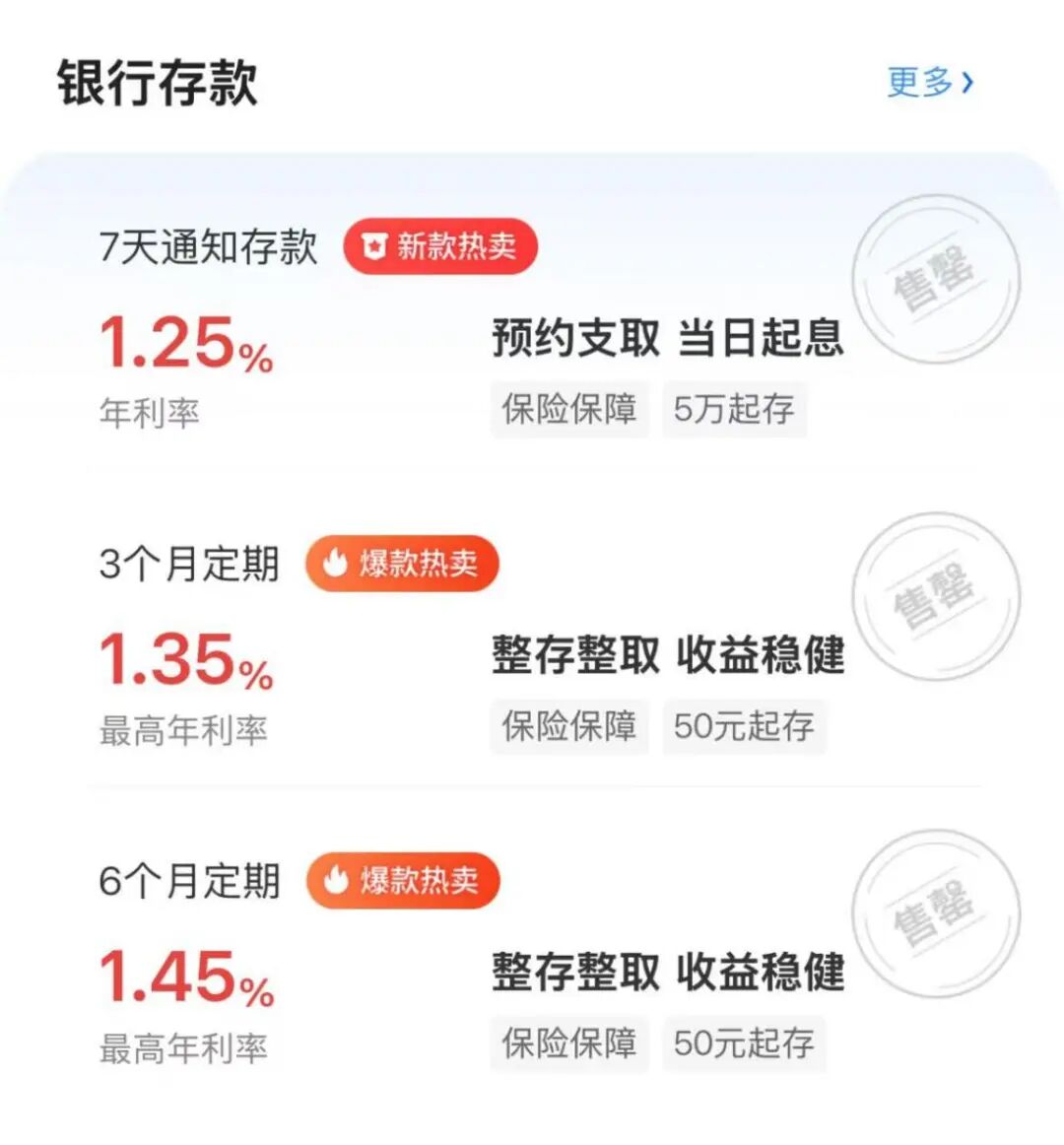
Core Viewpoint - Blue Ocean Bank has marked all its deposit products as "sold out" during the year-end deposit season, a rare occurrence in the industry, indicating a strategic move to manage high-cost liabilities rather than a typical increase in deposit marketing efforts [2][11]. Summary by Sections Deposit Products Status - As of November 28, all deposit products, including 7-day notice deposits and various term deposits, are showing a "sold out" status on Blue Ocean Bank's mobile banking app [3][5]. - The bank's customer service confirmed that the subscription quotas for all term deposit products are full, particularly for the 3-year and 5-year deposits, which have not been available for several months [5][9]. Interest Rates and Adjustments - The bank's unique deposit product, "Blue Baby," which offers terms from 3 months to 5 years, has also shown a "sold out" status despite previously advertised interest rates ranging from 1.35% to 2% [5][7]. - Blue Ocean Bank has frequently lowered its deposit rates, with eight rate cuts in the first half of the year alone. For instance, on November 1, the rates for certain products were adjusted to 1.25% [9][11]. Market Context and Implications - The unusual "sold out" status of deposit products at Blue Ocean Bank has drawn significant market attention, with analysts suggesting it reflects a broader trend among small and medium-sized banks to reduce high-cost liabilities due to narrowing net interest margins [11][12]. - Financial performance data indicates that Blue Ocean Bank is facing challenges, with a reported revenue of 1.452 billion yuan, down 39.42% year-on-year, and a net profit of 415 million yuan, down 47.86% [11][12]. - The bank's net interest margin has decreased to 2.35%, a drop of 1.99 percentage points from the previous year, highlighting the financial pressures it faces [11][12]. Industry Trends - Other small and medium-sized banks are also withdrawing long-term deposit products, with several banks, including those in Inner Mongolia, announcing the cancellation of 5-year fixed deposits [12][13]. - Analysts attribute this trend to the high interest rates on long-term deposits, which pressure banks' net interest margins, and a lack of high-yield assets to match high-cost liabilities in a weak credit demand environment [13].