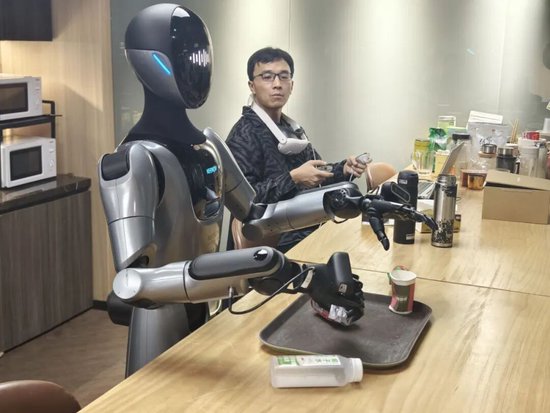
蓝领人形机器人

Search documents
深度丨场景、数据、量产!三大关键词透视“具身智能元年”含金量
Xin Lang Cai Jing· 2025-12-12 00:29
Core Insights - 2025 is referred to as the "Year of Embodied Intelligence," where embodied intelligent robots are transitioning from laboratories to commercial applications, evolving from mere demonstrations to practical productivity tools [1][15] - The industry recognizes that high-quality data is essential for the evolution of embodied intelligence, serving as the "fuel" for its development [1][15] - The ability of companies to scale production and establish a commercial closed loop will be a critical test for the entire industry [1][15] Industry Trends - Companies are focusing on deploying robots in specific manufacturing and service scenarios, with most robots currently limited to simple tasks such as guiding, education, and delivery [16][18] - The industry is adopting a "job specialization" strategy, where robots are developed to excel in specific roles, such as delivery robots evolving from basic platforms to specialized functions for hotels and hospitals [18][20] - The path recognized by the industry involves starting with high controllability and fault tolerance areas like industrial and logistics sectors to accumulate real data before moving to more complex home service scenarios [18][20] Data as a Foundation - The key to making robots more useful lies in training data, which is scarce and costly to collect, prompting efforts to build data collection factories and standardized datasets [22][24] - Companies are utilizing a combination of real machine data, simulated data, and expert skill databases to train robots effectively [22][24] - A stable data system is being established, where real machine data helps refine simulated data, and expert data sets high standards for robot skills [22][24] Production Capabilities - The industry is beginning to demonstrate production capabilities, with companies like Zhiyuan announcing the mass production of their general-purpose embodied robot, Lingxi X2, marking a shift to commercial viability [10][24] - The demand for humanoid robots is being scrutinized, with experts urging the distinction between production driven by genuine market needs versus those driven by subsidies and investment hype [24][25] - The upcoming year is seen as crucial for testing production capabilities, with companies preparing for increased order fulfillment and potential challenges in meeting demand [12][24] Future Outlook - The development of embodied intelligence is expected to take at least another decade to mature, although societal openness may accelerate commercialization [13][25] - The industry is still navigating a lengthy development period, with ongoing debates about core technologies and the evolution of robot intelligence [25][26]

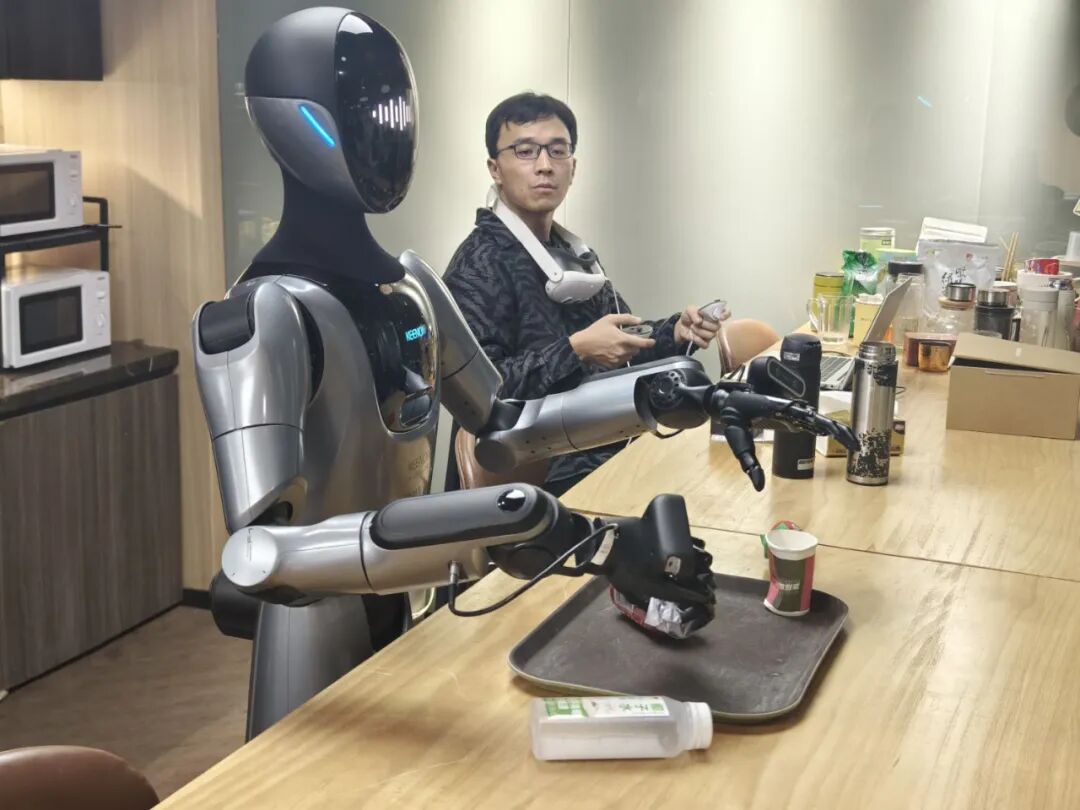
场景、数据、量产!三大关键词透视“具身智能元年”含金量
Zheng Quan Shi Bao· 2025-12-12 00:16
Core Insights - 2025 is anticipated to be the "Year of Embodied Intelligence," with embodied intelligent robots transitioning from laboratories to commercial applications, evolving from mere demonstrations to practical productivity tools [1] - The industry recognizes that the evolution of robots from being merely functional to intelligent relies heavily on high-quality data, which serves as the "fuel" for this transformation [1] Industry Trends - The primary focus for embodied intelligence companies this year is to deploy robots in specific manufacturing and service scenarios, making them effective productivity tools [2] - Most robots currently perform simple tasks such as guiding, education, transportation, and delivery, indicating that the practical application of embodied intelligence is still in its early stages [2] - The development of humanoid robots is compared to that of a toddler, emphasizing the need for gradual learning and skill acquisition [2] Company Strategies - Shanghai Qingtong Intelligent Technology Co., Ltd. has deployed over 100,000 robots globally, particularly excelling in delivery service robots, and has developed a "job-oriented" strategy to deepen expertise in specific roles [4] - The "job-oriented" strategy involves starting with a basic platform and gradually adding specialized features for different sectors, such as hotels and hospitals [4] - Companies like Shanghai Kepler Robot Co., Ltd. focus on creating "blue-collar humanoid robots" to enhance intelligent manufacturing and logistics, addressing challenges in dynamic environments and heavy load handling [4] Data Utilization - The industry has shifted focus from hardware and algorithms to the importance of training data, which is scarce and costly to collect [8] - Companies are actively building data collection factories and standardized data platforms to provide essential data for training embodied intelligent robots [8] - A stable "inverted triangle" data system is proposed, combining real machine data, simulated data, and expert skill databases to enhance robot training [8] Production Capabilities - The industry is beginning to demonstrate mass production capabilities, with companies like Zhiyuan announcing the mass production of their general-purpose humanoid robot [9] - The demand for humanoid robots is being scrutinized, with concerns about whether production is driven by genuine market needs or merely by policy incentives and investment trends [10] - Companies are preparing for a critical year ahead to validate their production capabilities and ensure they can meet order demands [10] Market Challenges - The commercial viability of robots hinges on their ability to either increase revenue or reduce costs, with many robots priced in the hundreds of thousands, making them difficult to justify in real-world applications [11] - The industry is expected to undergo a lengthy development cycle, with a consensus that it will take at least another decade for embodied intelligence to mature [11] - Despite the challenges, there is a societal openness towards embodied intelligence, which may accelerate the commercialization process [11]
场景、数据、量产——三大关键词 透视“具身智能元年”含金量
Zheng Quan Shi Bao· 2025-12-11 22:21
Core Insights - 2025 is referred to as the "Year of Embodied Intelligence," with collaborative efforts from capital, policy, and industry chains driving embodied intelligent robots from laboratories to commercial applications, transitioning from technical demonstrations to practical productivity tools [1] Group 1: Industry Trends - The primary focus of embodied intelligence companies this year is to move robots from laboratories into specific manufacturing and service scenarios, making them effective productivity tools [2] - Most robots currently perform simple tasks such as guiding, education, transportation, and delivery, indicating that the practical application of embodied intelligence is still in its early stages [2] - The industry recognizes a common path of starting with high controllability and fault tolerance areas like industrial and logistics sectors to accumulate real data before advancing to more complex home service scenarios [3] Group 2: Company Strategies - Shanghai Qingtong Intelligent Technology Co., Ltd. has deployed over 100,000 robots globally, particularly excelling in delivery service robots, and has developed a "job-oriented" strategy focusing on deep specialization in single roles [2] - Shanghai Kepler Robotics Co., Ltd. aims to create "blue-collar humanoid robots" to empower intelligent manufacturing and logistics, addressing core pain points in dynamic environments and heavy load precision handling [3] - Shanghai Zhuoyide Robotics Co., Ltd. has achieved commercial closure in scenarios like guiding and performance, with plans to expand into home needs such as health companionship and household chores within five years [4] Group 3: Data and Training - The industry has shifted focus from hardware and algorithms to the importance of training data, which is scarce and costly to collect, leading to the establishment of data collection factories and standardized data platforms [5] - The data sources for robot training include real machine data, simulated synthetic data, and expert skill databases, forming a stable data system that enhances training quality [6] - Training for robots involves two stages: foundational training in industrial scenarios and specialized adaptation training in specific fields, with the latter requiring significantly less time [7] Group 4: Production and Market Challenges - The ability to mass-produce robots is a key indicator of the industry's maturity, with companies like Zhiyuan announcing significant milestones in production capacity [8] - The commercial viability of humanoid robot orders is questioned, as the industry must differentiate between demand driven by genuine market needs versus subsidies and investment hype [8] - The cost of robots, often in the hundreds of thousands, poses a challenge for market entry, necessitating sustained investment and data accumulation to improve operational capabilities and achieve cost reductions [9]
场景、数据、量产——三大关键词透视“具身智能元年”含金量
Zheng Quan Shi Bao· 2025-12-11 18:37
Core Insights - 2025 is referred to as the "Year of Embodied Intelligence," with collaborative efforts from capital, policy, and industry driving embodied intelligent robots from laboratories to commercial applications, transitioning from technical demonstrations to practical productivity tools [1] Group 1: Industry Trends - The primary focus for embodied intelligence companies this year is to move robots from laboratories into specific manufacturing and service scenarios, making them effective productivity tools [2] - Most robots currently perform simple tasks such as guiding, education, transportation, and delivery, indicating that the practical application of embodied intelligence is still in its early stages [2] - The industry consensus is to start with high controllability and high tolerance fields like industrial and logistics sectors to accumulate real data before advancing to more complex home service scenarios [3] Group 2: Company Strategies - Shanghai Qingtong Intelligent Technology Co., Ltd. has deployed over 100,000 robots globally, particularly excelling in delivery service robots, and has developed a "job-oriented" strategy to deepen functionality in specific roles [2] - Shanghai Kepler Robotics Co., Ltd. focuses on creating "blue-collar humanoid robots" for intelligent manufacturing and logistics, aiming to transition from traditional fixed-path operations to autonomous and flexible systems [3] - Shanghai Zhuoyide Robotics Co., Ltd. has achieved commercial closure in scenarios like guiding and performance, with plans to expand into home needs such as health companionship and household chores within five years [4] Group 3: Data and Training - The key to transitioning robots from being merely functional to being user-friendly lies in high-quality training data, which is scarce and costly to collect [5] - Companies are actively building data collection factories and standardized data platforms to support the training of embodied intelligent robots [5] - A stable data system is formed through three sources: real machine data, simulation data, and expert skill databases, with real machine data being crucial for understanding data boundaries [6] Group 4: Production and Market Challenges - The ability to mass-produce is a significant marker for the industry in 2025, with companies like Zhiyuan announcing the mass production of their 5,000th general-purpose humanoid robot [8] - The commercial viability of humanoid robot orders is questioned, with experts urging the need to differentiate between production driven by genuine market demand versus that driven by policy subsidies and investment hype [8] - The cost of robots, often in the hundreds of thousands, poses a challenge for market entry, as businesses need to ensure that the financial returns justify the investment [9]
人形机器人“备考”:会“搬砖”也会“插花” 参赛企业将各显神通
Zheng Quan Shi Bao Wang· 2025-12-09 14:53
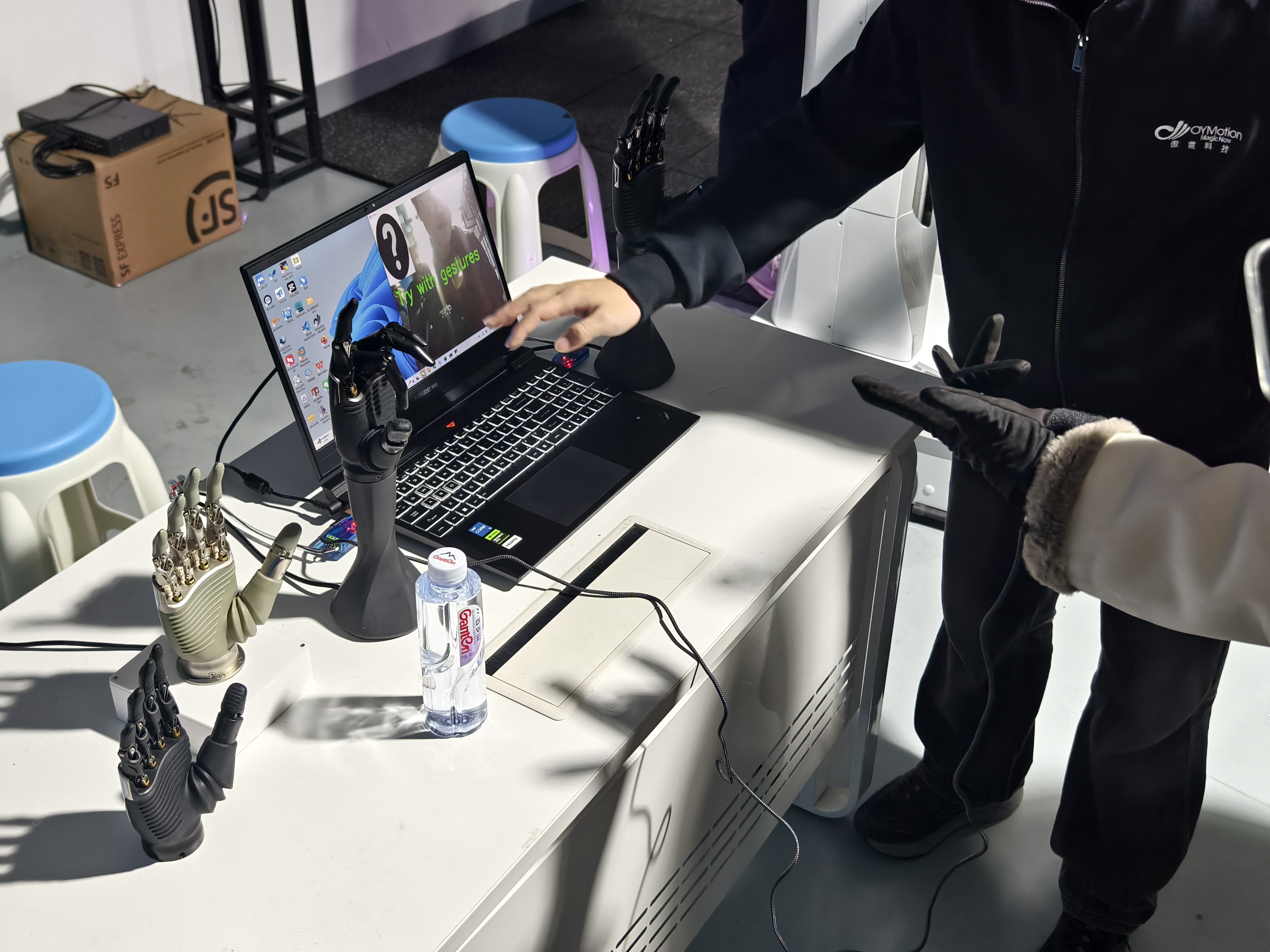
Group 1 - The 2025 Global Developer Pioneer Summit and International Embodied Intelligence Skills Competition (GDPS2025) will be held in Shanghai from December 12 to 14, featuring six major tracks and 17 events focused on both industrial and daily life skills for embodied intelligent robots [1] - The competition aims to integrate robots into households for tasks like folding clothes and arranging flowers, into hospitals for caregiving and emotional support, and into disaster scenarios to test survival and operational capabilities [1] - Expert judges will evaluate not only the technical performance of the robots but also their ability to provide humanistic care [1] Group 2 - Aoyitech will provide 30 high-performance dexterous hands for the competition, which are essential for humanoid robots to operate in physical environments [2] - The feedback from the competition will inform the next generation of Aoyitech's products, creating a positive feedback loop of technology, application, and iteration [2] - Aoyitech's technical support team will ensure the dexterous hands are properly deployed and ready to handle unexpected situations during the competition [2] Group 3 - The first full-size open-source humanoid robot, "Qinglong," has been developed by Humanoid Robotics (Shanghai) Co., which also established the first open-source community for humanoid robots [6] - The competition's home service track will challenge robots to perform tasks like folding clothes and organizing utensils in complex environments, testing their adaptability and robustness [6] - Zhu Yifan from Shanghai Kepler Robotics emphasized the shift from traditional fixed-path logistics to autonomous and flexible solutions in industrial settings [7] Group 4 - Kepler Robotics' "blue-collar humanoid robot" is designed for industrial logistics, addressing challenges in dynamic environments and heavy load precision handling [7] - The robot can operate for eight hours on a one-hour charge and can collaboratively handle loads of up to 30 kilograms [7] - The competition serves as a high-pressure test for the commercial viability of humanoid robots, requiring them to perform as reliable productivity tools rather than mere experimental devices [7] Group 5 - XMAN-R1, a service robot developed by Qinglong Intelligent, is prepared for the competition, which aims to validate the reliability and practicality of robots in real-world tasks [9] - Qinglong Intelligent holds a leading position in the commercial service robot market, with a global shipment share of 22.7% in 2024 and over 100,000 robots deployed across more than 600 cities worldwide [9]