藤椒调味油

Search documents
幺麻子北交所IPO获受理 2024年公司在中国藤椒油市场的占有率达到30%
Zheng Quan Shi Bao Wang· 2025-12-31 02:57
Core Viewpoint - Yao Mazi Food Co., Ltd. has received acceptance for its IPO on the Beijing Stock Exchange, indicating its growth and potential in the specialty seasoning market [1] Company Overview - Yao Mazi specializes in the research, production, and sales of unique seasoning products, primarily focusing on pepper oil and compound seasonings with a peppery flavor [1] - The company has established a product matrix centered around pepper oil, featuring compound seasonings and local specialty foods [1] Market Position - Yao Mazi is recognized as a pioneer in the domestic pepper oil seasoning category and is one of the largest manufacturers of pepper oil and peppery compound seasonings in China [1] - According to the China Food Industry Association, Yao Mazi is projected to achieve a 30% market share in the Chinese pepper oil market by 2024, maintaining its position as the top-ranked product in the seasoning industry for several consecutive years [1]
百利食品完成北交所上市辅导,调味品企业密集冲刺资本市场
Bei Ke Cai Jing· 2025-09-25 06:46
Core Viewpoint - Guangdong Baile Food Co., Ltd. has successfully passed the listing guidance acceptance for the Beijing Stock Exchange, despite challenges such as family control exceeding 80% and slowing performance growth [1][2][4] Company Summary - Baile Food was established in 2012 with a registered capital of 178 million yuan, focusing on the production, research, and sales of Western compound condiments [2] - The company plans to issue up to 54 million shares to raise approximately 1.164 billion yuan for various projects, including a national headquarters and a smart factory [2] - The company reported net profits of 220 million yuan and 276 million yuan for 2023 and 2024, respectively, with a weighted average return on net assets of 37.09% and 32.58% [2][4] Industry Summary - The condiment industry is experiencing a "capitalization wave," with several companies, including Yao Mazi and Tianwei Food, also pursuing listings on the Beijing Stock Exchange [1][7] - Major players like Haitian Flavoring and Tianwei Food are seeking to expand internationally through listings on the Hong Kong Stock Exchange [9] - The competition in the Western condiment market is intensifying, with established international brands and emerging local companies increasing market pressure [5][7]
调味品企业扎堆谋上市
Bei Jing Shang Bao· 2025-09-22 16:18
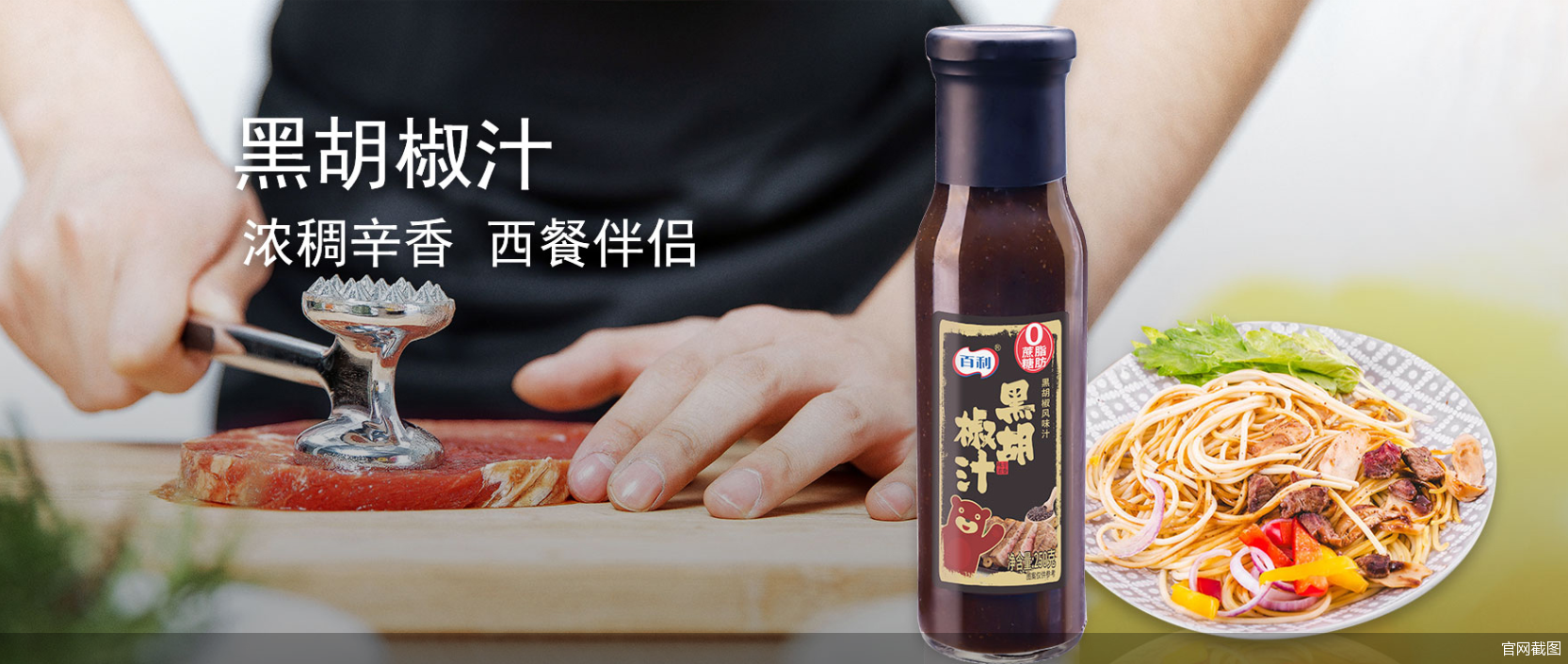
Core Viewpoint - The condiment industry is undergoing a structural transformation, with companies like Baili Food making significant progress towards IPOs to alleviate financial pressures and support capacity expansion and internationalization efforts [1][5][6] Company Overview - Baili Food, established in November 2012, focuses on the research, production, and sales of Western-style compound condiments, primarily leading with sauces like salad dressing and tomato sauce, while also offering products like breadcrumbs and seasoning powders [2][3] - The company has a diverse customer base, including chain restaurants, baking, retail terminals, and e-commerce [2] Financial Performance - Baili Food's revenue for 2023 and 2024 is projected to be 1.61 billion yuan and 1.91 billion yuan, reflecting year-on-year growth of 27.4% and 19.1% respectively; net profit attributable to shareholders is expected to be 220 million yuan and 280 million yuan, with growth rates of 41.7% and 24.1% [2] - In the first half of 2025, the company reported revenue of 1.039 billion yuan, a year-on-year increase of 9.34%, and a net profit of 155 million yuan, up 11.26% [2] IPO Progress - Baili Food has successfully passed the IPO guidance for the Beijing Stock Exchange, with plans to issue up to 54 million shares to raise approximately 1.164 billion yuan, allocating funds for headquarters construction, a smart factory project, and R&D center upgrades [3][4] Industry Trends - The condiment industry is witnessing a shift as the growth of basic condiments slows, while the compound condiment market is expanding, driven by technological advancements and customization capabilities [1][6] - The market size for China's condiment industry is projected to reach 498.1 billion yuan by 2024, with the compound condiment market growing from 85.7 billion yuan in 2019 to 126.5 billion yuan in 2024, reflecting a compound annual growth rate of 10.2% [6] Competitive Landscape - Baili Food is among the few domestic companies competing with international brands like Kewpie, McCormick, Kraft Heinz, and Hellmann's in the Western-style compound condiment sector [2] - Other companies in the condiment sector, such as Yao Mazi and Tianwei Food, are also pursuing IPOs, indicating a collective movement towards capital market engagement [5][6]
百利食品通过北交所IPO辅导,调味品企业扎堆谋上市
Bei Jing Shang Bao· 2025-09-22 14:12
Core Viewpoint - The condiment industry is undergoing a structural transformation, with companies like Baili Foods pursuing IPOs to alleviate financial pressures and support capacity expansion and internationalization efforts [1][6]. Company Summary - Baili Foods, established in November 2012 and headquartered in Dongguan, Guangdong, specializes in the research, production, and sales of Western-style compound condiments, primarily focusing on sauces like salad dressing and tomato sauce, with a secondary growth line in powdered products [3]. - The company reported revenues of 1.61 billion yuan and 1.91 billion yuan for 2023 and 2024, respectively, reflecting year-on-year growth of 27.4% and 19.1%. Net profits for the same years were 220 million yuan and 280 million yuan, with growth rates of 41.7% and 24.1% [3]. - In the first half of 2025, Baili Foods achieved revenue of 1.039 billion yuan, a year-on-year increase of 9.34%, and a net profit of 155 million yuan, growing by 11.26% [3]. IPO Progress - Baili Foods has successfully completed IPO counseling with the help of China Merchants Securities, marking a significant step in its listing process on the Beijing Stock Exchange [1][4]. - The company plans to issue up to 54 million shares, aiming to raise approximately 1.164 billion yuan, with funds allocated for national headquarters construction, a smart factory project, and R&D center upgrades [4]. Industry Trends - The condiment industry is witnessing a surge in companies seeking to go public, with several firms like Tianwei Foods and Yao Mazi also making IPO progress [6]. - The market for compound condiments is growing, with a projected increase from 85.7 billion yuan in 2019 to 126.5 billion yuan by 2024, reflecting a compound annual growth rate of 10.2% [7]. - The traditional condiment market is experiencing slower growth, with a market size increase from 322.4 billion yuan in 2019 to 371.6 billion yuan in 2024, indicating a saturation point and a shift towards "stock optimization" [7]. Strategic Insights - Experts suggest that listing on the Beijing Stock Exchange can enhance corporate governance and management standards for companies like Baili Foods, facilitating a transition from B-end services to the household consumer market, thereby increasing brand value and competitiveness against foreign brands [5].