虚拟细胞模型

Search documents
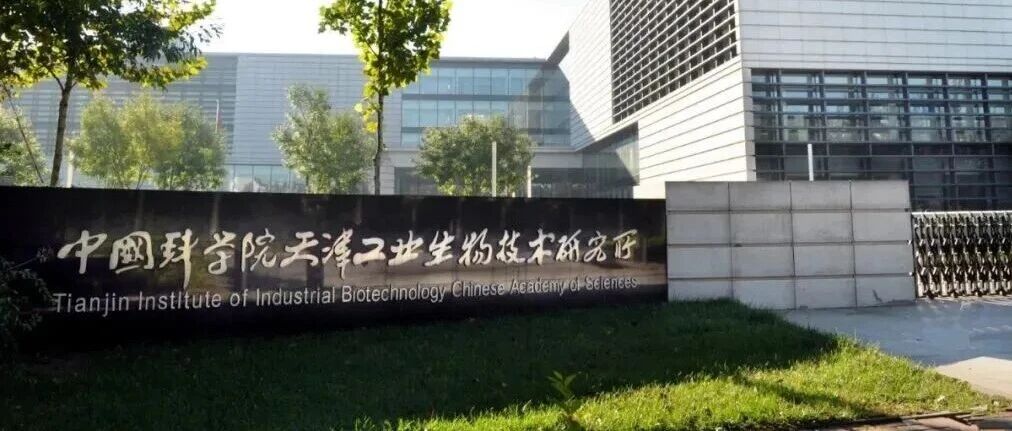
天津工生所,又一合成生物国家级重点项目
合成生物学与绿色生物制造· 2026-03-04 03:20
Group 1 - The core viewpoint of the article emphasizes the launch of a key national research and development project in synthetic biology, which aims to integrate artificial intelligence with synthetic biology to create predictive virtual cell models, marking a shift from traditional trial-and-error methods to a more theoretical and model-driven approach [2][3] - The project is led by the Tianjin Institute of Industrial Biotechnology and is expected to enhance China's innovation capabilities in biological design tools and core models, supporting the country's strategic emerging industries [3] - The project will serve as a technological engine for the biomanufacturing industry cluster being developed in the Tianjin Free Trade Zone, which aims to reach a scale of 10 billion yuan [3] Group 2 - The 11th Bio-based Industry Conference and Exhibition is scheduled for May 20-22, 2026, in Shanghai, focusing on promoting green and low-carbon transformation in the industry [4][5] - The conference will feature 11 major forums covering various topics such as key chemicals and materials, international cooperation, and biodegradable packaging, along with 7 concurrent activities including brand demand matching and technology release [4][5] - The event will also include the 4th DT New Leaf Award, recognizing innovations in materials and applications, with a submission deadline of February 13 [4][5]

从理解疾病到药物发现,科技巨头们押注的「虚拟细胞」究竟是什么?| 科技早知道
声动活泼· 2025-12-02 12:05
Core Viewpoint - The concept of "Virtual Cell" has emerged as a significant intersection of life sciences and AI, with major tech companies and research institutions investing heavily in its development and application [3][4]. Group 1: Definition and Impact of Virtual Cell - "Virtual Cell" refers to the modeling and digitalization of biological cell functions and behaviors using AI, enabling simulations of cellular changes in various environments [6][7]. - The research on virtual cells aims to deepen the understanding of biological principles, particularly the differences between cancerous and normal cells, and to enhance drug development processes [8][9]. Group 2: AI's Role in Biology - AI's application in biology is revolutionizing the field by allowing for the simulation of complex biological systems, which were previously difficult to model using traditional methods [10][11]. - The development of AI algorithms and computational power has made it feasible to create virtual cell models that can predict cellular behavior and drug interactions [27][28]. Group 3: Investment Trends and Industry Dynamics - There has been a surge in investment in virtual cell research due to the inherent complexity of biological systems and the inefficiencies in traditional biomedical research methods [12][13]. - Major tech companies like DeepMind and traditional pharmaceutical firms are increasingly collaborating to leverage AI capabilities in drug discovery and development [14][15]. Group 4: Challenges and Future Directions - The primary challenges in developing virtual cell models include insufficient data volume, lack of multi-dimensional data, and the need for algorithms that can handle the complexity of biological data [41][42]. - The future of virtual cell applications is promising, with expectations that they will become mainstream tools in drug development within the next five years, potentially transforming traditional research methodologies [48].

细胞版“图灵测试”来了:Arc研究所推出“虚拟细胞”挑战赛,冠军将获10万美元奖励,或催生下一个诺贝尔奖
生物世界· 2025-06-29 03:30
Core Viewpoint - The article discusses the emergence of Virtual Cells (VC) as a frontier in the intersection of artificial intelligence and biology, aiming to revolutionize life sciences research by predicting cellular responses to disturbances [2][6]. Group 1: Virtual Cell Challenge - The Virtual Cell Challenge was launched by Arc Institute, with sponsorship from NVIDIA, 10x Genomics, and Ultima Genomics, offering cash prizes of $100,000, $50,000, and $25,000 for the top three models that accurately predict cellular responses to genetic disturbances [4]. - The challenge aims to provide a fair and open evaluation framework to identify the best virtual cell models through rigorous testing [2][4]. Group 2: Importance of Virtual Cells - Understanding and predicting cellular responses to disturbances, such as gene knockout or drug treatment, is a core challenge in biological and medical research [6]. - Advances in single-cell sequencing technology and breakthroughs in AI have reignited efforts to develop powerful virtual cell models that can predict responses across different cell types and states [6][20]. Group 3: Challenges in the Field - A significant bottleneck in the field is the lack of standardized evaluation criteria to assess whether a model truly understands cell biology rather than merely memorizing specific patterns in data [10]. - The Virtual Cell Challenge draws inspiration from the success of the CASP competition in protein structure prediction, which has catalyzed advancements in AI tools like AlphaFold [10]. Group 4: Challenge Design - The core task of the challenge is to assess the "cross-environment generalization" ability of models, requiring them to predict gene expression changes in a new cell type based on limited data from known cell types [13]. - A rigorous three-tier evaluation system is established to avoid model bias, focusing on differential expression scores, disturbance differentiation scores, and mean absolute error [14][15]. Group 5: Anticipated Impact - The challenge sets a benchmark for the industry by establishing a rigorous evaluation framework for predicting gene-level disturbance responses, guiding future developments in the field [19]. - It aims to promote data standards and reproducibility in single-cell functional genomics, accelerating the evolution of AI models through community competition and collaboration [19]. - The initiative is expected to gather global research efforts to tackle the challenges of virtual cell modeling, facilitating the transition from laboratory research to practical applications [19]. Group 6: Future Prospects - The first Virtual Cell Challenge focuses on gene disturbance predictions within a single cell type, with plans for future challenges to include combination disturbance predictions and integration of multi-omics data [20]. - The launch of the Virtual Cell Challenge signifies a new phase in AI-enabled life sciences, potentially transforming human understanding and intervention capabilities in biology [20].