
衢州烤饼

Search documents
(新春走基层)浙江的饼:家乡味 共富味
Zhong Guo Xin Wen Wang· 2026-02-27 06:45
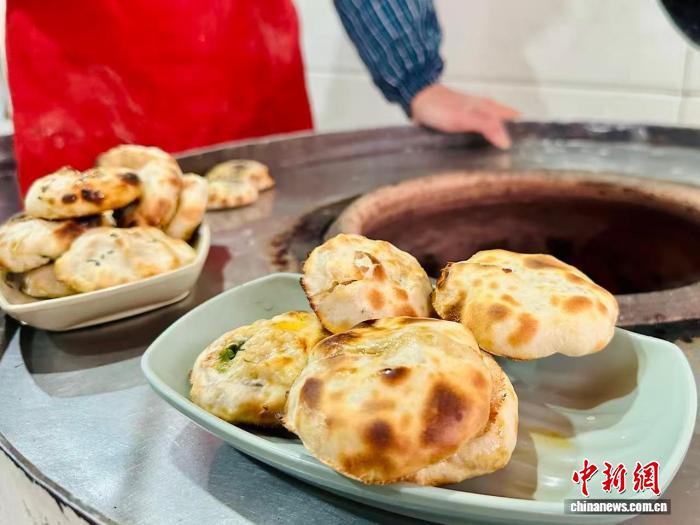
Core Viewpoint - The article highlights the cultural and economic significance of traditional pastries in Zhejiang, particularly focusing on the unique characteristics and market potential of various local pastries, such as Quzhou baked pancakes, Yongkang meat pancakes, and Jinyun sesame cakes, which are not only a taste of home but also a means of promoting shared prosperity in the region [1][8]. Group 1: Quzhou Baked Pancakes - Quzhou baked pancakes are characterized by their thin, crispy skin and flavorful filling, which has gained popularity among tourists, contributing to a peak sales volume of over 5,000 units in a single day during the recent Spring Festival [3][4]. - The international potential of Quzhou baked pancakes is recognized, with discussions about possibly opening stores in Europe, indicating a growing interest in the product beyond local markets [4][6]. Group 2: Yongkang Meat Pancakes - Yongkang meat pancakes are known for their thick and hearty texture, made with local ingredients, and have become a popular choice for festive gifts, with gift boxes accounting for 80% of total sales during the Spring Festival [6][8]. - The production model of Yongkang meat pancakes involves a stable supply chain supported by a 30-year history of local pig farming, which has created job opportunities across the supply chain [6][9]. Group 3: Jinyun Sesame Cakes - Jinyun sesame cakes have been organized into a more structured industry through the establishment of the "Sesame Cake Office," which has standardized production techniques and branding, transitioning from informal to formal business operations [8][9]. - The global expansion of Jinyun sesame cakes is evident, with over 8,000 demonstration stores established worldwide, generating an annual output value exceeding 4 billion RMB and indirectly creating over 50,000 jobs [9][10]. Group 4: Cultural and Economic Impact - The pastries of Zhejiang, particularly the use of preserved vegetables like Mei Gan Cai, symbolize a collective memory and cultural identity, transforming from a basic food source to a symbol of nostalgia and community [9][10]. - The success of these pastries not only revives traditional flavors but also stimulates employment and income growth, contributing to the shared prosperity of the region [10].

中国非遗馆过年大展端出热腾腾年味“大餐”
Zhong Guo Xin Wen Wang· 2026-01-21 00:46
Core Viewpoint - The exhibition "Celebrating the New Year - Year of the Horse Spring Festival Theme Exhibition" at the Chinese Intangible Cultural Heritage Museum showcases over a hundred representative projects of intangible cultural heritage from various regions in China, presenting a multi-dimensional celebration of the New Year [1] Group 1: Exhibition Highlights - The "Jiyue Hongtu" section features traditional crafts related to horses, including paper-cutting, New Year paintings, shadow puppetry, ceramics, stone carvings, leather carvings, bamboo weaving, and clay sculptures, allowing visitors to appreciate the cultural significance of horses [1] - A notable highlight in the "Food is Heaven" section is a flower bun sculpture named "Da Guzao Mountain," which stands 4.5 meters tall and has a diameter of 3.6 meters, representing the intangible cultural heritage of flower buns from Shaanxi Province [1] - The exhibition also includes traditional snacks like the "Dingsheng Cake" from Huzhou, Zhejiang Province, with a special horse-shaped mold brought by the inheritor Shen Chen, which has garnered significant attention from visitors [1] Group 2: Thematic Displays - The "Guangzhuan Chunhui" section features nearly a hundred festive-themed intangible cultural heritage lanterns, creating a joyful atmosphere for the celebration with their diverse shapes and exquisite craftsmanship [1] - The exhibition will be open to the public until March 20, coinciding with the lunar calendar's second day of February and the Spring Equinox [2]