花馍

Search documents
小麦变身记
Ren Min Ri Bao· 2026-02-27 05:57
Core Insights - Wheat is a staple food in China, with a planting area of 350 million acres and an annual production exceeding 130 million tons, accounting for 17% of global production and consumption, making China the largest producer and consumer of wheat [1][2] Group 1: Wheat Production and Quality - The quality of wheat is crucial for various food products, with specialized wheat varieties being developed to meet specific needs, such as "烟农1212" which has high flour yield and strong flavor [4] - Specialized flour now accounts for 30% of total wheat flour production, indicating a trend towards more refined product categorization [4] - Technological innovations have improved flour yield from 68%-72% to 75%-78%, with energy consumption reduced by over 7% and key nutrients increased by 10% [5] Group 2: Agricultural Practices and Challenges - Wheat cultivation faces challenges from weather variability, with significant efforts required for successful harvests, particularly in major production areas like the Yellow River and Huai River regions [6][7] - The average wheat yield in China is 1.6 times the global average, with ongoing efforts to enhance production through modern breeding techniques [8] Group 3: Economic Impact and Value Chain - The wheat economy is expanding across food, culture, and industrial sectors, with innovative products like "川麦98" series mooncakes achieving significant sales [10] - By integrating various agricultural and processing techniques, the wheat industry is creating diverse economic opportunities, with total output value in regions like 延津 reaching 15.2 billion yuan [11]


高端媒体看邯郸丨河北馆陶:非遗花馍迎新春
Xin Lang Cai Jing· 2026-02-21 03:53
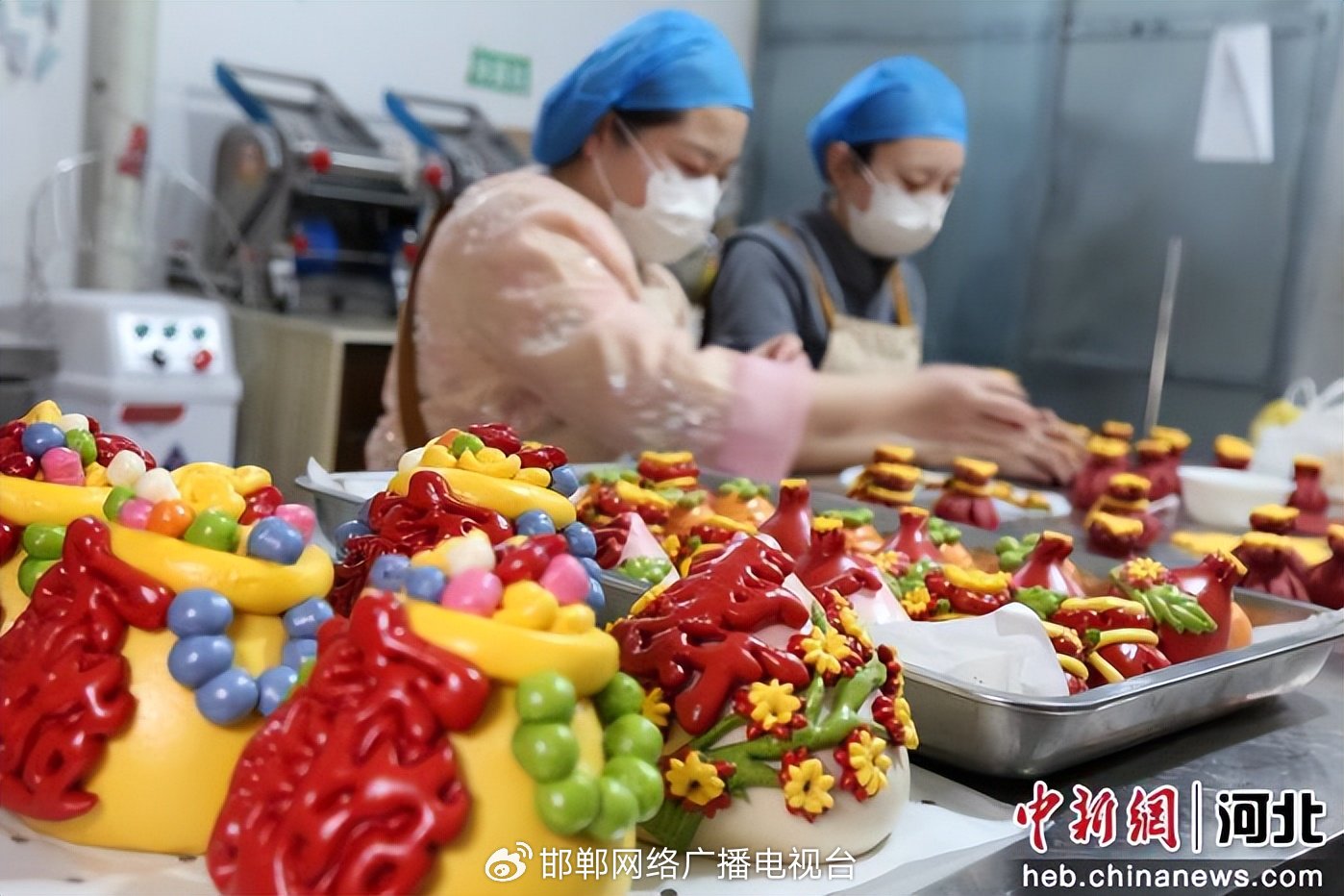
Group 1 - The article highlights the production of flower buns (花馍) in Guantao County, Hebei Province, emphasizing their cultural significance and appeal during the Spring Festival [1][6] - The production process involves skilled artisans who create various shapes and designs, enhancing the festive atmosphere and traditional customs [1][3][4] - Guantao County has been actively promoting the protection and revitalization of intangible cultural heritage, integrating it into public celebrations and cultural activities to enrich the community's cultural life [6]
高原烟火处 文脉正新春
Xin Lang Cai Jing· 2026-02-20 17:35
Core Viewpoint - The article highlights the vibrant cultural celebrations and traditional customs in Qinghai during the Spring Festival, showcasing the integration of local heritage with modern tourism through various activities and performances [5][11]. Group 1: Cultural Celebrations - The Spring Festival in Qinghai is marked by diverse cultural expressions, including traditional performances and local crafts, which enhance the festive atmosphere and foster cultural confidence among the local communities [5][7]. - The integration of film and television elements, such as the filming location of the series "Tree of Life," has revitalized local tourism, attracting visitors to experience traditional customs in a modern context [5][6]. Group 2: Traditional Crafts and Heritage - Local artisans are actively preserving traditional crafts, such as paper-cutting and archery, which are integral to the cultural identity and heritage of the region [8][9]. - The revival of traditional practices, like the "Five-Colored Arrow" cultural display, emphasizes the importance of intangible cultural heritage in contemporary celebrations, making them more meaningful for the community [7][12]. Group 3: Community Engagement - Community participation in traditional performances, such as the revival of the "Shehuo" (a folk performance), fosters unity and strengthens social bonds among diverse ethnic groups in the region [10][12]. - The enthusiasm for cultural activities, such as the "Chigu Dance," reflects a growing appreciation for local traditions and their role in enhancing the festive spirit during the New Year [12][13].
巧手塑“马”!把新春祈愿捏进花馍里
Xin Lang Cai Jing· 2026-02-18 08:04
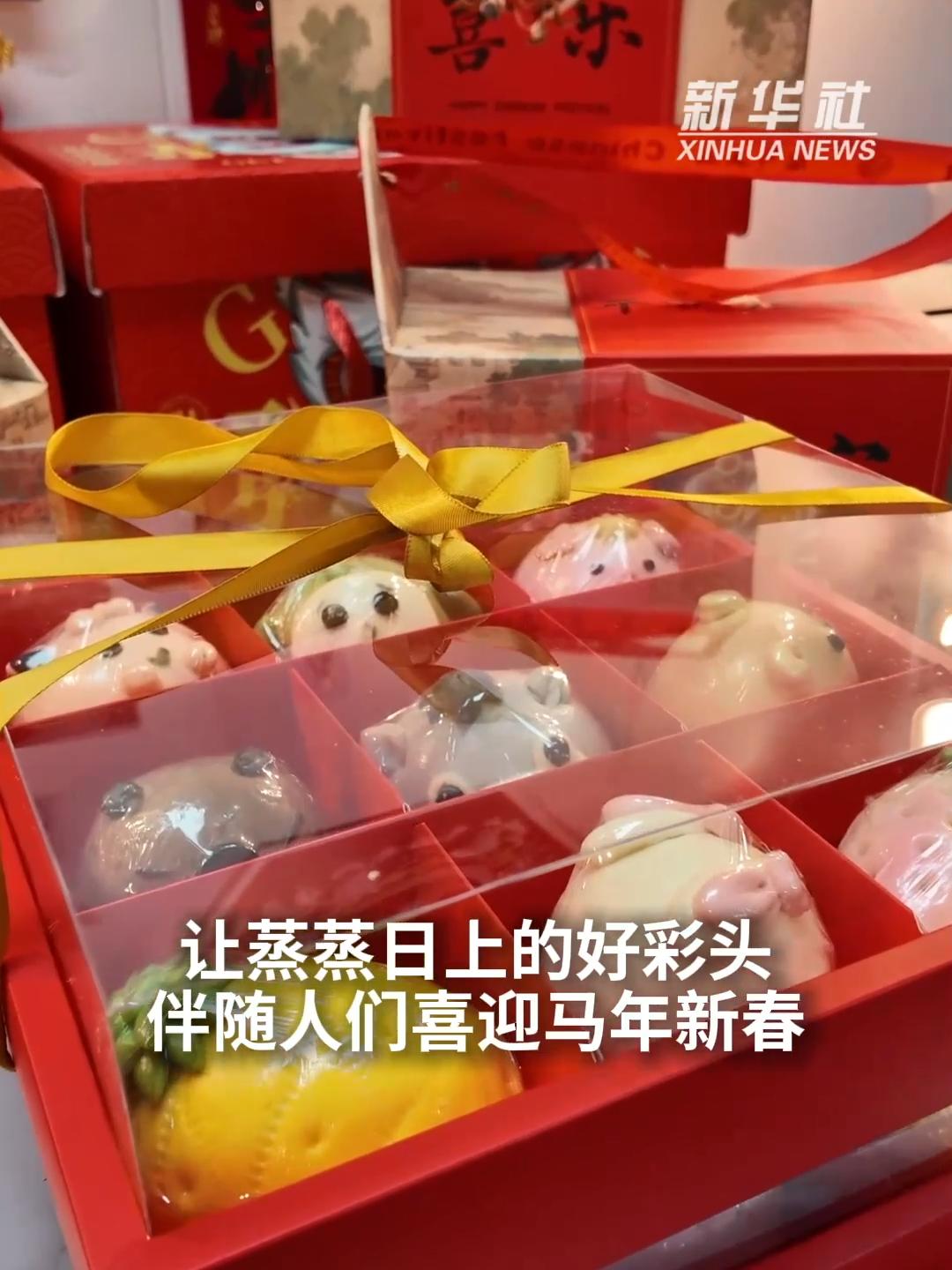
Group 1 - The flower steamed buns (花馍) are a representative of the festive atmosphere during the Spring Festival in Hebei, being present on dining tables across households [1] - Skilled artisans create intricate designs on the flower steamed buns, depicting the Year of the Horse zodiac, flowers, and symbols of happiness and longevity, reflecting the beautiful expectations for the New Year [3] - The Year of the Horse themed flower steamed buns embody hopes for happiness and prosperity, symbolizing a positive start to the New Year [5]
新春走基层丨河北峰峰:“花馍”蒸腾年味浓
Xin Lang Cai Jing· 2026-02-18 01:54
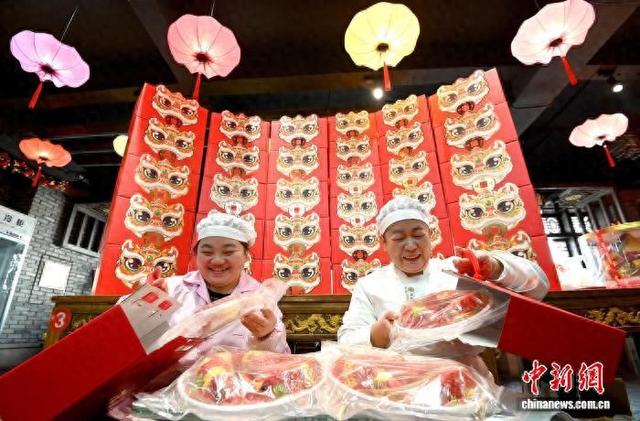
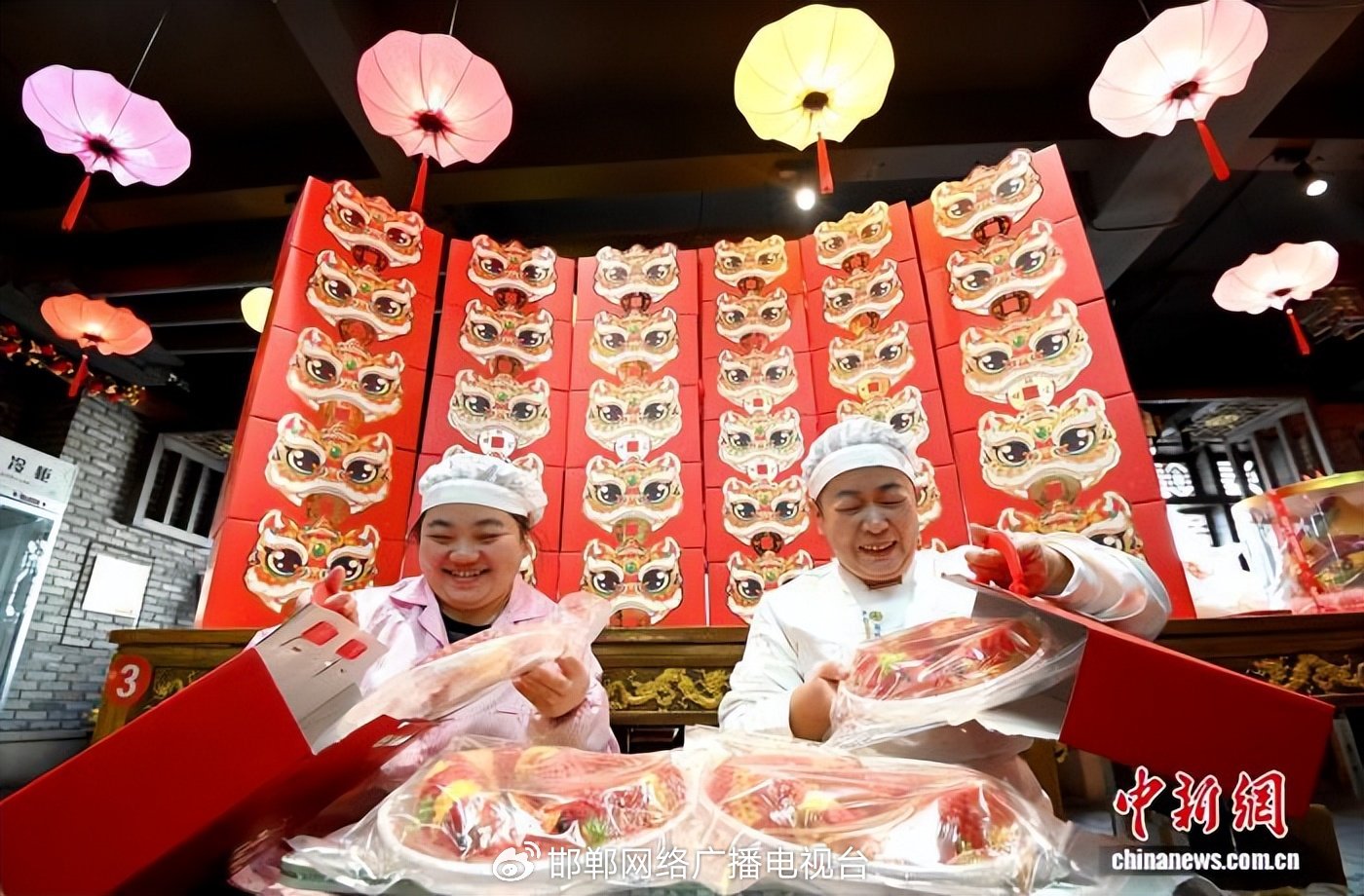
Group 1 - The core idea of the article highlights the increasing popularity and sales of "Hua Mo," a traditional pastry from the Fengfeng Mining District in Handan, Hebei, especially during the pre-Spring Festival period, driven by e-commerce and live streaming [3]. - The demand for "Hua Mo" has surged significantly since the beginning of the lunar month, indicating a strong market trend and consumer interest in traditional foods [3]. - The production of "Hua Mo" includes various creative designs, such as lion and lucky bag shapes, showcasing the cultural significance and artistic value of these pastries [10][15]. Group 2 - The article emphasizes the role of e-commerce in expanding the reach of traditional products like "Hua Mo," allowing them to be sold nationwide [3]. - The visual representation of the production process, including packaging and design, illustrates the craftsmanship involved in creating these traditional pastries [5][12]. - The article also mentions the thematic designs for the upcoming Year of the Horse, reflecting the integration of cultural elements into product offerings [8][13].
揭秘春节美食:年夜饭里为啥要有鱼?
Xin Lang Cai Jing· 2026-02-17 08:08
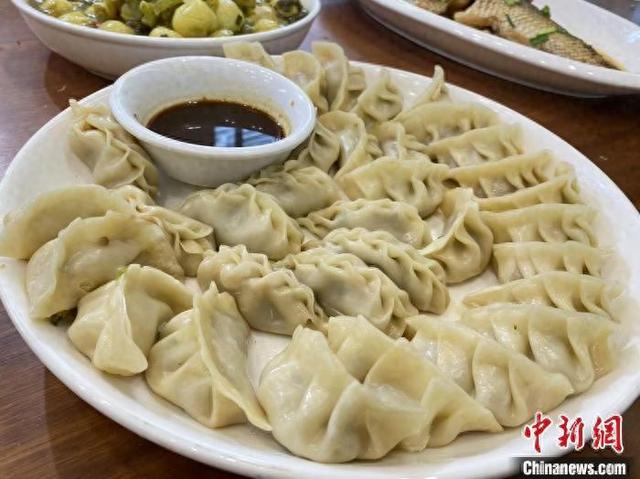
Core Viewpoint - The article highlights the significance of traditional foods during the Chinese New Year, emphasizing how these dishes embody cultural values and familial connections, creating a sense of "year flavor" that resonates with many people [1][9]. Group 1: Traditional Foods - Various traditional foods are integral to the New Year celebrations, with items like peanuts, sunflower seeds, and fish symbolizing abundance and prosperity [1][4]. - Dumplings are considered a central dish during the New Year, often associated with wealth and good fortune due to their shape resembling ancient gold ingots [4][8]. - Other notable dishes include "nian gao" (sticky rice cake) symbolizing progress and "hua mo" (flower buns) which are both culinary delights and artistic expressions [8][9]. Group 2: Family Gatherings - The New Year's Eve dinner, or "Nian Ye Fan," is a crucial event where families gather to share meals and stories, reinforcing familial bonds [6][8]. - The preparation for these meals often begins well before the New Year, indicating the importance of these traditions in family life [2][4]. - The variety of dishes served during the New Year's Eve dinner, such as ten hot dishes and eight cold dishes, reflects cultural beliefs about auspiciousness and completeness [8].
麦香面花开
Xin Lang Cai Jing· 2026-02-15 01:08
Core Insights - The article highlights the cultural significance and artistic value of flower buns (huamó) in northern China, emphasizing their diverse shapes, colors, and meanings [1][2][3] Group 1: Cultural Significance - Flower buns are used in various customs across different regions, with specific practices for occasions like the Spring Festival, weddings, and funerals, reflecting their role as carriers of emotion and tradition [2][3] - The creation of flower buns involves a detailed process that tests the maker's skills in fermentation, artistic design, and color coordination, indicating a high level of craftsmanship [2] Group 2: Artistic Value - The article describes the intricate designs of flower buns, which can represent various themes such as animals, plants, and auspicious symbols, showcasing the artistic diversity across regions [1][2] - Flower buns serve both as food and as visual art, appealing to both children and adults, and have garnered attention from scholars for their cultural research value [3]
社区书记手作花馍:把北方年味送给居民
Xin Lang Cai Jing· 2026-02-14 20:53
Group 1 - The article highlights the efforts of Zhang Sairi, a community deputy secretary from Yantai, Shandong, who is making traditional Northern-style flower buns to celebrate the upcoming Spring Festival [1] - The flower buns, made from white flour and adorned with red dates, symbolize good fortune and carry heartfelt New Year wishes [1] - Zhang Sairi's initiative involves personally delivering these buns to residents, showcasing her commitment to community service and the responsibilities of grassroots officials [1]
城事·马上春来|年味儿是什么味儿?尝一下就知道啦!
Xin Lang Cai Jing· 2026-02-13 04:46
Group 1 - The Chinese culinary market is experiencing a surge in festive activities, including food markets and competitions, as the Spring Festival approaches [1][3][4] - Various regions are hosting unique cultural events, such as food fairs and traditional performances, to celebrate the New Year and attract visitors [7][11][22] - Local specialties and traditional foods are being highlighted in these events, showcasing regional culinary heritage and promoting local businesses [17][19][39] Group 2 - The integration of cultural experiences with food markets is becoming a trend, as seen in events that combine culinary showcases with artistic performances [11][22][32] - The food industry is adapting to consumer preferences by offering immersive experiences, such as hands-on cooking and traditional food preparation demonstrations [15][37][46] - Established brands and local businesses are leveraging online and offline strategies to meet the demand for traditional festive foods, enhancing their market presence [39][41][44]
河北峰峰:“花馍”蒸腾年味浓
Xin Lang Cai Jing· 2026-02-12 13:24
Group 1 - The article highlights the traditional folk food "Hua Mo" from Fengfeng Mining District in Handan, Hebei, which symbolizes prosperity and good fortune for the upcoming Lunar New Year [2] - The production of "Hua Mo" has seen a significant increase in orders due to the reliance on e-commerce live streaming, especially since the beginning of the twelfth lunar month [2] - Workers are actively engaged in creating various shapes of "Hua Mo," including lion and lucky bag designs, showcasing the cultural significance and creativity involved in the production process [6][8][12] Group 2 - The article features images of workers packaging and preparing "Hua Mo" for distribution, indicating a well-organized production and logistics process [4][10] - The rise in popularity of "Hua Mo" reflects a broader trend of traditional foods gaining traction in the market through modern sales channels [2] - The cultural aspect of "Hua Mo" is emphasized, as it is not only a food item but also a representation of local heritage and festive spirit [6][12]