
表情包

Search documents
读懂青铜器纹饰(文化中国行·文物有话说)
Ren Min Ri Bao· 2026-02-07 00:42
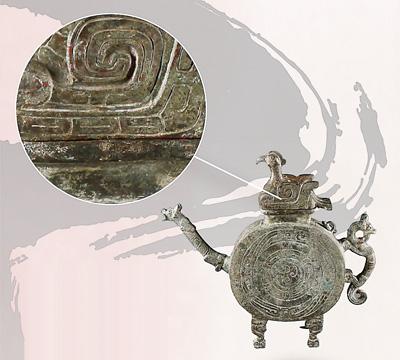
Group 1 - The core viewpoint of the articles emphasizes the significance and evolution of bronze vessel decorations in Chinese civilization, highlighting their aesthetic, cultural, and historical importance [2][3][4]. - Bronze vessel decorations can be categorized into three main types: animal motifs, geometric patterns, and human figures, each with distinct characteristics and historical significance [2][4]. - Animal motifs, particularly dragon patterns, are prevalent in bronze vessels from the Shang and Zhou dynasties, symbolizing various cultural beliefs and artistic styles [2][4]. - Geometric patterns emerged early in the history of bronze vessels, characterized by combinations of dots, lines, and circles, reflecting specific historical features [2][4]. - Human figure motifs appeared in the late Spring and Autumn period, showcasing realistic depictions of social activities such as feasting, hunting, and warfare, serving as a historical record of the era [2][4]. Group 2 - The decorative patterns on bronze vessels initially served aesthetic purposes but later evolved to include ritualistic and worship functions, believed to connect the earthly and divine realms [3][4]. - The styles of bronze vessel decorations are closely linked to the historical context, reflecting the artistic preferences and spiritual beliefs of different periods [4][5]. - Contemporary applications of bronze vessel motifs can be seen in modern crafts and design, demonstrating the continuity of artistic principles and cultural transmission over millennia [5][6]. - In today's fashion and design sectors, the structural and graphical elements of bronze vessel decorations are adapted into clothing, jewelry, and accessories, merging historical significance with contemporary expression [6].

“文化出海”视域下高校语言类专业教学改革的三重使命
Xin Hua Ri Bao· 2025-11-18 00:02
Core Perspective - Cultural export is not only an important engine for enhancing the economic value of the cultural industry but also a global practice for the modern transformation of Chinese civilization [1] Group 1: Language and Cultural Transmission - Language plays a crucial role as a hub for translation and dissemination in cultural export, serving as a deep carrier of cultural values, thinking patterns, and aesthetic experiences [2] - The dual challenges of "translatability" and "perceptibility" must be addressed for Chinese culture to truly integrate into the global context, particularly regarding traditional concepts that lack direct Western equivalents [2] - Language programs in universities should develop classroom models focusing on "cultural symbols," "emotional narratives," and "value consensus" to enhance cultural transmission [2] Group 2: Educational Transformation and Curriculum Innovation - Cultural export drives the transformation and upgrading of language disciplines, necessitating a new set of professional skills and competencies for talent development [3] - Traditional language education often emphasizes systematic knowledge and basic skills, while neglecting cross-cultural communication, digital technology application, and overseas cultural project management [3] - Universities should foster students' proficiency in digital tools and encourage project-based practices to digitize, translate, and creatively disseminate traditional cultural resources [3] Group 3: Dual Empowerment and Technological Integration - A new model of dual empowerment should be explored, integrating digital humanities and artificial intelligence to promote the modern transformation of traditional cultural resources [4] - Effective feedback mechanisms should be established to ensure that overseas audience preferences are communicated back to local creative processes, facilitating a positive interaction between cultural production and dissemination [4] - Digital technologies provide new research paradigms for traditional culture, enabling the construction of systematic cultural knowledge graphs and enhancing the expression and dissemination of traditional culture through AI [4][5]