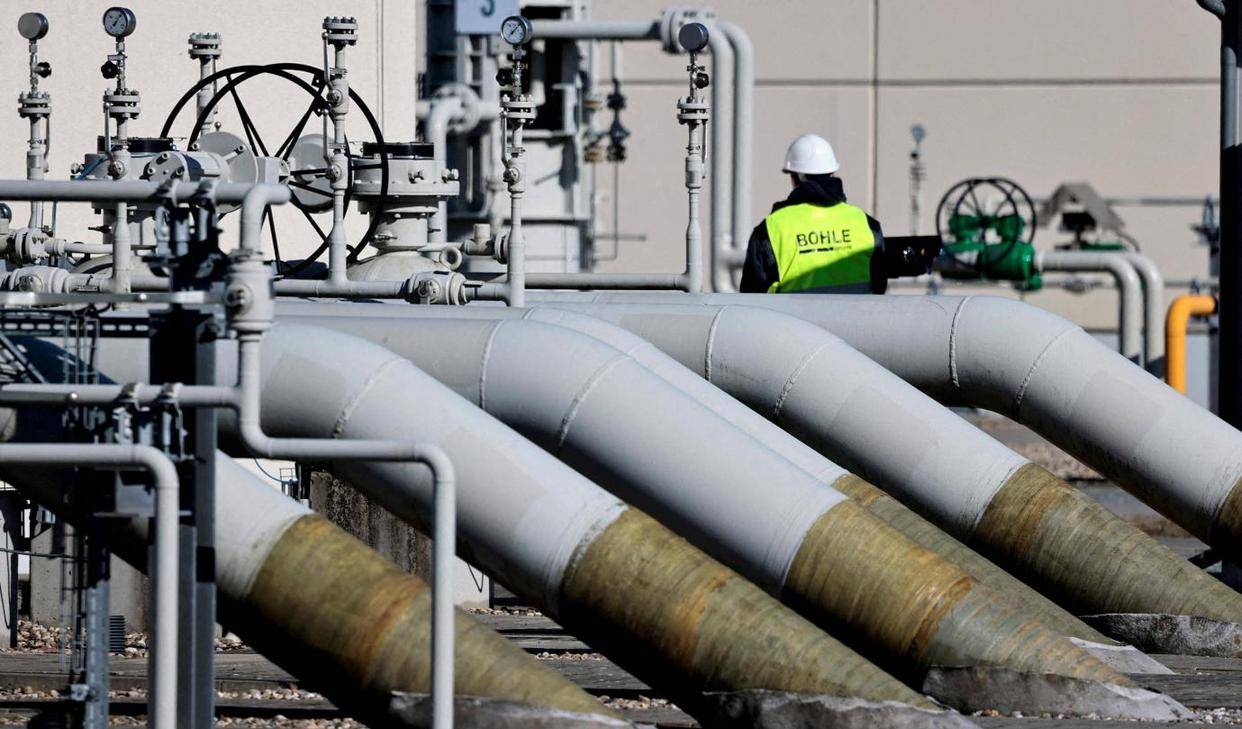
西伯利亚ESPO原油

Search documents
俄油崩到36美元!印度退缩中国抄底,普京出招反击
Sou Hu Cai Jing· 2025-11-26 00:15
Group 1 - The price of Ural crude oil in Russia has plummeted to a historical low of $36 per barrel, with domestic oil prices aligning closely with international benchmarks, effectively reducing the price difference to zero [1] - Indian refiners have halted their aggressive oil purchasing from Russia due to fears of secondary sanctions, while China has increased its imports of high-quality crude oil from Russia [3][5] - Russia is responding to the crisis by increasing taxes and requiring countries like India to settle oil transactions in yuan, thereby circumventing previous currency issues [5] Group 2 - Central Asian countries are seeking to reduce their dependency on Russia, with Uzbekistan proposing a "Central Asian Community" and Kazakhstan freezing domestic fuel prices [5] - The current international energy market dynamics are reshaping the global energy landscape, with India navigating between the US and Russia, China capitalizing on low oil prices, and Central Asian nations pursuing autonomy [6]

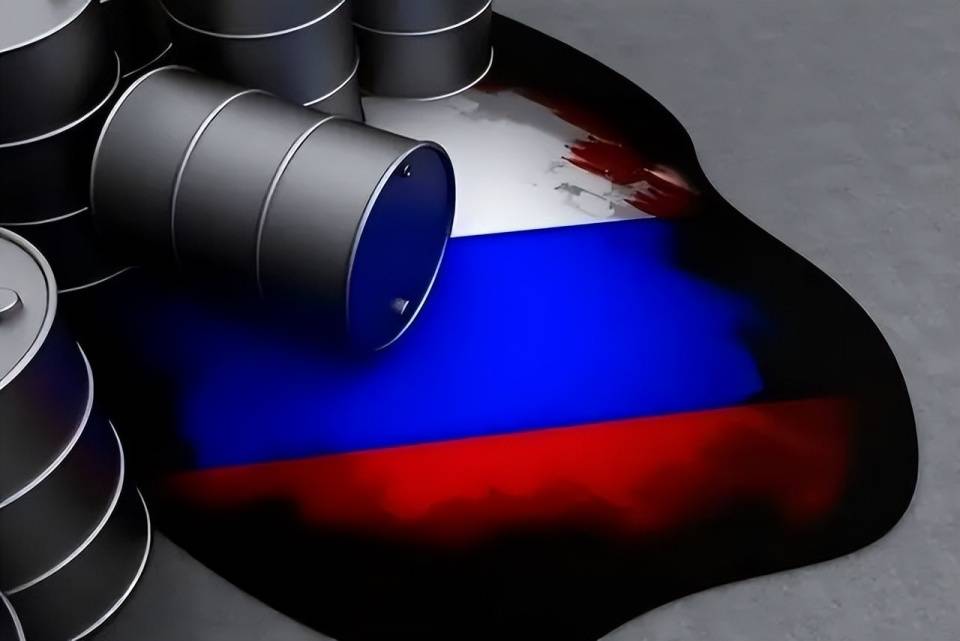
俄油每卖一桶倒贴4美元?天然气六折对我们抛售,为什么俄罗斯亏钱也要卖?
Sou Hu Cai Jing· 2025-11-21 18:14
Core Insights - The significant drop in Russian Urals crude oil prices to $36 per barrel and liquefied natural gas (LNG) prices being offered at a 40% discount indicates a severe crisis in Russia's energy exports, driven by sanctions and market pressures [1][3][5]. Group 1: Price Dynamics - By the end of 2025, the price difference between Russian Urals crude oil and Brent crude oil reached $23.5, with Urals priced at $36 and Brent at approximately $60 [1]. - Russian LNG prices for exports to China were reported to be at a 60% discount compared to market prices, allowing China to save over 1.4 billion yuan monthly on energy procurement [1]. Group 2: Sanctions Impact - The U.S. imposed a financial blockade on Russia's energy sector in October 2025, targeting major oil companies and freezing their global assets, which severely restricted Russia's ability to conduct energy trade [3]. - The sanctions led to a significant reduction in shipping and insurance support for Russian oil, resulting in approximately one-third of Russia's maritime crude oil (around 1.4 million barrels per day) being stranded [3]. Group 3: Market Shrinkage - Following the U.S. sanctions, India, a major buyer of Russian oil, ceased imports, and the EU aimed to reduce Russian oil imports to nearly zero, exacerbating the crisis [5]. - Attacks on Russian energy infrastructure have further diminished domestic refining capacity by 30%, crippling the transportation chain [5]. Group 4: Economic Pressures - Russia's energy sector faces immense pressure to maintain production despite losses, as halting operations incurs higher long-term costs due to equipment depreciation and maintenance [7]. - Energy revenues account for 35% of the Russian federal budget, making it critical for sustaining the economy and military expenditures [10]. Group 5: China's Position - China has emerged as a preferred buyer of Russian energy, leveraging its diversified energy supply sources to negotiate lower prices [12]. - The Chinese strategy includes prioritizing discounted LNG from Russia while focusing on higher-quality Siberian ESPO crude oil, leading to a doubling of imports from Russia in August 2025 [12]. Group 6: Infrastructure and Trade Changes - China is tying energy procurement to the development of Arctic shipping routes and expanding pipeline systems, which could significantly increase gas supply from Russia [14]. - The settlement mechanism for energy transactions between China and Russia has shifted, with over 65% of transactions now conducted in yuan and rubles, reducing reliance on the dollar [14]. Group 7: Global Market Reactions - The drop in Russian energy prices has prompted Middle Eastern oil producers to lower their prices to maintain competitiveness in the Asian market [16]. - European countries are facing internal conflicts regarding energy imports from Russia, with some nations increasing imports despite sanctions [16]. Group 8: Regional Developments - Central Asian countries are seeking to reduce their economic dependence on Russia, with initiatives to build regional infrastructure [18]. - Russia is attempting to establish new export routes through the International North-South Transport Corridor, although progress is hindered by financial and political challenges [18].