西岭雪山旅游

Search documents
外国游客扎堆来蓉过年 入境游持续火热
Xin Lang Cai Jing· 2026-02-21 17:15
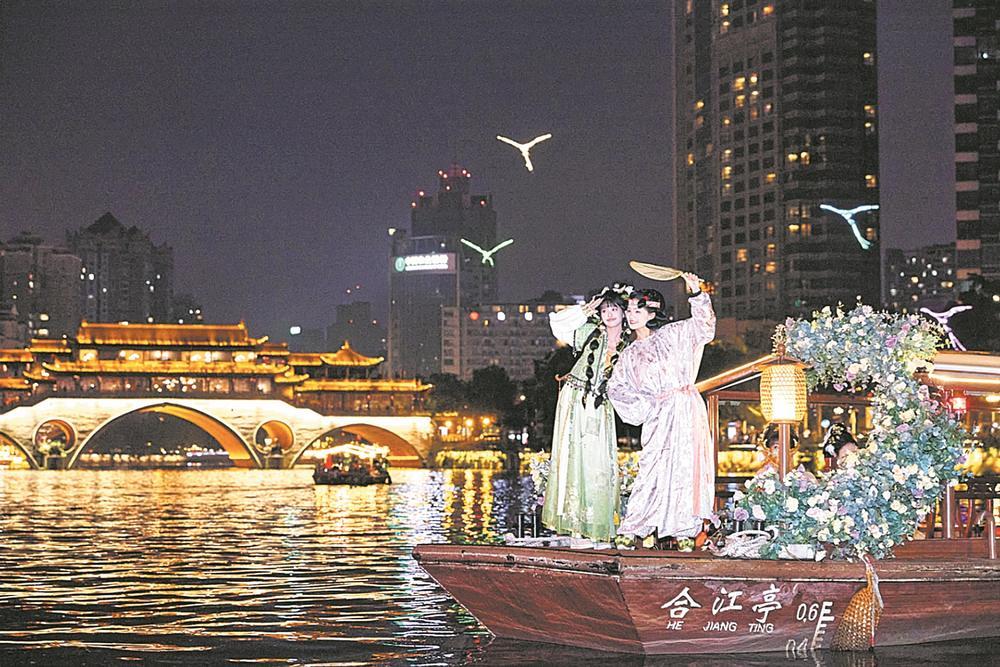
Group 1 - The influx of foreign tourists during the Chinese New Year has significantly boosted Chengdu's cultural and tourism consumption market, with over 5,000 hotel bookings in Xiling Snow Mountain and a notable increase in reservations for nearby hot spring hotels [1] - Popular tourist activities include a two-day itinerary of "playing in the snow during the day and soaking in hot springs at night," which has contributed to the rise in local tourism [1] - The vibrant atmosphere in Chengdu's core commercial areas, such as Chunxi Road and Taikoo Li, has attracted many foreign visitors, with restaurants like Haidilao experiencing full occupancy [2] Group 2 - The night cruise on Jinjiang River has been particularly appealing, with approximately 418,000 visitors from February 15 to February 21, including around 8,000 foreign tourists [2] - Tourists from Europe, including Germany and the UK, have expressed admiration for Chengdu's unique night scenery, highlighting the blend of historical charm and festive atmosphere [3] - The overall experience of international visitors in Chengdu, from enjoying local cuisine to participating in cultural performances, has led to positive feedback and a growing appreciation for the city [3]
进入文旅3.0情绪时代
Xin Lang Cai Jing· 2026-01-28 21:00
Core Viewpoint - The tourism industry has entered the 3.0 era, characterized by emotional tourism, where the focus shifts from traditional sightseeing to immersive experiences that cater to tourists' emotional needs [6][7]. Group 1: Emotional Tourism Development - Emotional tourism is driven by tourists' desires for healing, ritual, and social recognition, leading them to pay for experiences that provide atmosphere, emotional engagement, and personalized service [7][8]. - The traditional model of tourism development, which relied on attracting visitors, is facing challenges, and the ability to provide emotional value is becoming a key variable for industry growth [7][8]. Group 2: Characteristics of Emotional Value - Emotional value in tourism is defined as the ability of products and services to resonate with tourists' emotions, fulfilling their needs for release, healing, and emotional repair [8]. - Enhancing emotional value can be achieved through creating immersive environments that evoke comfort and joy, as seen in various innovative tourism projects [8][9]. Group 3: Examples of Successful Emotional Tourism - Successful examples include the immersive experiences at Wuhou Shrine and the "Night Tour Jinjiang" event, which effectively engage tourists by creating a romantic and relaxed cultural atmosphere [8][9]. - New tourism landmarks in Chengdu, such as the Chengdu Sci-Fi Museum and the Zhujiabian Low-altitude Economic Industrial Park, cater to specific emotional and aesthetic preferences of tourists [9].