情绪文旅

Search documents
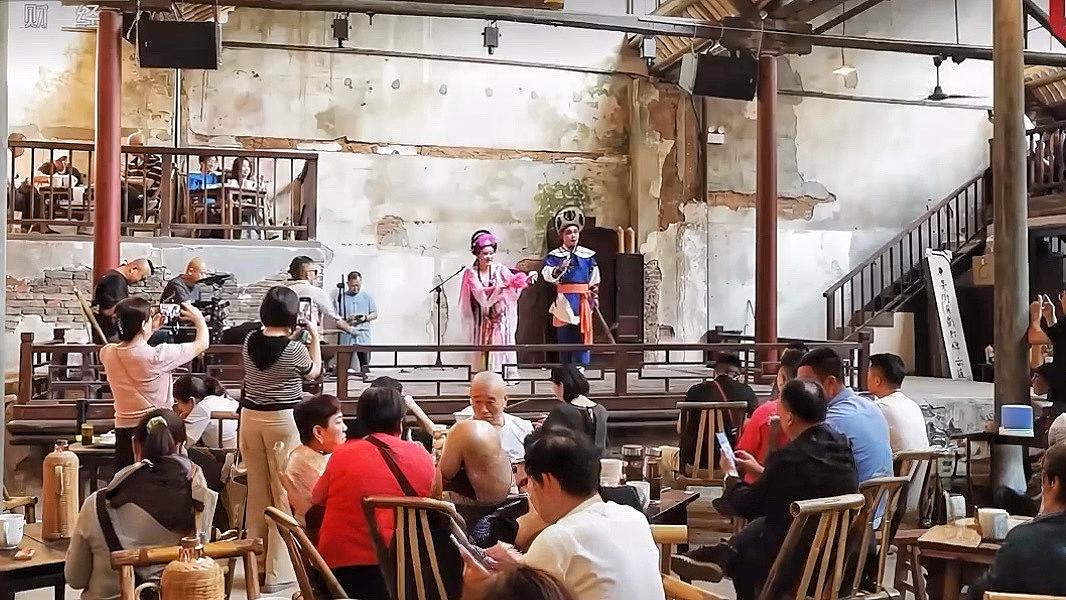
又演又看,游客变“主创”
Qi Lu Wan Bao· 2026-02-09 16:16
Core Insights - The rise of new popular cultural trends is transforming the cultural tourism market, with immersive experiences becoming a core competitive advantage for tourism products [3][6] - Emotional experiences are increasingly prioritized by domestic tourists, with 68% indicating it as their primary travel motivation by 2025, surpassing the 23% for scenic appreciation [6] Group 1: Immersive Experiences - Tourist participation in performances is becoming a trend, with locations like Wansui Mountain Wuxia City leading the way in interactive experiences [4] - The immersive interactive drama "Mr." in Jinan has achieved an 85% attendance rate during off-peak seasons, indicating strong audience engagement [5] - The performance model allows audiences to become co-creators of the narrative, enhancing the uniqueness of each show [5] Group 2: Cultural Products and Sales - The "Ma Biao Biao" cultural product from Shandong Art Museum has seen significant success, with nearly 120,000 visitors and sales reaching 600,000 yuan by January 28 [6] - The product's design, inspired by Qi Baishi's artwork, resonates with young consumers, making it a social media sensation [6][7] Group 3: Upgrading Cultural Tourism - The Dazong Night City is undergoing a transformation to become China's first super-immersive NPC city, focusing on new performances and experiences [8] - Shandong is actively supporting 35 new cultural tourism projects aimed at enhancing immersive experiences by 2025 [9] - The integration of AI technology in the cultural creative industry is creating unprecedented opportunities for growth and diversification [9]


进入文旅3.0情绪时代
Xin Lang Cai Jing· 2026-01-28 21:00
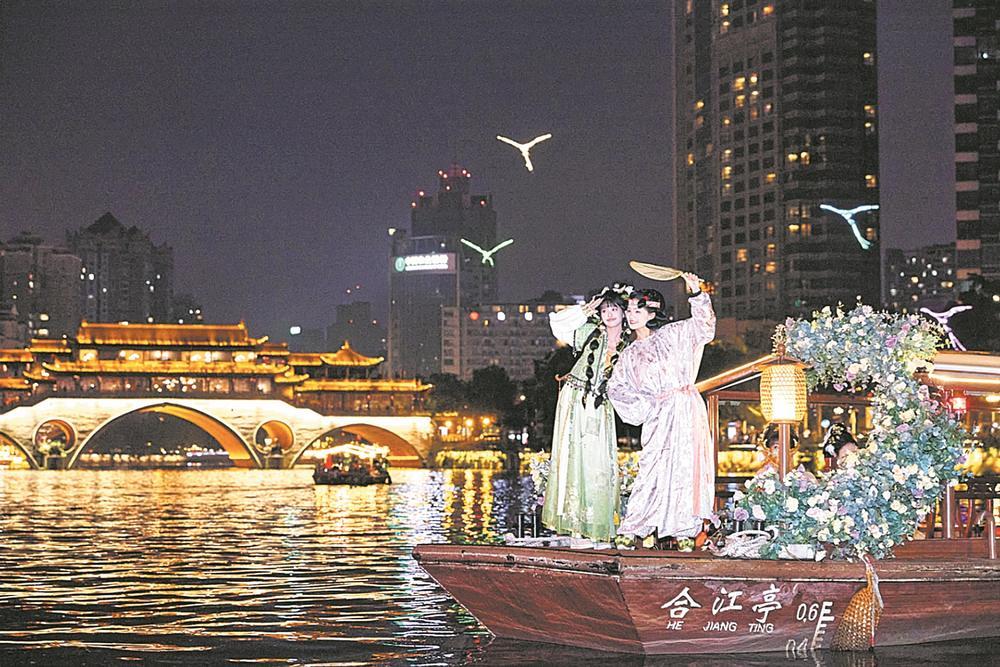
Core Viewpoint - The tourism industry has entered the 3.0 era, characterized by emotional tourism, where the focus shifts from traditional sightseeing to immersive experiences that cater to tourists' emotional needs [6][7]. Group 1: Emotional Tourism Development - Emotional tourism is driven by tourists' desires for healing, ritual, and social recognition, leading them to pay for experiences that provide atmosphere, emotional engagement, and personalized service [7][8]. - The traditional model of tourism development, which relied on attracting visitors, is facing challenges, and the ability to provide emotional value is becoming a key variable for industry growth [7][8]. Group 2: Characteristics of Emotional Value - Emotional value in tourism is defined as the ability of products and services to resonate with tourists' emotions, fulfilling their needs for release, healing, and emotional repair [8]. - Enhancing emotional value can be achieved through creating immersive environments that evoke comfort and joy, as seen in various innovative tourism projects [8][9]. Group 3: Examples of Successful Emotional Tourism - Successful examples include the immersive experiences at Wuhou Shrine and the "Night Tour Jinjiang" event, which effectively engage tourists by creating a romantic and relaxed cultural atmosphere [8][9]. - New tourism landmarks in Chengdu, such as the Chengdu Sci-Fi Museum and the Zhujiabian Low-altitude Economic Industrial Park, cater to specific emotional and aesthetic preferences of tourists [9].
掌握“快乐”密码!云南弥勒打造旅游品牌再突围
Xin Hua Wang· 2026-01-18 09:09
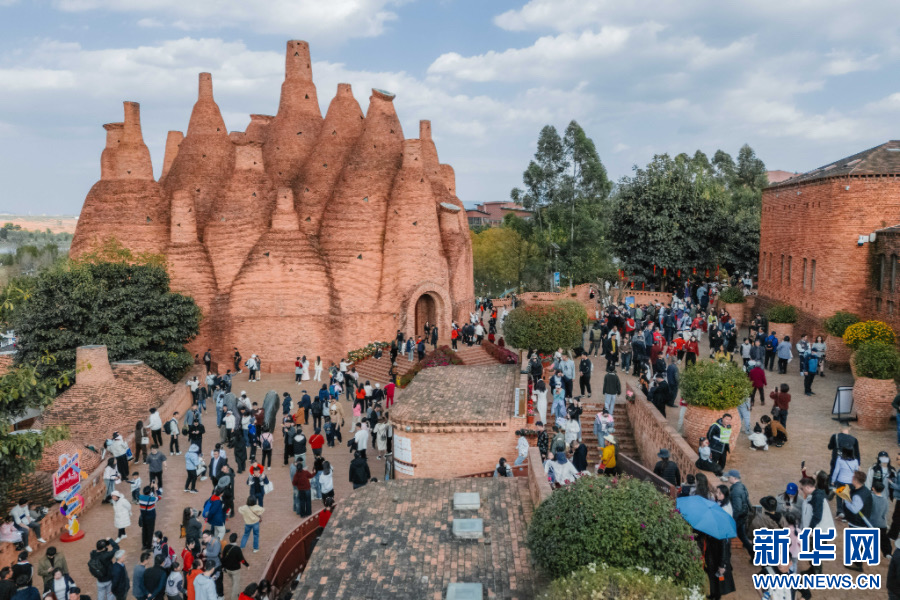
Core Insights - The city of Mile, located in Yunnan Province, has become an increasingly popular travel destination due to its comfortable climate, beautiful ecological environment, and diverse travel experiences [1][3] - The city has launched a new tourism brand, "Happy Mile," aiming to enhance visitor experiences and attract more tourists [7][8] Tourism Development - During the 14th Five-Year Plan period, Mile's tourism industry transitioned from "leisure sightseeing" to "residential vacation," receiving a total of 72.84 million visitors and generating 81.836 billion yuan in tourism revenue [5] - By 2025, the city aims to host over 500,000 residential tourists, with consumption exceeding 6 billion yuan, establishing the tourism sector as a significant contributor to local wealth [5] Brand Strategy - To avoid homogenization in tourism, Mile is focusing on brand development, emphasizing the emotional aspect of travel with the slogan "One arrives in Mile and feels happy" [8] - A tourism brand construction mobilization conference was held in September 2025, with the city government registering all tourism-related trademarks and copyrights for free use by local businesses [8][11] Marketing and Promotion - The brand was first showcased at the 2025 China International Tourism Trade Fair, receiving widespread attention and featuring the release of the "Happy Mile Song" music video [11] - Social media has seen an influx of visitors using the "One arrives in Mile and feels happy" tag to share their experiences, indicating effective brand penetration [11] Future Directions - The city plans to focus on enhancing the experience, recognition, and capacity of its attractions, aiming to create a differentiated tourism product system [12] - There is an emphasis on developing high-quality health and wellness tourism, aligning with rural revitalization and new urbanization efforts, positioning Mile as a new benchmark for tourism in Yunnan [12]
读懂文旅2025,这10个关键词真刷屏过
Sou Hu Cai Jing· 2026-01-02 04:56
Core Insights - In 2025, China's cultural tourism industry is at a critical juncture for high-quality development, driven by policy benefits and upgraded consumer demand, shifting from "ticket economy" to "integrated economy" [1] - The industry is experiencing deep integration with capital, sports, technology, and education, as visitor demands evolve from sightseeing to emotional resonance and immersive experiences [1] Policy and Strategic Development - 2025 marks the end of the "14th Five-Year Plan" and the beginning of the "15th Five-Year Plan," reinforcing the strategic positioning of the cultural tourism industry [3] - National policies have been introduced to cultivate new growth points and promote cultural and tourism consumption, establishing the industry as a pillar sector [3] Immigration and Tourism Growth - The expansion of visa-free policies has significantly boosted inbound tourism, with 40.6 million foreign entries recorded in the past year, a 27.2% increase [6] Capital Investment Trends - The cultural tourism capital market is active, with significant investments such as Hubei Cultural Tourism Group planning to invest nearly 1.8 billion yuan in Junting Hotel Group [8] - New investment hotspots include technology-driven cultural tourism and rural tourism, accelerating the industry's transformation [8] Emerging Travel Trends - "County tourism" has become a new trend in 2025, with a focus on quality experiences rather than just sightseeing, supported by a report indicating a significant shift in tourism consumption patterns [10] - The rise of "emotional tourism" reflects a shift in consumer preferences towards experiences that provide emotional resonance and healing [22] Technological Integration - The application of smart tourism technologies is advancing, with digital platforms enhancing the entire tourism value chain, including online bookings and smart navigation [12] Event-Driven Tourism - Major events like the "Super League" football matches and concerts have significantly boosted local tourism consumption, demonstrating the potential of sports and entertainment to drive tourism [14] Holiday Policy Impact - The promotion of spring and autumn holidays has stimulated tourism consumption, with notable increases in tourist numbers and spending during these periods [16] Innovative Operational Models - The tourism industry is shifting from hardware competition to software upgrades, with innovative practices emerging to attract visitors beyond traditional scenic spots [18] Hainan's Tourism Development - The launch of Hainan's free trade port is expected to enhance its tourism sector, increasing the variety of duty-free goods and improving the overall visitor experience [20]

2025,文旅就在「生活」里
3 6 Ke· 2025-12-17 03:14
Core Insights - The article discusses the evolving travel preferences of the younger generation, emphasizing a shift from traditional travel to more spontaneous and integrated experiences that blend leisure with daily life [1][3][8]. Group 1: Travel Trends - The concept of "micro-vacation" is highlighted as a key trend in 2025, representing a form of nearby leisure that allows individuals to escape their daily routines [4][8]. - Young travelers are increasingly prioritizing experiences that are emotionally fulfilling and integrated into their everyday lives, rather than seeking out traditional tourist attractions [1][10]. - The rise of "Citywalk" and "20-minute park effect" indicates a preference for short, accessible trips that enhance local engagement and community experiences [1][3]. Group 2: Economic Impact - The county tourism market in China is projected to continue growing, with a focus on travel options that can be reached within three hours, appealing to younger demographics [3]. - Events like the "Su Super League" have significantly boosted local economies, generating substantial revenue through tourism, dining, and accommodation, with reported earnings of 379.6 billion yuan from the first six rounds of matches [13]. - The integration of cultural events and local experiences into tourism has led to increased visitor numbers and spending, as seen in locations like Dali and Hunan [14][19]. Group 3: Cultural Integration - The blending of cultural elements into daily life is becoming a hallmark of modern tourism, with local traditions and experiences being highlighted as key attractions [19]. - The use of technology, such as AR and AI, is enhancing the cultural experience in tourism, making historical and cultural narratives more accessible and engaging for visitors [17][19]. - The article emphasizes the importance of creating immersive experiences that resonate emotionally with travelers, transforming tourism into a more participatory and meaningful activity [15][17].