
触觉智能TPU

Search documents
福莱新材:提出“触觉智能TPU”概念 可能改变机器人行业底层逻辑
Zheng Quan Shi Bao Wang· 2025-12-07 14:41
Core Concept - The company has introduced a new concept called "Tactile Intelligent TPU," which could potentially revolutionize the underlying logic of the robotics industry [2] Group 1: Current Challenges in Robotics - The main pain point in embodied intelligence is the disparity between advanced cognitive capabilities and the lack of tactile feedback, leading to user confidence issues in robotic applications [2] - Current robots can "see" the world but struggle with "touch," lacking the ability to perceive physical properties like softness or friction when interacting with objects [2] Group 2: Technological Innovations - To create a qualified Tactile Intelligent TPU, the company must overcome three technical challenges: speed, cognition, and coverage, requiring breakthroughs in materials science and deep integration of chip architecture with AI algorithms [3] - The company has pioneered a design that integrates signal processing chips directly with tactile sensors, enabling rapid reflexes in robots, akin to a "spinal cord" in their fingertips [3] Group 3: Cognitive and Coverage Enhancements - The TPU incorporates advanced physical-guided machine learning algorithms that translate voltage signals into comprehensible physical language for the robot's brain, enhancing cognitive capabilities [6] - The company has achieved full coverage from fingertips to the robot's body with a high-density electronic skin, providing safety features for human-robot interaction, such as force control during embraces and emergency stops during collisions [6]


福莱新材触觉智能TPU:唤醒AI触觉 让机器人读懂物理世界
Zheng Quan Ri Bao Wang· 2025-12-07 12:14
Core Viewpoint - Zhejiang Fulai New Materials Co., Ltd. has introduced a new concept called "Tactile Processing Unit (TPU)" aimed at addressing the challenges faced by robots in interacting with the physical world, particularly in tasks requiring delicate touch [1][2]. Group 1: Tactile Processing Unit (TPU) Concept - The TPU is designed to fill the gap in tactile processing within the "intelligent triad" of robots, which includes the CPU for logical decision-making and the GPU for visual perception [2]. - The TPU provides robots with a "certainty" through precise tactile perception, correcting visual biases and enabling a shift from probabilistic to factual interaction with the environment [2]. Group 2: Technical Innovations - Fulai New Materials has achieved breakthroughs in speed, cognition, and coverage to develop an efficient TPU [3]. - The TPU integrates miniaturized, flexible signal processing chips directly with tactile sensors, allowing for millisecond-level response times to prevent object slippage [3]. - It employs physical-guided machine learning algorithms to translate raw signals into understandable physical language, achieving a spatial resolution of less than 0.1 millimeters [3]. Group 3: Collaborative Development - The company collaborates with Zhejiang Tsinghua Flexible Electronics Technology Research Institute for hardware development and partners with top teams like Tongzhi Artificial Intelligence Technology (Beijing) Co., Ltd. for algorithm enhancement [3]. - The TPU has already been successfully delivered to leading global robotics and dexterous hand companies [3].
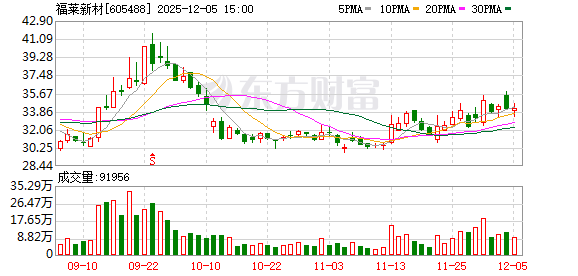
机器人产品已覆盖感知端与决策端 机器人概念股单日涨近13% 本周机构密集调研相关上市公司
Xin Lang Cai Jing· 2025-11-30 14:43
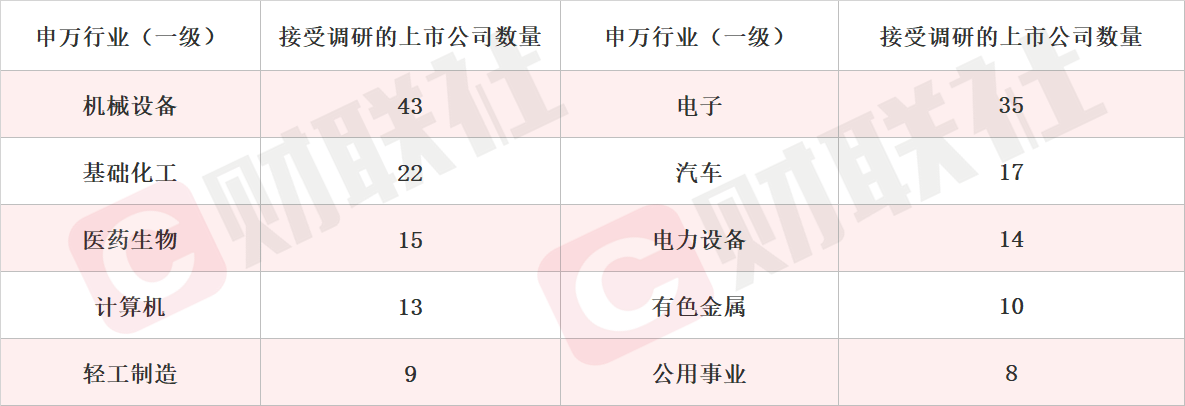
Group 1 - A total of 264 listed companies in the Shanghai and Shenzhen markets have been investigated by institutions this week, with the highest frequency of inquiries in the machinery equipment, electronics, and basic chemicals sectors [1] - The automotive and pharmaceutical industries have seen an increase in attention from institutions [1] - The top three sectors in terms of institutional focus are general equipment, specialized equipment, and semiconductors, with rising interest in electricity and plastics [2][3] Group 2 - The companies with the highest number of investigations include Haixia Co. and Weisheng Information, each receiving three inquiries [3] - The top three companies by institutional visit reception volume are Jereh Group (168 visits), Fola New Materials (114 visits), and Kaiying Network (100 visits) [5] - The robotics sector has shown active market performance, with Haon Electric's stock rising nearly 13% following an institutional investigation [5] Group 3 - Fola New Materials is addressing a significant pain point in the robotics industry related to the lack of dexterity in robotic hands, focusing on developing tactile intelligence TPU [7] - Siling Co. is advancing the mass production of robotic components, including harmonic reducers and actuator modules [7] - Aobi Zhongguang is expanding its customer base in the Asia-Pacific market and has established partnerships with several global companies, achieving a 72% market share in the 3D vision market for commercial and industrial mobile robots in South Korea [8] Group 4 - Haon Electric has developed products covering both perception and decision-making in robotics, including ultrasonic radar systems and high-performance control systems [5] - Jereh Group has achieved significant advancements in robotic components, with their harmonic reducers outperforming international products in precision and vibration [9] - Jinli Yongci has established a research center in Hong Kong for the development of embodied robot motor rotors, with small batch deliveries expected by the end of 2025 [10]

芯感一体 触觉赋能 福莱新材开启机器人“触觉智能TPU”新时代
Shang Hai Zheng Quan Bao· 2025-11-27 18:20
Core Viewpoint - The company, Fulei New Materials, has launched its third-generation electronic skin, which represents a significant advancement in tactile sensing technology, enabling robots to have enhanced perception capabilities [4][5][6]. Product Launch and Features - Fulei New Materials held a product launch event in Shanghai, introducing the third-generation electronic skin, also known as "flexible sensors," which incorporates a Tactile Processing Unit (TPU) for edge computing [4][5]. - The new product allows for advanced tactile feedback, providing detailed information about the objects being touched rather than just basic contact data [4][5]. - The third-generation electronic skin features three core breakthroughs: integration of sensing and processing, advanced intelligent algorithms for deeper perception, and an increased effective sensing area [5][6]. Market Demand and Orders - The electronic skin has garnered interest from numerous domestic and international clients, with some expressing clear demand for bulk orders [4][9]. - In the North American market, the company has achieved small batch orders, indicating a growing interest in its products [9]. Strategic Direction and R&D Investment - Fulei New Materials is transitioning from a functional coating material supplier to an intelligent sensing solution provider, with the electronic skin being a key component of this transformation [5]. - The company has significantly increased its R&D investment, particularly in the flexible sensor project, which has seen funding in the million-yuan range [7]. - The R&D team is expanding, bringing together experts in sensor technology and AI algorithms to tackle technical challenges in the sensor field [7]. Collaborations and Industry Impact - The company is fostering partnerships with leading research institutions to enhance its technology, including a collaboration with Zhejiang Tsinghua Flexible Electronics Technology Research Institute [8]. - The integration of flexible sensing technology with AI algorithms is expected to create a significant impact on the industry, driving innovation and development in embodied intelligence applications [8].

福莱新材发布第三代电子皮肤产品 植入芯片算法打造触觉智能TPU
Zheng Quan Shi Bao Wang· 2025-11-27 14:24
Core Viewpoint - The company has officially launched its third-generation electronic skin product, marking a strategic shift from a functional coating material supplier to an intelligent sensing solution provider, driven by advancements in AI technology [1][2]. Group 1: Product Development - The third-generation electronic skin features three core breakthroughs: integration of sensing and processing through embedded chips, advanced intelligent algorithms for enhanced perception, and a significantly increased effective sensing area [2][3]. - The product is described as a comprehensive system combining flexible materials, chips, algorithms, and large models, representing a significant upgrade from traditional single-function materials [2]. Group 2: Research and Development - The company's R&D team has doubled in size compared to the end of last year, attracting experts in sensor technology and AI algorithms, which enhances its competitive edge in the industry [3]. - The company emphasizes continuous investment in R&D, focusing on tactile sensors for robotics, industrial detection systems, and consumer electronics to deepen its technological moat [2][3]. Group 3: Market Expansion - The company is actively expanding into the North American market, establishing a wholly-owned subsidiary in California to support business and technical operations, positioning itself as a key supplier of electronic skin products [4]. - The company has received significant interest from leading humanoid robot companies in North America, with several clients placing bulk orders exceeding one hundred units [4]. Group 4: Strategic Focus - The company aims to explore new profit growth points by focusing on flexible tactile sensors, electronic-grade functional materials, and environmentally friendly coating packaging materials [5]. - The company's heat transfer film business is experiencing rapid growth, with applications expanding from clothing to personalized consumer products, particularly in overseas markets [5].