谷歌Flow

Search documents
美国3D设计软件公司欧特克起诉谷歌侵权
Xin Lang Cai Jing· 2026-02-11 09:28
Core Viewpoint - Autodesk has filed a lawsuit against Google, alleging trademark infringement regarding the "Flow" brand, which could confuse consumers about the products of both companies [1][2]. Group 1: Company Background - Autodesk, founded in 1982 and headquartered in San Francisco, California, is a leading global provider of 2D and 3D design, engineering, and entertainment software [1]. - In 2022, Autodesk launched the "Flow" brand, targeting film creators with a cloud platform and products like Flow Studio, which uses AI to convert live-action footage into 3D scenes [1]. Group 2: Product Comparison - Google's AI video creation tool, Flow, is set to be released on May 21, 2025, and utilizes generative AI to create visual content from scratch, incorporating technologies from Google's AI video, image generation, and language models [1]. - In contrast, Autodesk's Flow Studio focuses on computer vision and motion capture to enhance the post-production process of existing footage [1]. Group 3: Legal Allegations - Autodesk claims that Google previously stated it would not commercialize the "Flow" name but later applied for the trademark in Tonga, a country with limited public trademark application information [2]. - Autodesk argues that Google's trademark application in Tonga was a strategic move, as Google could leverage its scale to undermine Autodesk's product and trademark rights despite the success of Flow Studio [2]. - The company asserts that there has been actual confusion among users, with many mistakenly referring to Google's product as "Flow Studio" [2].


AI碰上影视,会擦出怎样的火花
Ke Ji Ri Bao· 2025-06-05 01:20
Core Insights - The integration of AI technology is transforming the film industry, with significant advancements in AI-generated content and its applications in filmmaking [1][2][3] - AI-generated short films and animations are emerging, showcasing improved quality and potential for profitability, which could reshape the industry [2][3][4] - The development of specialized AI models tailored for film production is essential for meeting industry demands and enhancing content quality [4][5] Group 1: AI Technology in Film Production - AI technology has been used in traditional film production since 2017, initially for video material restoration [2] - Recent films have utilized AI for virtual shooting and special effects, reducing production costs significantly [2][8] - The emergence of fully AI-generated videos is anticipated, with improvements in continuity and quality observed in recent productions [3][4] Group 2: Challenges and Development Trends - Current AI-generated content faces challenges in achieving the nuanced performances of human actors, particularly in emotional expression [3][5] - The need for a specialized AI film production system is highlighted, requiring the development of proprietary AI models tailored to the film industry [4][5] - A shortage of interdisciplinary talent that understands both film production and AI technology is a significant barrier to progress [5][6] Group 3: Impact on the Film Industry - The rise of AI-generated characters may lead to a restructuring of actor demand, with potential implications for actor compensation [7][8] - AI technology is expected to enhance efficiency in film production, allowing for significant cost reductions and resource accessibility [8][9] - The potential for AI-generated content to drive innovation in the film industry is recognized, with implications for other sectors such as education and advertising [9]

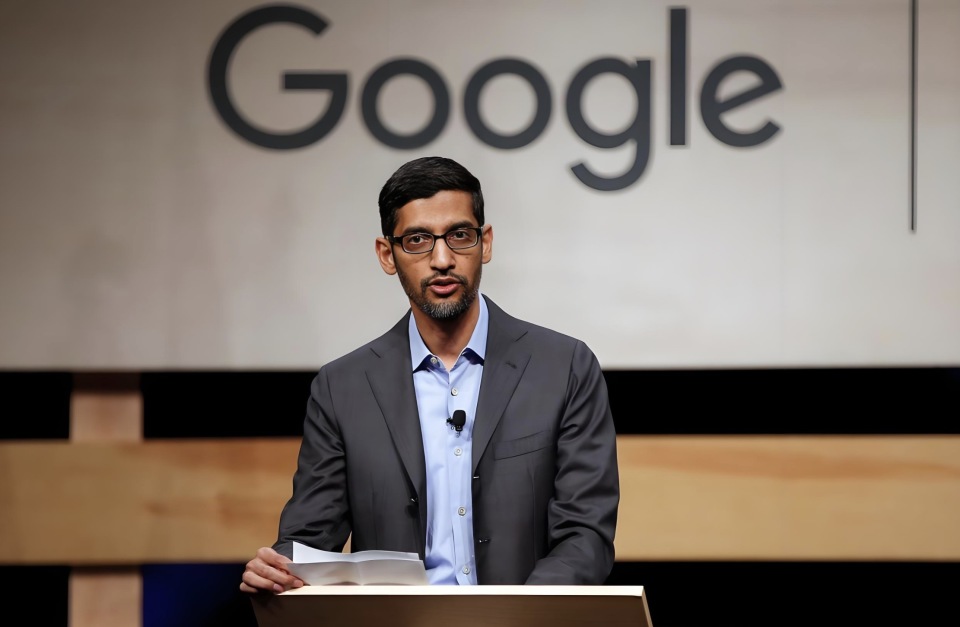
谷歌CEO访谈:AI业务的崛起与未来之路,互联网生态将重新洗牌
3 6 Ke· 2025-05-30 12:52
Group 1 - The core focus of the Google I/O conference was the significant advancements in artificial intelligence (AI) technologies and the introduction of new AI products, marking a transformative phase for Google's AI platform [1][2][4] - Sundar Pichai emphasized that the current internet landscape is expanding, with Google driving unprecedented traffic to various websites, and discussed the potential impact of AI tools on the future of web browsing and the internet ecosystem [2][4][5] - The AI search functionality is currently in testing across the United States, with plans for broader integration into Google's main search system, indicating a shift towards more personalized and interactive search results [2][3] Group 2 - Pichai described the ongoing transition to a new platform phase in AI, highlighting the self-improving nature of AI technologies and their potential to revolutionize user interaction with computers [5][6] - The second phase of AI development is characterized by the emergence of applications that leverage AI capabilities, with expectations of rapid growth in this area, similar to the impact of mobile devices and the internet [6][7] - AI is expected to enhance product development participation, creating a multiplier effect across various sectors, including enterprise applications in video creation, legal assistance, and medical transcription [7][8] Group 3 - Google is collaborating with partners to develop AI-driven augmented reality glasses, which are anticipated to become significant in the market, although mainstream adoption may take time [8][9] - The company is focused on creating a seamless user experience with AI technologies, which could lead to a shift in how consumers interact with digital content and devices [9][10] - Pichai noted that the number of accessible web pages has increased by 45% over the past two years, indicating a dynamic evolution in content production and consumption [10][11] Group 4 - Concerns were raised by media organizations regarding Google's AI model potentially undermining traditional content monetization, with calls for clearer attribution and compensation for content creators [12][13] - Pichai defended Google's approach, stating that AI models will always attribute sources and that the company remains committed to driving traffic to various publishers [13][14] - The overall search volume is reportedly increasing, despite claims of declining usage on specific platforms, with Google asserting that its search capabilities are evolving to meet user needs [15][16] Group 5 - The discussion included the implications of AI on platform-based businesses, with Pichai suggesting that the internet is evolving into a series of databases that AI can query, potentially altering the role of companies like Uber and Airbnb [17][18] - Pichai acknowledged the complexities of this transition, emphasizing the need for businesses to adapt to new consumer preferences driven by AI technologies [19][20] - Google is facing antitrust pressures, but Pichai expressed confidence in the company's ability to innovate and maintain its product offerings regardless of legal challenges [21][22]