超极本

Search documents
芯片巨头集体站台联想 中国机器人军团出海
Xin Lang Ke Ji· 2026-01-09 03:36
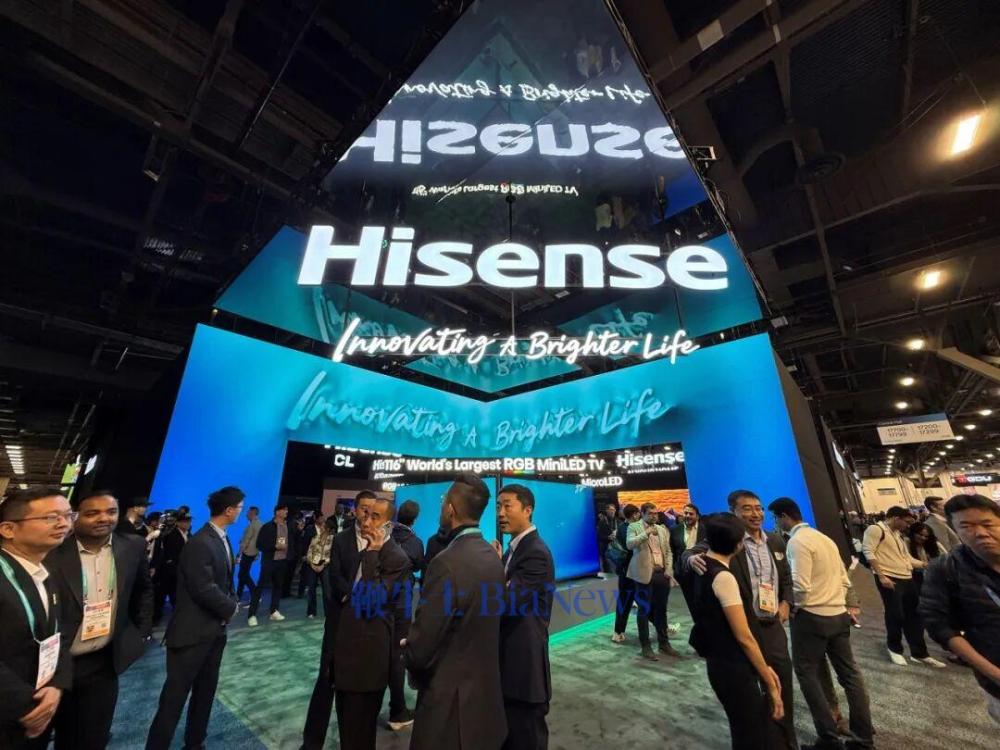
Group 1: CES Overview and Trends - Las Vegas hosts over 22,000 commercial events annually, contributing more than $10 billion in revenue, with CES being the most significant event [1] - CES has evolved through various technology trends over the past 15 years, including the rise of drones, smart home devices, and AI [2] - The focus of CES 2026 shifted to embodied AI and humanoid robots, indicating a transition from novelty to serious commercial discussions [2] Group 2: Rise of Chinese Companies - Chinese exhibitors have significantly increased in presence and quality at CES, moving from peripheral displays to central exhibition halls [3][4] - In 2019, Chinese exhibitors peaked at approximately 30% of total participants, and over 1,300 Chinese companies participated in the latest CES, reaffirming their dominance as the largest foreign presence [3] - Chinese companies have transitioned from low-cost manufacturing to showcasing core technologies, with over 40% of CES 2026 Innovation Awards going to Chinese firms [4][5] Group 3: Lenovo and Hisense's Strategic Moves - Lenovo hosted its Tech World conference at the Sphere, marking a significant event for the company and showcasing its industry position [6] - The presence of major tech leaders at Lenovo's event highlighted its status as a leading consumer electronics company [6] - Lenovo became the official technology partner for the FIFA World Cup 2026 and 2027, emphasizing its commitment to global sports marketing [7][9] Group 4: Robotics and AI Developments - Humanoid robots emerged as a key focus at CES 2026, showcasing advancements in AI and commercial viability with costs reaching around $20,000 [10] - The competition in the robotics sector is intensifying among China, the U.S., and South Korea, with each region adopting different strategies for ecosystem integration [11] - Chinese robotics companies are increasingly entering the global market with a focus on commercial applications, moving beyond mere technology demonstrations [12][13] Group 5: Market Dynamics and Future Outlook - The robotics industry is shifting from feasibility to long-term deployment, with Chinese firms leveraging their manufacturing capabilities for sustained operations [13][14] - Companies like UBTECH and Yush Robot are achieving significant milestones in production and government contracts, indicating a stable demand in the early market [14] - The evolution of Chinese companies from supporting roles to industry leaders reflects a broader trend of defining industry standards and enhancing brand recognition [14]


芯片巨头集体站台联想,苏妈亲自彩排!FIFA主席为中企赴会,中国机器人军团出海
Xin Lang Ke Ji· 2026-01-09 03:19
Core Insights - Las Vegas serves as a significant hub for global exhibitions, hosting over 22,000 commercial events annually, contributing to more than $10 billion in revenue [1] - The Consumer Electronics Show (CES) has evolved over the years, showcasing major technological trends and innovations, with a notable shift towards embodied AI and humanoid robots in recent years [2][3] Industry Trends - The 2010s saw a clear focus on PCs and smartphones at CES, with major players like Intel and Samsung dominating the scene [2] - The rise of consumer drones and smart home technology marked significant trends from 2013 to 2018, although many faced market corrections due to regulatory and practical challenges [2] - The current CES highlights a transition from novelty to serious commercial applications in embodied AI and humanoid robotics, indicating a maturation of market expectations [3][18] Chinese Companies' Growth - Chinese exhibitors have significantly increased their presence at CES, with over 1,300 companies participating this year, making China the largest foreign contingent [5][7] - The quality of Chinese products has improved, with over 40% of the CES 2026 Innovation Awards going to Chinese companies, reflecting a shift from assembly to core technology output [7] - Major Chinese firms like Lenovo and Hisense are now competing at the forefront of technology, showcasing advanced products and securing partnerships in global events like the FIFA World Cup [13][16] Robotics Industry Developments - Humanoid robots are becoming commercially viable, with costs dropping to around $20,000, indicating readiness for market deployment [18] - Chinese robotics companies are increasingly showcasing their products at CES, with 21 out of 38 exhibitors being from China, demonstrating a shift towards commercial readiness and market integration [21][22] - The focus of the robotics industry is shifting from mere functionality to long-term operational stability, with Chinese firms emphasizing their comprehensive self-research capabilities [24]

最短命电子产品:谁杀死了上网本?
3 6 Ke· 2025-04-23 08:23
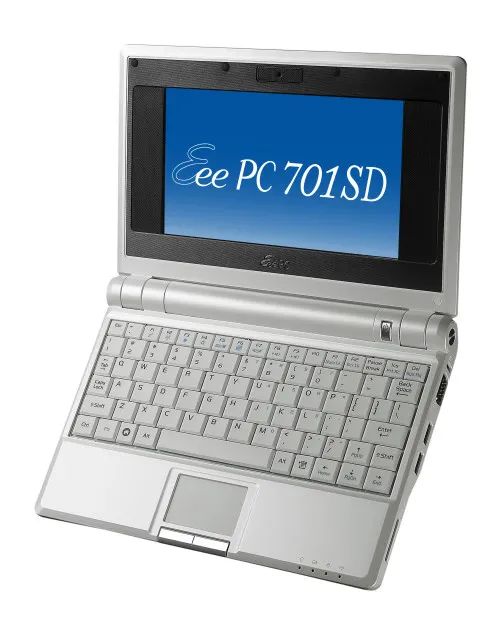
Core Viewpoint - The rise and fall of the ASUS Eee PC, which pioneered the netbook category, illustrates the rapid evolution of consumer electronics and the impact of market dynamics on product lifecycle [1][13][43] Group 1: Product Launch and Market Impact - ASUS became the world's second-largest OEM in 2006, primarily manufacturing computers and servers for Dell and HP [1] - The launch of the ASUS Eee PC in 2007 marked the beginning of the netbook revolution, achieving nearly 40 million units sold at its peak [1][9] - The Eee PC was priced at $299, significantly lower than traditional laptops, which contributed to its rapid adoption [4][9] Group 2: Market Dynamics and Consumer Behavior - The global financial crisis in 2007 amplified the appeal of low-cost netbooks as consumers sought affordable alternatives to traditional laptops [7][9] - The entry of various manufacturers, including Acer and numerous low-cost producers in Shenzhen, further drove down prices and expanded the netbook market [6][9] - Netbooks found a niche in the education sector, particularly in developing countries, where they were seen as a cost-effective solution for providing students with computers [9][12] Group 3: Decline and Technological Evolution - Despite initial success, netbook sales began to decline sharply after 2010, with sales dropping from 39.4 million units in 2010 to just 1.4 million by 2013 [10][13] - The emergence of tablets and smartphones, which offered better performance and portability, contributed to the decline of netbooks [30][36] - The rapid advancement of technology, as described by Moore's Law, led to increased performance in traditional laptops, making them more competitive against netbooks [26][29] Group 4: Legacy and Industry Influence - The netbook phenomenon highlighted consumer demand for lightweight, affordable computing solutions, influencing the design and marketing of future products like ultrabooks and Chromebooks [42][43] - Although netbooks were short-lived, their impact on the industry was significant, prompting manufacturers to explore new market segments and innovate in product design [42][43]