软件30ETF易方达(562930)

Search documents
谷歌、英伟达“双雄争霸”!AI芯片行情持续演绎,相关ETF或现布局机遇?
Sou Hu Cai Jing· 2025-11-26 07:51
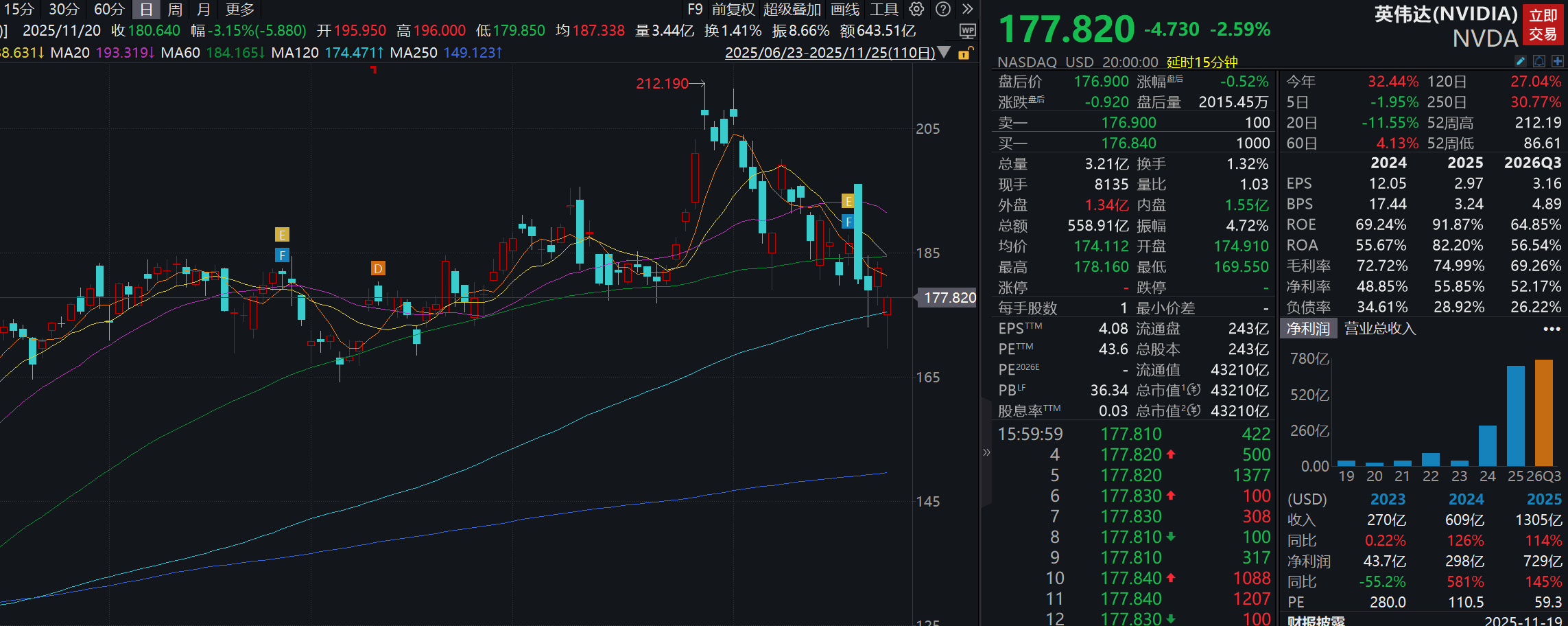
Core Viewpoint - The AI chip sector is undergoing significant changes, with a competitive struggle emerging between Google and Nvidia, reshaping the global AI infrastructure landscape and presenting potential investment opportunities. Group 1: Nvidia's Market Response - Nvidia issued a rare "gentle" statement on social media, expressing happiness for Google's achievements in AI and reaffirming its position as the only platform capable of running all AI models across various computing scenarios, following a more than 7% drop in its stock price, resulting in a market cap loss of several billion dollars [2] - The market's concern centers around Google's self-developed TPU chips potentially undermining Nvidia's dominance in AI computing power [2] Group 2: Google's Self-Sufficient AI Ecosystem - A leading brokerage report highlights that Google is building a fully self-sufficient AI ecosystem, from chips (TPU v7p) to models (Gemini 3.0) to applications (search + Waymo), contrasting with OpenAI's heavy reliance on external computing power [5] - This ecosystem is translating into financial returns, with TPU deployments significantly reducing inference costs and stabilizing search market share above 90%, supported by strong advertising cash flow [5] - Alphabet's stock has shown a remarkable return of nearly 82% over the past year, outperforming Nvidia's 27% increase, indicating a market shift [5] Group 3: Competitive Dynamics in AI Chips - Google's TPU has evolved from an internal workload tool to a core component of its AI strategy, with Gemini 3.0 trained entirely on TPU, achieving performance benchmarks comparable to or exceeding GPT-4 [6][7] - Nvidia emphasizes its GPUs as the only universal platform capable of running all AI models, showcasing superior adaptability in various scenarios compared to TPUs, and highlighting significant performance improvements in its new Blackwell architecture [8][9] - Nvidia is also strengthening its ecosystem through substantial investments in companies like Anthropic and a long-term collaboration with OpenAI, alongside launching DGX Cloud to enhance its "GPU as a service" capabilities [10] Group 4: Industry Impact and Future Outlook - The industry is transitioning from a single-dominant player to a dual-leader model, with Google’s TPU gaining market share while Nvidia maintains its core position [12] - In the long term, the performance gap between TPUs and GPUs is narrowing, with cost advantages likely to drive TPU adoption [12] - Google is evolving beyond a search-driven company, leveraging TPU, Gemini, and its cloud ecosystem to build a self-sufficient AI empire, while Nvidia is transitioning from merely selling graphics cards to maintaining its role as the "operating system" of the AI world [12] Group 5: Investment Opportunities in AI Chips - The adjusted AI sector presents significant value, with current valuations of tech giants being much lower than during the 2000 internet bubble, indicating that AI-driven innovation will remain a key market driver in the coming year [13] - Investors may consider focusing on ETFs related to chip technology, cloud computing, and AI applications to capitalize on these trends [14][16]



“股神”抢筹AI赛道,软件行业呈现回暖态势!软件30ETF易方达(562930)聚焦AI软件,把握投资机遇
Sou Hu Cai Jing· 2025-11-18 09:52
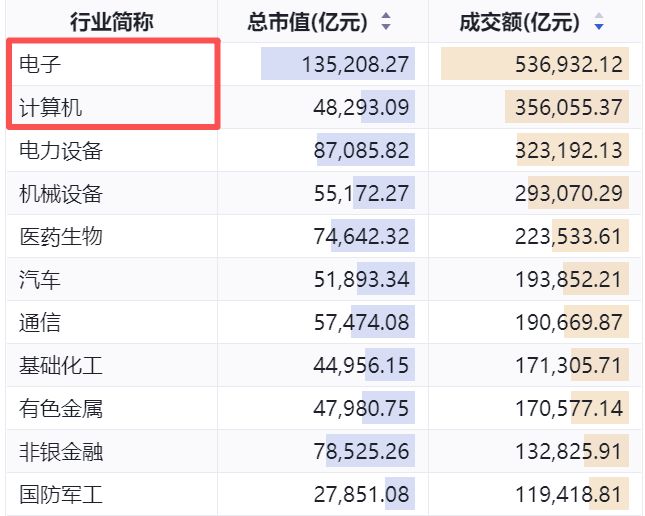
Group 1 - The software sector is experiencing a strong performance, with the China Software Service Index rising nearly 2% as of November 18, driven by favorable news and the increasing importance of self-controlled basic software for national security and sustainable industrial development [1] - The domestic software industry is in a growth phase, with significant potential for future development due to multiple positive factors [1] Group 2 - Berkshire Hathaway's recent 13F filing revealed a substantial investment in Alphabet, valued at approximately $4.3 billion, making it the company's tenth-largest holding, indicating a consensus on AI investments [2] - The AI sector has seen a net inflow of nearly 99 billion yuan in financing this year, reflecting a strong trend in the industry [2] Group 3 - The electronics and computer sectors have become the primary focus for capital, with the electronics industry achieving a transaction volume exceeding 53 trillion yuan over the past year, significantly outpacing other sectors [3] Group 4 - Recent policies from the Ministry of Industry and Information Technology and the State Administration for Market Regulation emphasize support for key enterprises in the electronic information manufacturing industry, promoting domestic products and technological self-reliance [4] - The central government has highlighted the importance of technological independence and the institutionalization of data elements in its 14th Five-Year Plan, aiming to accelerate the development of core technologies in software and integrated circuits [4] Group 5 - Several domestic software companies reported positive third-quarter results, with Kingsoft Office achieving a revenue increase of 25.33% and a net profit increase of 35.62%, while Foxit Software reported a revenue increase of 47.80% and a net profit increase of 106.29% [5] - International software companies, including Google and Cloudflare, also reported strong performance, with ongoing investments in AI infrastructure and expansion into various AI application scenarios [5] Group 6 - The Software 30 ETF by E Fund focuses on AI software, aiming to capture investment opportunities in the sector, reflecting the overall performance of listed companies in software development and services [8] - The index tracks 30 representative companies in the software service industry, indicating a potential for sustained investment value driven by domestic demand and technological innovation [8]