
远程手术机器人

Search documents
手术机器人收费有了“国家标准” 涵盖37项价格项目、5项加收项及1项扩展项
Jing Ji Ri Bao· 2026-02-01 22:01
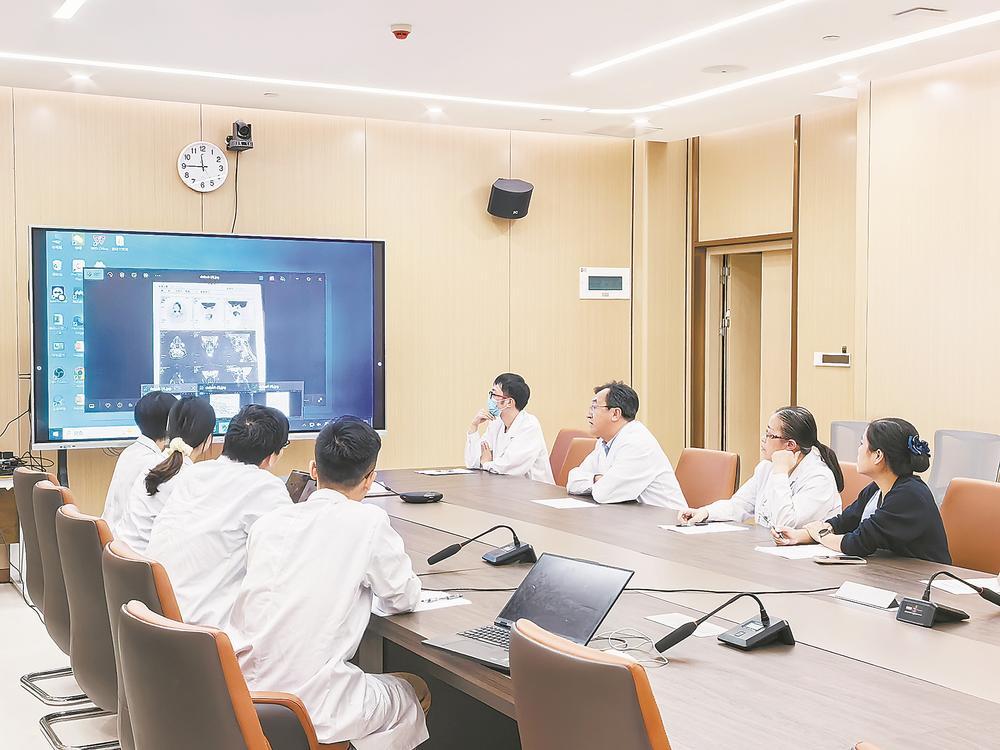
Core Viewpoint - The National Healthcare Security Administration has released a guideline for pricing surgical and therapeutic auxiliary medical services, establishing a unified national pricing framework for advanced medical technologies such as 3D printing and robotic surgery, aiming to shift from traditional treatment to precision medicine [1][2]. Group 1: Pricing Framework - The guideline includes 37 pricing items, 5 additional charges, and 1 expansion item, which will standardize clinical diagnosis and treatment fees while opening new avenues for the medical device industry [1]. - Previously, the pricing model for surgical robots lacked a unified standard, leading to chaotic fee structures and unreasonable charges, which increased the burden on patients and complicated insurance interventions [2]. Group 2: Clinical Value and Incentives - The new pricing approach is based on clinical contribution, allowing more advanced and precise surgical robots to command higher fees, thus incentivizing innovation and focusing the industry on technological advancements [3]. - The guideline establishes three pricing categories for surgical robots: navigation, participation, and precision execution, ensuring that fees are aligned with the level of clinical contribution [2][3]. Group 3: Remote Surgery Applications - The guideline also clarifies the pricing path for remote surgery, which has been successfully demonstrated with a distance of over 8000 kilometers, showcasing the potential of remote robotic surgery [3]. - The establishment of a "remote surgery auxiliary operation fee" will facilitate the entry of high-quality surgical robots into the market, making advanced medical technology accessible to more patients [4]. Group 4: Future Directions - The National Healthcare Security Administration aims to complete the guideline compilation and promote the basic unification of medical service pricing projects nationwide, ensuring high-quality, efficient, and affordable medical services for the public [4].

广东省政协委员林浩添:壮大眼科新质生产力,让患者享受科技红利
2 1 Shi Ji Jing Ji Bao Dao· 2026-01-27 07:41
Core Insights - The article highlights the advancements in remote surgical technology, particularly the world's first remote robot-assisted retinal injection surgery conducted by Zhongshan University Eye Center, marking a significant breakthrough in the field of eye health by 2025 [1][6] - The establishment of a separate pricing category for remote surgical assistance by the National Medical Insurance Administration indicates a push towards upgrading medical technology and improving accessibility for patients, especially in remote areas [1][6] Group 1: Technological Innovations - The remote robot-assisted surgery can perform precise operations within 7 minutes, showcasing the potential of advanced technology in enhancing surgical efficiency and accuracy [1] - The ChatZOC eye model, developed in collaboration with Huawei, is being piloted in rural areas, demonstrating the application of AI in diagnosing and preventing eye diseases [2] - The integration of a flying eye hospital with advanced technology aims to provide comprehensive eye care services across various terrains, including air, land, and sea [3] Group 2: Drug Development - Zhongshan University Eye Center has developed groundbreaking eye medications, including the world's first eye drops capable of reversing cataracts and new glaucoma treatments, which are currently in phase III clinical trials [4][5] - The center emphasizes the importance of understanding disease mechanisms to create effective treatments, indicating a strong focus on research and development in the pharmaceutical sector [5] Group 3: Policy and Infrastructure - The center's initiatives align with the Guangdong government's focus on enhancing children's eye health, reflecting a growing awareness and proactive measures in the community [7] - Recommendations made during the Guangdong Two Sessions include accelerating the development of flying eye hospitals and improving policies for technology transfer, aiming to bridge the gap between innovation and practical application [8][9] - The establishment of a comprehensive industrial system from drug development to technology platforms is envisioned, positioning the center as a hub for medical innovation in the Guangdong-Hong Kong-Macao Greater Bay Area [10]
优质手术机器人“工资”更高
Ke Ji Ri Bao· 2026-01-22 08:37
Core Insights - The market share of domestic surgical robots in China has increased from 32.61% in 2023 to 48.89% in 2024, indicating significant growth in the sector [1] - Despite advancements, the utilization rate of surgical robots in China remains low at 6.33%, compared to 42% in the United States, highlighting the need for further development [1] - The National Healthcare Security Administration (NHSA) has released a guideline to rationalize the pricing logic for surgical robots, aiming to promote innovative technologies in healthcare [1] Pricing Logic Changes - Previously, surgical robot charges were based on factors like surgical approach and brand, leading to unclear pricing and increased patient burden [2] - The new guideline introduces three pricing categories: navigation, participation in execution, and precise execution, which will clarify the value of surgical robots in clinical settings [2][3] - This "pay-for-performance" model allows for higher fees for robots that demonstrate greater clinical value and effectiveness, discouraging low-value products from benefiting financially [3] Expansion of Precision Surgery - The guideline aims to broaden the application of precision surgery by encouraging the use of surgical robots for remote operations, thus expanding their clinical use [4] - A new pricing category for remote surgical assistance has been established, allowing experts in resource-rich areas to assist patients in remote locations [4][5] - The introduction of remote surgical capabilities is expected to enhance access to advanced medical technologies for patients in underserved areas [5] Future Developments - The NHSA plans to complete the guideline compilation to achieve a unified pricing system for medical services across the country, ensuring high-quality and affordable healthcare for the public [5]
国家医保局发布医疗服务价格立项指南 优质手术机器人“工资”更高
Ke Ji Ri Bao· 2026-01-20 23:57
Core Insights - The market share of domestic surgical robots in China has increased from 32.61% in 2023 to 48.89% in 2024, indicating significant growth in the sector [1] - Despite advancements, the utilization rate of robots in surgeries in China is only 6.33%, compared to 42% in the United States, highlighting room for improvement in the clinical application of surgical robots [1] Group 1: Changes in Pricing Logic - The previous pricing model for surgical robots was based on factors like surgical approach and brand, leading to unclear charges and increased patient burden [2] - The new guidelines introduce three pricing categories: navigation, participation in execution, and precise execution, allowing for a more transparent and fair pricing structure [2] - This "pay for performance" approach rewards robots that demonstrate higher participation and clinical value, potentially excluding less effective products from benefiting financially [2] Group 2: Clinical Value and Market Recognition - The guidelines acknowledge the clinical value of surgical robots, which may shorten the adoption cycle for new technologies and enhance market recognition for self-developed products [3] - Companies like Shenzhen Precision Medical Technology have successfully completed over 14,000 clinical surgeries with their robotic systems, reinforcing the importance of clinical validation [3] Group 3: Expansion of Precision Surgery - The guidelines aim to broaden the application of precision surgeries by enabling remote surgical assistance, which can be particularly beneficial for patients in remote areas [4] - The introduction of a "remote surgical assistance fee" will facilitate the use of surgical robots in telemedicine, allowing experts in resource-rich areas to assist patients elsewhere [4] - The national health authority plans to unify medical service pricing across the country, ensuring access to high-quality and affordable medical services for the public [4]
家门口就医 从“有”到“优”的福建实践
Xin Lang Cai Jing· 2025-12-22 23:27
Core Viewpoint - The article emphasizes the advancements in healthcare services in Fujian, particularly focusing on high-level hospitals and specialized medical centers, aiming to provide top-tier medical treatment locally and enhance patient satisfaction [5][9]. Group 1: Heavy Ion Therapy - The first heavy ion therapy device in Fujian is operational at the Fujian Medical University Affiliated Union Hospital, providing cutting-edge cancer treatment [6]. - Heavy ion therapy utilizes carbon ions accelerated to 40%-70% of the speed of light, creating a "Bragg peak" effect that allows for precise targeting of tumor cells while minimizing damage to surrounding healthy tissue [6][7]. - Patients report minimal discomfort during treatment, with some able to rest during the procedure, highlighting the efficiency and patient-friendly nature of this advanced therapy [6]. Group 2: Multidisciplinary Treatment Approach - The hospital is integrating various specialties to create a multidisciplinary treatment model, which is crucial for managing complex medical cases [9][11]. - A case study illustrates the successful collaboration among cardiology, neurology, and surgery teams to treat a patient with multiple severe conditions, showcasing the effectiveness of this approach [10][11]. - The hospital's heart center has restructured its teams into specialized groups to enhance patient care and streamline treatment processes [12]. Group 3: Remote Surgery Innovations - The first cross-province remote robotic surgery was successfully performed, demonstrating the potential of telemedicine to provide high-quality care regardless of location [13]. - This technology allows local doctors to assist in surgeries performed by experts from distant locations, enhancing their skills and improving patient outcomes [14]. - The integration of remote surgery aligns with national healthcare policies aimed at optimizing medical resources and improving access to care for patients in rural areas [16].

财说|微创机器人亏损收窄,但现金流仍不宽裕
Xin Lang Cai Jing· 2025-09-30 04:09
Core Viewpoint - Despite the growth in surgical robot shipments, MicroPort (2252.HK) is still far from turning a profit, with significant losses persisting despite revenue increases and cost-cutting measures [1][2][3] Financial Performance - MicroPort reported a 77.0% year-on-year increase in revenue to 176 million yuan, while the net loss narrowed by 59% to 113 million yuan [1][2] - The gross margin decreased from 47% to 41%, indicating increased competition in the surgical robot market [1][2] - The reduction in net loss was largely due to aggressive cost-cutting, particularly in R&D expenses, which fell by 46.0% to 88.6 million yuan [2][3] - Sales and marketing expenses decreased by 12.8% to 80.4 million yuan, and administrative expenses dropped by 40.0% to 18.1 million yuan [2] Cash Flow and Financial Structure - Operating cash flow remained negative at -113 million yuan, indicating ongoing cash consumption despite a 43% reduction in free cash flow outflow [3] - The company held cash and cash equivalents of 816 million yuan as of June 30, which could sustain operations for a few years at the current cash burn rate [3] - To optimize its financial structure, MicroPort redirected 266 million HKD from a planned business development use to repay bank loans, highlighting financial pressure [3] Market Position and Competition - MicroPort's valuation is based on the commercialization prospects of its three core pipelines: Tumai, Honghu, and R-ONE [4] - Tumai, targeting the urology sector, faces intense price competition against established players like Intuitive Surgical's Da Vinci system [4][5] - Honghu, in the orthopedic surgery market, competes with international giants like Stryker and Medtronic, while also facing domestic competition [5] - R-ONE, positioned in the vascular intervention market, has first-mover advantages but requires significant market education and clinical pathway establishment [5] Global Expansion Strategy - MicroPort's overseas revenue grew by 189% to 102 million yuan, accounting for nearly 58% of total revenue [6] - The rapid global expansion strategy poses challenges in terms of funding, talent acquisition, and cross-cultural management [6][7] - Competing in mature markets requires MicroPort to demonstrate superior technology and provide comprehensive clinical training and support, necessitating substantial capital investment [6][7]
基础设施提质 撑起高原好日子
Ren Min Ri Bao· 2025-09-07 22:16
Group 1 - The core viewpoint of the articles highlights the significant improvements in infrastructure in Tibet, particularly in electricity supply, which has enhanced the quality of life for local residents and supported economic development [1][2]. - The establishment of four major power transmission lines, known as "electricity highways," has led to a reliable power supply in Tibet, achieving a reliability rate of 99.6% and facilitating an average annual electricity load growth of 15% [1]. - The total electricity consumption in Tibet is projected to reach 15.417 billion kilowatt-hours in 2024, which is 593 times higher than at the time of the region's establishment [1]. Group 2 - The improvement in infrastructure has allowed residents in high-altitude areas to enjoy modern conveniences, such as clean drinking water, reliable electricity, and access to communication networks, transforming their living conditions [2]. - The tourism sector in areas like the Tarqin tourist town has benefited from better roads and electricity, leading to increased business opportunities, with local businesses reporting significant income growth [2]. - Overall, the development of water, electricity, and communication infrastructure has drastically changed the lives of the local population, moving from basic living conditions to a more comfortable and modern lifestyle [2].
微创医疗20250902
2025-09-02 14:41
Summary of MicroPort Medical's Conference Call Company Overview - **Company**: MicroPort Medical - **Period**: First half of 2025 - **Revenue**: Approximately $550 million, a year-on-year decrease of 2% after excluding currency effects, but a quarter-on-quarter increase of 16% in domestic market revenue [2][3][23] Key Financial Metrics - **Gross Margin**: 56.4%, higher than expected [2][23] - **Net Loss**: Reduced by 66% to $36 million [2][25] - **EBITDA**: Increased by 116% to $128 million [2][25] - **Operating Expenses**: Decreased by 14.5% year-on-year [2][23] - **R&D Expenses**: Significantly reduced by 37% [2][23] - **Cash Reserves**: Increased to $1.04 billion [2][27] Business Performance Highlights - **International Business Growth**: Revenue from overseas operations grew by 57.3%, with significant contributions from: - Cardiac intervention overseas revenue up 95% - Neuroscience overseas revenue up 67.4% - MicroPort Robotics overseas market growth nearly tripled [2][3][12] - **Cardiovascular Intervention**: Net profit increased by 64.4%, with a net profit margin of 21% [2][11] - **Orthopedic Business**: Net loss significantly narrowed by 58%, with EBITDA growth of 29% [2][11] - **Heart Valve Business**: Net loss reduced by 96.2%, with TAVI implant volume reaching 2,146 cases [2][21] Strategic Developments - **New Strategic Investor**: Introduction of state-owned Shanshi Capital as a strategic shareholder, expected to enhance business expansion and governance [2][8][39] - **Business Restructuring**: Strategic reorganization of heart rhythm and management businesses to create a unique global cardiac product platform [2][8] Challenges Faced - **Market Pressures**: Challenges include price pressure from domestic centralized procurement, cautious hospital selections due to anti-corruption measures, and delays in new product approvals [4][16] - **Geopolitical Impact**: The orthopedic business faced revenue shortfalls due to US-China tariffs and geopolitical conflicts affecting the supply chain [6][31] Future Outlook - **Revenue Guidance**: Adjusted to high single-digit growth for the year, with cardiovascular business expected to grow by 15% and heart rhythm management adjusted to 6% [5][28][29] - **Innovation and Market Expansion**: Continued focus on innovation, expanding market reach, and enhancing supply chain flexibility [12][45] - **Debt Management**: Plans to reduce debt levels from approximately 70% to around 50% over the next 1-3 years [53][50] R&D and Product Development - **Clinical Trials**: Successful clinical trials for the Firehawk stent, reducing dual antiplatelet therapy duration from 12 months to 1 month for specific patients [10][38] - **New Product Approvals**: The domestic knee joint prosthesis received FDA approval, enhancing competitiveness in overseas markets [13][49] Conclusion - **Overall Performance**: MicroPort Medical demonstrated significant improvements in profitability and operational efficiency despite facing market challenges. The company is well-positioned for future growth through strategic partnerships, innovative product offerings, and a focus on international expansion [2][60]