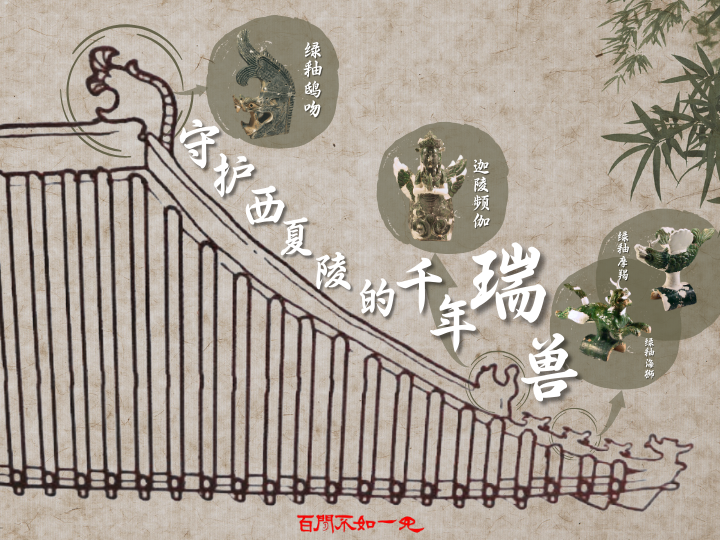
迦陵频伽

Search documents
北京日报纪事:复活一个失落的王朝,让西夏不再神秘
Bei Jing Ri Bao Ke Hu Duan· 2025-12-23 07:20
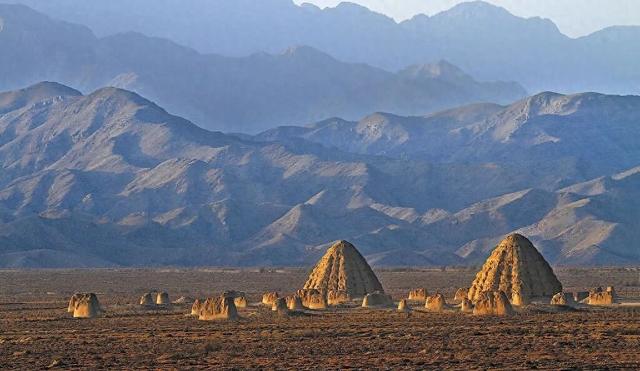
Core Viewpoint - The exhibition "Peach Blossom Stone under Helan Mountain" showcased the rich cultural heritage of the Western Xia dynasty, highlighting its significance in understanding the multi-ethnic fabric of Chinese civilization and its historical contributions [1][10][48]. Summary by Sections Exhibition Overview - The exhibition marked the first major gathering of Western Xia artifacts since the successful application for UNESCO World Heritage status, featuring 103 items, one-third of which are national first-class cultural relics [6][7]. - The artifacts included ceramics, gold and silver items, inscriptions, sculptures, and architectural components, primarily sourced from the Western Xia tombs [6][7]. Historical Context - The Western Xia dynasty, established by the Tangut people, lasted for 189 years and covered an area of 1.15 million square kilometers, yet it was largely forgotten due to its destruction by the Mongol Empire [1][11]. - The dynasty's cultural and political significance is underscored by its unique contributions to Chinese history, including the creation of its own script and the integration of various cultural elements from neighboring regions [11][36]. Cultural Artifacts - Notable artifacts include the gilded bronze cow, weighing 188 kilograms, which reflects the transition from a nomadic to an agrarian society and the adoption of Central Plains technology [7][9]. - The exhibition also featured the earliest known wooden movable type printing from the Western Xia, providing evidence of advanced printing technology predating the commonly attributed invention by Bi Sheng of the Song dynasty [9][10]. Archaeological Discoveries - The discovery of the Western Xia tombs began in 1971, leading to significant archaeological findings that have gradually revealed the dynasty's history and culture [22][23]. - The tombs exhibit a blend of architectural styles, reflecting both the influence of Central Plains culture and the unique characteristics of the Tangut people [36][37]. UNESCO Heritage Status - The Western Xia tombs were inscribed on the UNESCO World Heritage List after a 9-minute discussion at the 47th World Heritage Conference, highlighting their recognized cultural importance [50][51]. - The successful application for heritage status is seen as a culmination of years of research and preservation efforts, ensuring the legacy of the Western Xia dynasty is acknowledged and protected [51][53].

守护西夏陵的千年瑞兽
Xin Hua She· 2025-07-14 12:41
Core Viewpoint - The archaeological discoveries at the Western Xia Mausoleum, including unique architectural decorations and cultural symbols, highlight the integration of Central Plains architectural culture and the aesthetic values of the Tangut people, especially in the context of its successful UNESCO World Heritage application [1]. Group 1: Architectural Discoveries - The glazed Chiwun unearthed from the Western Xia Mausoleum is one of the largest ancient glazed Chiwun components discovered in China, showcasing a typical "dragon head and fish tail" form, representing a transitional period in its design [4]. - The Jialing Pinga, also known as the "Miaoyin Bird," reflects the influence of Buddhism and Central Plains architectural art on Western Xia, being the only type of hanging beast found at the site [7]. - The Western Xia Maijie, derived from Indian mythology, shows the evolution of the Maijie pattern in China, with its design featuring both fish and dragon characteristics [9]. Group 2: Cultural Significance - The various ridge beasts found at the Western Xia Mausoleum symbolize different meanings, expressing reverence for nature and hopes for peace and good fortune [14]. - The integration of mythological elements and architectural decoration in the ridge beasts serves as an important symbol of Western Xia architectural culture, reflecting the grandeur of the Western Xia dynasty [14].