
造型杜鹃

Search documents
全产业链转型升级!年宵花成畅销年货
Xin Lang Cai Jing· 2026-02-15 23:23
Core Insights - The Chinese New Year flower market is experiencing a consumption peak, with vibrant flower markets emerging in northern cities like Beijing, Zhengzhou, and Harbin, showcasing a rich variety of flowers and strong supply-demand dynamics [1][3]. Group 1: Market Dynamics - Beijing serves as a key consumption and distribution center, with diverse flower varieties available in major markets and online platforms, attracting significant consumer interest [3]. - In Zhengzhou, the butterfly orchid has become a leading product, with approximately 3 million units supplied during the Spring Festival, indicating a robust market activity [3][4]. - The demand for creative floral arrangements, such as the "Horse Year" themed pots in Xi'an, has seen substantial growth, reflecting cultural influences on consumer preferences [3]. Group 2: Production and Supply Chain - The flower industry is undergoing high-quality development, with advanced cultivation techniques ensuring a stable supply of high-quality flowers year-round [4]. - The production of butterfly orchids in Xi'an has reached an annual output of 3.5 million units, meeting local demand effectively [4]. - A well-established logistics system, including diverse transportation methods like air, rail, and cold chain logistics, has significantly improved the efficiency of flower distribution, particularly in northern regions [4]. Group 3: Consumer Trends - Rising living standards and changing consumption attitudes are shifting flower purchases from traditional festive occasions to everyday household consumption, making floral products a staple for enhancing life quality [5]. - The trend of "no flowers, no New Year" is becoming more widespread, indicating a cultural shift towards regular floral consumption as a means of expressing aesthetic and emotional values [5]. - The simultaneous popularity of flower markets across the country is a testament to the high-quality development of the flower industry and the resilience of the domestic consumption market [5].

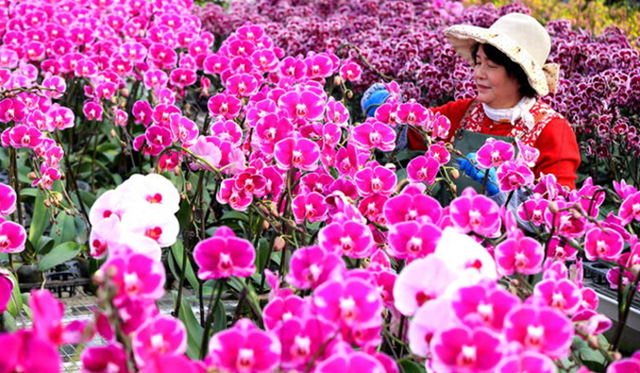
全产业链转型升级 年宵花成畅销年货
Ren Min Ri Bao· 2026-02-15 21:58
Core Insights - The Chinese New Year flower market is experiencing a consumption peak, with vibrant flower markets emerging in northern cities like Beijing, Zhengzhou, and Harbin, showcasing a rich variety of flowers and strong supply-demand dynamics [1][2] Group 1: Production - The flower industry is achieving high-quality development, with advanced cultivation techniques ensuring stable year-round supply of high-quality flowers [2] - Local cultivation of flowers previously common in southern regions is now possible in northern areas, with Xi'an producing 3.5 million orchids annually to meet local demand [2] - Innovation in product types is increasing, with new offerings like dyed orchids and colorful calla lilies catering to both traditional and modern aesthetics [2] Group 2: Logistics - The supply chain system is improving, addressing the challenges of flower availability in northern regions, with fresh flowers from Yunnan reaching Urumqi within the same day [2] - A variety of transportation methods, including air, rail, and cold chain logistics, are enhancing delivery efficiency and reducing losses, supporting balanced market development [2] Group 3: Sales - Sales channels are expanding and innovating, integrating traditional markets with e-commerce and social media platforms, effectively stimulating consumer demand [2] - The rise of online flower selection and real-time price comparison is attracting a younger consumer demographic [2] Group 4: Consumption - Rising living standards and changing consumer attitudes are shifting flower consumption from traditional festive purchases to everyday household items [3] - Flowers are increasingly seen as essential for creating festive atmospheres and enhancing quality of life, transforming from optional purchases to popular seasonal goods [3] - The simultaneous popularity of flower markets across the country reflects the high-quality development of the flower industry and the resilience of the domestic consumption market [3]