酒店积分

Search documents
深扒酒店积分黑产:暴利暗流下的“猫鼠游戏”
3 6 Ke· 2025-12-15 04:03
Core Viewpoint - The hotel loyalty points black market is challenging industry standards, with many individuals sharing accounts for point accumulation, leading to a gray market for hotel points and memberships [1][7][18]. Group 1: Gray Market Dynamics - Numerous individuals are purchasing hotel points from platforms like Xiaohongshu, often resulting in financial losses due to the inability to provide identity information for large point transfers [2][15]. - A gray industry chain has emerged, with participants including professional "room brushing" groups, point resellers, and even hotel employees [11][12]. - The secondary market for hotel points and memberships has become a business, with transactions being openly priced on platforms like Xianyu [10][19]. Group 2: Hotel Membership Policies - Major hotel chains like Marriott and Hilton have specific policies for point transfers, allowing limited transfers under certain conditions, which are now exploited in the gray market [8][9]. - Marriott allows members to transfer up to 100,000 points to other members, while Hilton has similar policies with a maximum of 500,000 points received per year [8]. - The original intent of these loyalty programs, which was to enhance customer loyalty, is being undermined by the commercialization of point transfers [7][19]. Group 3: Consumer Behavior and Risks - Consumers are increasingly tempted by low-priced points and are taking risks by engaging in transactions on secondary markets, leading to account freezes and potential financial losses [13][15]. - The allure of significant savings, such as using points for stays that would otherwise cost thousands of dollars, drives the demand for point purchases [20]. - The ongoing transactions create a cat-and-mouse game between consumers and hotel chains, with increased scrutiny and account audits leading to account suspensions for those engaging in suspicious activities [24][29]. Group 4: Impact on Hotel Industry - The rise of "water members" (members who acquire points through non-standard means) is causing hotel chains to tighten their membership benefits, which may inadvertently affect genuine members [30][36]. - As hotel groups face pressure to maintain profitability, they are raising the point redemption thresholds and reducing benefits, which could alienate loyal customers [30][39]. - The homogenization of membership benefits across hotel chains is leading to a lack of differentiation, making it harder to retain high-value members [47][48]. Group 5: Conclusion on Market Dynamics - The gray market for hotel points represents a complex interplay of consumer behavior, corporate policy, and market dynamics, where both consumers and hotel chains face significant risks [49][50]. - Ultimately, the exploitation of loyalty programs for profit is creating a challenging environment for both consumers seeking value and hotel chains aiming to protect their revenue streams [51][52].



买来的里程积分能正常用吗?二手平台积分交易藏猫腻
Yang Shi Wang· 2025-12-02 15:26
Core Viewpoint - The article discusses the growing trend of buying and selling loyalty points for travel services, highlighting the limitations and risks associated with such transactions, particularly regarding the transferability of points and the potential for consumer loss [1][6][10]. Group 1: Loyalty Points Transferability - Railway loyalty points cannot be transferred but can be used by adding a beneficiary, which requires a two-month approval period [3][5]. - Airline loyalty points have similar restrictions, allowing members to add beneficiaries but not delete them once added [5]. Group 2: Consumer Experiences and Risks - A consumer, Mr. Zhang, faced issues after purchasing hotel loyalty points, as the hotel did not recognize the transfer and required identity verification, leading to his account being frozen [8][10]. - Many consumers report problems with redeeming purchased points, indicating a lack of clarity and potential deception in the marketplace [11]. Group 3: Industry Insights and Recommendations - Industry experts warn that consumers may struggle to verify the legitimacy of point transactions on second-hand platforms, often lured by prices significantly below market value [11]. - There is a risk of personal information leakage during the point transfer process, prompting calls for stricter regulations and consumer protection measures [13].

这几年,酒店会员积分为什么越来越水了?
Hu Xiu· 2025-06-23 00:14
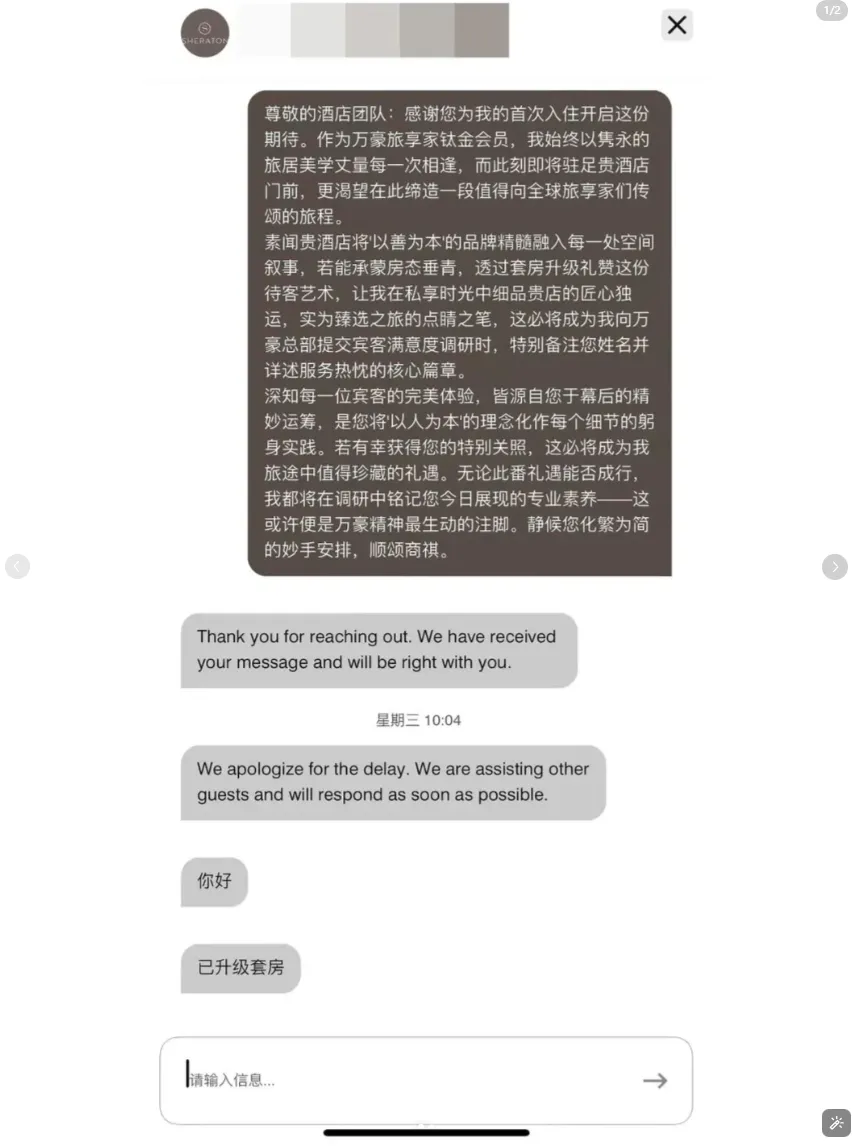
Core Insights - The loyalty programs of high-end hotel groups are increasingly perceived as devalued, with members feeling less valued despite their status [10][26][27] - Major hotel chains are reducing benefits for high-tier members, leading to a sense of frustration and disappointment among loyal customers [12][14][19] Group 1: Membership Experience - A recent incident highlighted the lengths to which a Marriott Titanium member went to request an upgrade, illustrating the desperation felt by members [2][3] - The response from hotel staff was indifferent, indicating that the emotional appeal of such requests is no longer effective [9] - The overall experience for high-tier members has shifted from being treated as valued guests to feeling like they are begging for benefits [11][25] Group 2: Benefit Reductions - Marriott has announced the permanent closure of executive lounges, significantly reducing the services available to Platinum members [12][13] - Other hotel chains, such as St. Regis and Hyatt, are also increasing the points required for room upgrades and benefits, indicating a broader trend of devaluation across the industry [15][18][20] - The perception of loyalty points has shifted from being a valuable asset to being seen as "funny money" that is increasingly difficult to redeem [22][39] Group 3: Economic Pressures - The hotel industry is facing economic challenges, leading to a focus on profitability over customer loyalty, resulting in reduced services and benefits [40][42] - The influx of new members through aggressive marketing strategies has led to overcrowding in loyalty programs, further straining resources and service quality [32][33] - The shift towards cost-cutting measures is evident in the cancellation of complimentary services and the increase in points required for rewards [43][44] Group 4: Technological Changes - The introduction of AI systems to manage room upgrades is a significant shift in how hotels interact with high-tier members, moving away from personal service to algorithm-driven decisions [48][50] - This change is seen as a way for hotels to manage the overwhelming number of loyalty members without the emotional engagement previously offered [58][61] - The reliance on data-driven systems may lead to a more impersonal experience for guests, as human judgment is replaced by algorithms [56][59]