醪糟冰汤圆

Search documents
上海首店翻台率破10、排队15小时,反内卷的烤匠为何创造奇迹
Di Yi Cai Jing Zi Xun· 2026-02-06 00:49
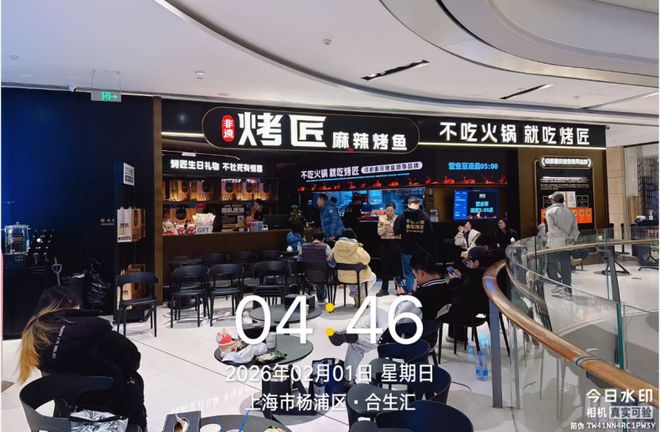
Core Insights - The opening of the first Shanghai store of Kuaijiang, a popular spicy fish restaurant, reflects a significant transformation in contemporary consumer society, as evidenced by long queues and high customer engagement [1][3][5] Industry Overview - The Chinese restaurant industry is experiencing a paradox of growth and high closure rates, with a projected closure rate of 48.9% by 2025, indicating that one in two restaurants may face shutdown [5][6] - Despite the overall market growth, the restaurant sector is seeing a significant brand elimination, with a reported 3.2% year-on-year increase in national restaurant revenue, amounting to 605.7 billion yuan in November 2025 [5][6] Company Performance - Kuaijiang has opened 77 stores since its inception in 2013, becoming a well-known brand in the Sichuan region, with a strong reputation for its spicy fish dishes [6][10] - The restaurant has achieved remarkable queue lengths, with over 6,300 tables registered on the opening day in Shanghai and wait times reaching up to 15 hours [3][10] - Kuaijiang's average table turnover rate is significantly higher than industry standards, with rates of 10.07 in Beijing and 11.83 in Shanghai, far exceeding the average of 2-3 for typical brands [9][10] Consumer Engagement - The brand has a high customer retention rate, with a 22.33% overall repurchase rate in 2025, indicating strong customer loyalty [10][22] - Kuaijiang has successfully created a unique dining experience, including personalized birthday services and a cozy atmosphere, which resonates well with younger consumers [20][22][23] Strategic Insights - Kuaijiang's approach emphasizes quality over price competition, avoiding promotional pricing strategies that are common in the industry, thus establishing a strong market position [25][26] - The brand's focus on emotional connection and high-value experiences aligns with changing consumer expectations, suggesting a shift in the market towards brands that can deliver meaningful engagement [25][26]